OG source unknown
Meta Title: Burning Off Alcohol Vapours in Empty Bottles: Safety Risks & Practical Advice
Meta Description: Learn the science, dangers, and safer alternatives for handling alcohol vapours in empty bottles. Crucial safety guide for DIYers and professionals.
Burning Off Alcohol Vapours in Empty Bottles: Safety Risks & Safer Alternatives
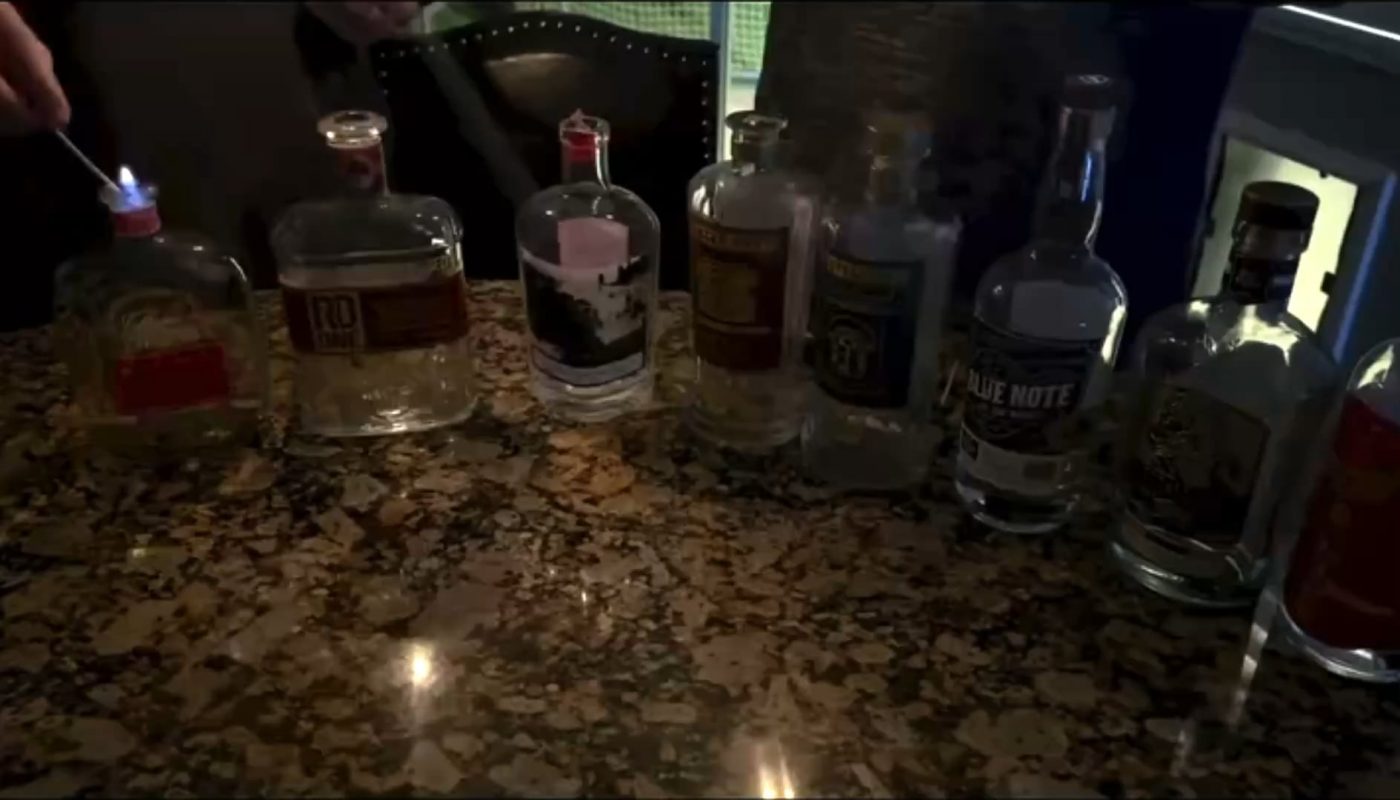
Empty alcohol bottles often retain trace amounts of flammable vapours long after the liquid is gone. While some DIY projects or industrial processes might suggest burning off these residual vapors, this practice carries significant risks. In this guide, we’ll break down the science behind alcohol vapors, the dangers of ignition, and safer methods for handling or repurposing empty bottles.
Why Alcohol Vapors Are Dangerous
The Science of Flammability
Alcohols like ethanol, methanol, and isopropyl evaporate quickly, leaving behind invisible vapors that mix with air. These vapors are highly flammable at concentrations as low as 3%–19% in the air (depending on the alcohol type), making them susceptible to ignition from:
- Open flames (lighters, matches, stoves)
- Sparks (electrical tools, static electricity)
- Hot surfaces
Even a small spark near the bottle’s opening can trigger a flare-up or explosion if oxygen and vapor concentrations align.
The “Empty” Bottle Myth
An “empty” bottle isn’t truly empty. Residual droplets or vapor pockets cling to the interior, especially if the bottle was recently used. Pouring out liquid doesn’t eliminate these hazards—alcohol’s low boiling point means vapors persist at room temperature.
Risks of Burning Off Alcohol Vapors
-
Flashback Explosions
Igniting vapors at the bottle’s mouth can create a flame that travels into the bottle, triggering a sudden pressure surge. Glass bottles may rupture, sending shrapnel flying. -
Uncontrolled Flames
Residual vapors can ignite unpredictably, causing burns or spreading fire to nearby materials. -
Toxic Fumes
Burning alcohol releases carbon monoxide and formaldehyde (especially from methanol), posing inhalation risks in enclosed spaces. -
Material Damage
High heat can weaken glass, leading to cracks or breaks even after the flame is extinguished.
Safer Alternatives to Burning Off Vapors
1. Natural Evaporation (Passive Ventilation)
- How: Leave bottles uncapped outdoors or in a well-ventilated area for 24–48 hours.
- Why it works: Alcohol vapors dissipate safely into the atmosphere.
- Tip: Store bottles upright away from heat sources or ignition risks.
2. Rinsing with Water
- How: Fill the bottle halfway with water, shake vigorously, and drain. Repeat 2–3 times.
- Why it works: Dilutes alcohol residues, reducing vapor concentration.
3. Commercial Alcohol Neutralizers
- Products: Use industry-grade neutralizers (e.g., Safety-Kleen’s absorbents) to dissolve residues.
- Best for: Large-scale operations like breweries or labs.
4. Professional Disposal
- When: For bulk bottles or industrial containers, hire hazardous waste services to handle flammable remnants safely.
If You Must Burn Off Vapors: Extreme Precautions
While not recommended, some scenarios (e.g., controlled industrial processes) require vapor burning. If proceeding:
- Work Outdoors: Ensure open space with no combustible materials nearby.
- Use a Ignition Stick: Light a long match or taper to keep hands away from the bottle mouth.
- Wear PPE: Heat-resistant gloves, goggles, and fire-retardant clothing.
- Never Inhale Fumes: Stand upwind to avoid smoke exposure.
- Start Small: Test with tiny amounts of low-concentration alcohol (e.g., wine vs. vodka).
Absolute Deal-Breakers:
- Never burn vapors in plastic bottles (they melt or release toxins).
- Avoid enclosed spaces—even garages or sheds.
- Do not use hairspray, gasoline, or other accelerants.
Practical Uses for Empty Alcohol Bottles
Instead of risking combustion, repurpose bottles safely:
- DIY Crafts: Create lamps, vases, or storage containers.
- Recycling: Glass is 100% recyclable—rinse and send to facilities.
- Distilleries/Bars: Return bottles for professional sterilization and reuse.
FAQs
Q: How long do alcohol vapors stay in a bottle?
A: Vapors can linger for weeks if sealed. Ventilation reduces this to hours.
Q: Does freezing neutralize alcohol vapors?
A: No—cold slows evaporation but doesn’t eliminate flammability.
Q: Can I use soapy water to clean bottles?
A: Yes! Detergent breaks down alcohol residues effectively.
Key Takeaways
- Never casually ignite alcohol vapors in bottles—risks outweigh benefits.
- Opt for passive evaporation, rinsing, or professional disposal.
- Always prioritize ventilation and PPE if handling flammable residues.
By understanding the science and respecting alcohol’s volatility, you can avoid accidents and repurpose bottles responsibly. Share this guide to spread safety awareness!
Optimized Keywords: alcohol vapor safety, flammable bottle hazards, burning alcohol vapors, empty bottle disposal, DIY bottle crafts, alcohol vapor explosion, safe handling of alcohol residues.
Internal Links: [How to Clean Glass Bottles for Crafts] | [Hazardous Waste Disposal Guide]