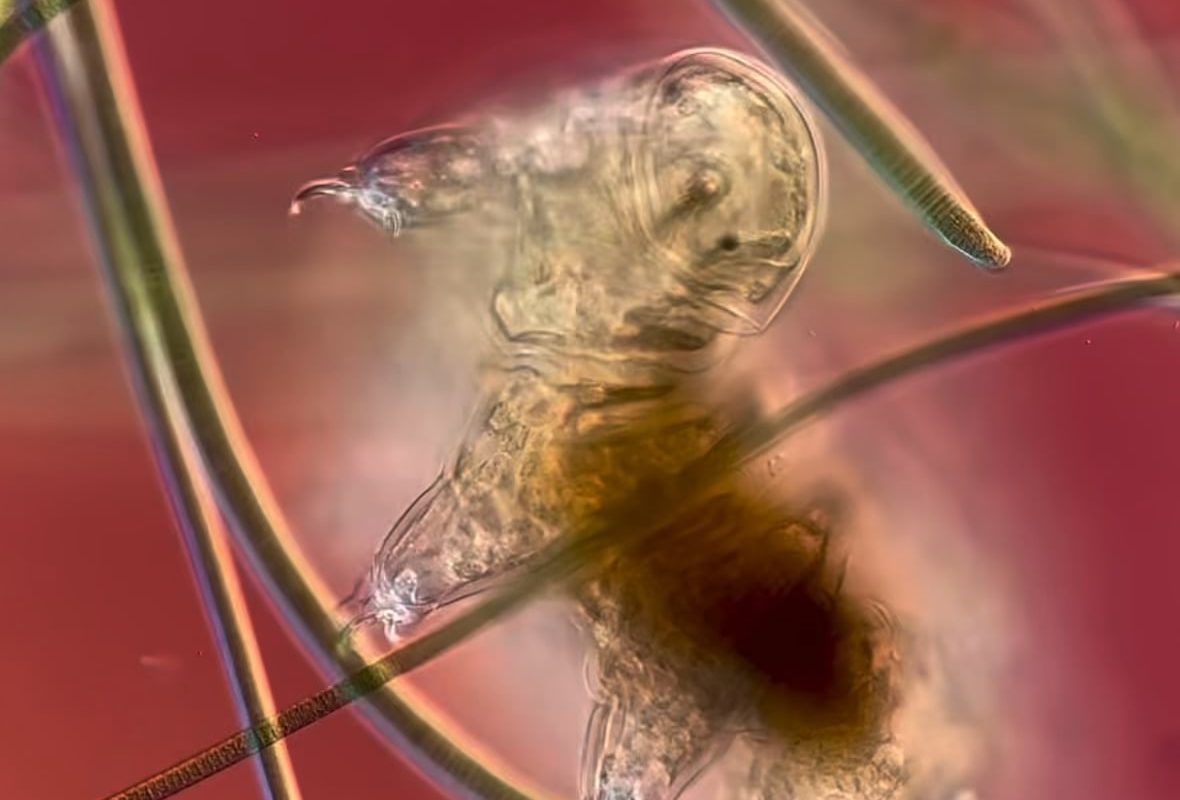
A microscopic view of a tardigrade
Imagine being able to survive in some of the most extreme environments on Earth, from the freezing cold to the scorching hot, and even in the vacuum of space. Sounds like something out of a science fiction movie, right? Well, meet the tardigrade, also known as the water bear, a microscopic creature that’s been fascinating scientists and the general public alike for centuries. These tiny animals are found all over the world, in water environments ranging from freshwater lakes and rivers to saltwater oceans, and even in damp terrestrial habitats like moss and lichens. But what makes them so special, and how do they manage to thrive in conditions that would be lethal to most other living creatures?
The Tardigrade’s Unique Physiology
The tardigrade’s ability to survive in extreme conditions is due to its unique physiology. It has a plump, rounded body that’s typically around 0.1 to 1.5 millimeters in length, and it’s covered in a tough, flexible cuticle that helps to protect it from the outside environment. But the key to its survival lies in its ability to enter a state of dormancy called cryptobiosis, in which it becomes desiccated and its metabolic processes come to a near-halt. This allows the tardigrade to withstand extreme temperatures, radiation, and even the lack of water, making it one of the most resilient creatures on the planet. Scientists are still trying to understand the full extent of the tardigrade’s physiological capabilities, but it’s clear that its unique biology has evolved to enable it to thrive in a wide range of environments.
The Science Behind Tardigrade Research
Researchers have been studying tardigrades for decades, and recent advances in technology have allowed us to take a closer look at these incredible creatures. Using techniques like electron microscopy and DNA sequencing, scientists have been able to study the tardigrade’s anatomy and genetics in unprecedented detail. This has led to some remarkable discoveries, including the fact that tardigrades have a unique genetic makeup that allows them to withstand extreme conditions. For example, they have genes that help to protect their DNA from damage caused by radiation, and they’re able to repair damaged DNA more efficiently than other animals. This research has not only helped us to better understand the biology of tardigrades, but it’s also led to potential applications in fields like medicine and biotechnology.
Implications and Future Directions
So what does the future hold for tardigrade research? As scientists continue to study these incredible creatures, we may uncover even more secrets about their biology and physiology. This could lead to breakthroughs in fields like medicine, where the tardigrade’s unique genetic makeup could be used to develop new treatments for diseases. It could also lead to advances in biotechnology, where the tardigrade’s ability to withstand extreme conditions could be used to develop new technologies for space exploration and other applications. Whatever the future holds, it’s clear that the tardigrade is a fascinating creature that continues to capture the imagination of scientists and the general public alike.
As we continue to explore the microscopic world of the tardigrade, we’re reminded of the incredible diversity and complexity of life on Earth. These tiny creatures may be small, but they’re having a big impact on our understanding of the natural world, and they’re inspiring new generations of scientists and researchers to explore the wonders of the microscopic universe. Who knows what other secrets the tardigrade holds, and what other discoveries await us as we continue to study these incredible animals? One thing’s for sure – the tardigrade is a true marvel of nature, and it’s an honor to be able to learn from and appreciate these amazing creatures.