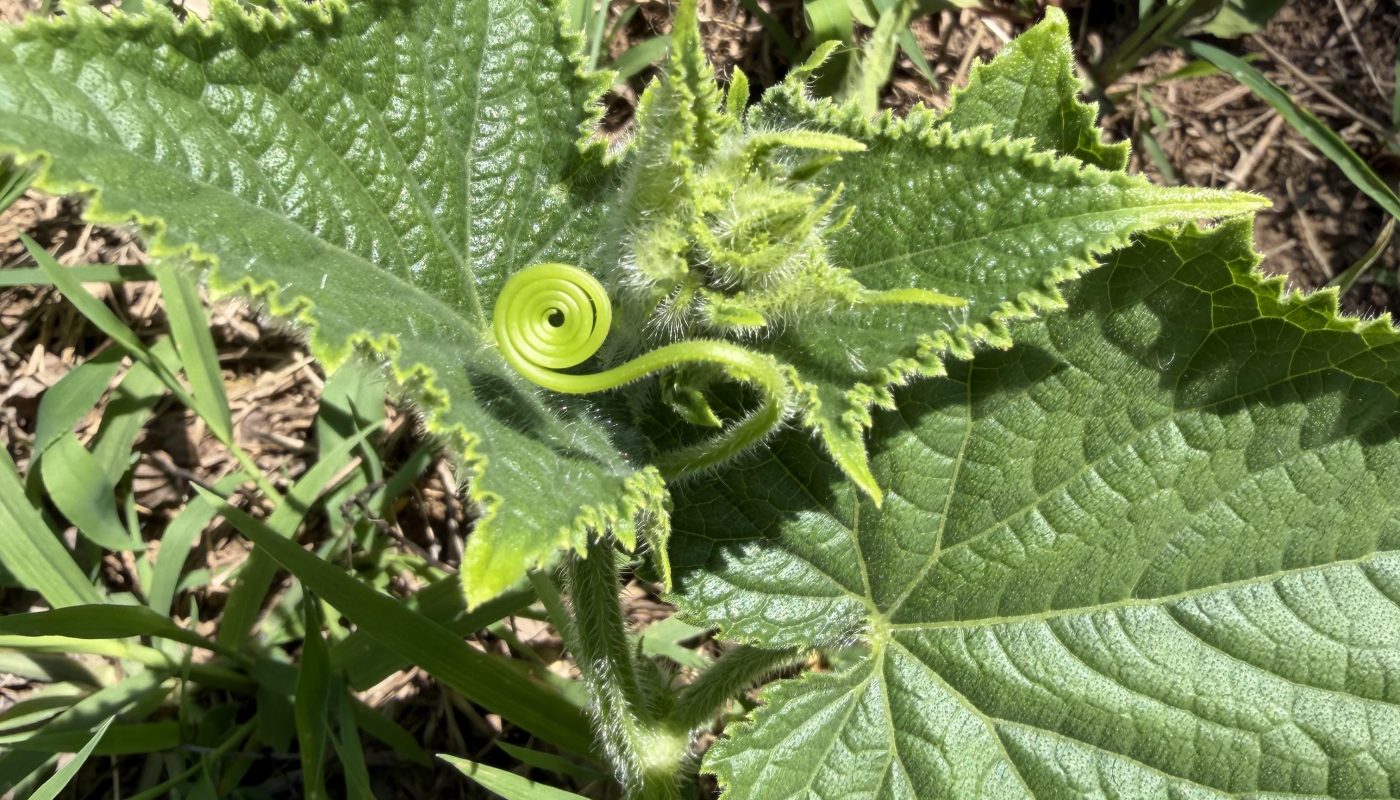
A perfect little tendril on my cucumber plant!
As I stepped out into my garden this morning, I couldn’t help but notice a tiny, perfect little tendril on my cucumber plant. It was curled up and delicate, like a miniature green finger reaching out to grab onto something. I felt a surge of excitement and curiosity – how does this tiny tendril know exactly what to do? How does it grow and develop with such precision and purpose? As I gazed at this tiny marvel, I found myself wondering about the fascinating world of plant growth and development, and the incredible mechanisms that allow plants like my cucumber to thrive.
The Science of Tendrils
As it turns out, tendrils like the one on my cucumber plant are a type of modified stem that has evolved to help plants climb and support themselves. They are incredibly sensitive to touch and can detect even the slightest changes in their environment, allowing them to wrap themselves around nearby objects and hold tight. But what’s really amazing is the way that tendrils grow and develop – they are able to twist and turn in response to the objects around them, using a combination of cell growth and hormone signals to guide their movement. It’s a truly remarkable example of the complex and highly coordinated processes that occur in the natural world.
The Secret Life of Plants
As I delved deeper into the world of plant growth and development, I began to realize just how much is going on beneath the surface of my garden. Plants like my cucumber are constantly responding to their environment, using a complex network of sensors and signals to navigate and adapt to the world around them. From the way that roots grow and branch out in search of water and nutrients, to the way that leaves and stems respond to light and temperature, every aspect of a plant’s growth and development is guided by a intricate web of hormonal and environmental cues. It’s a truly fascinating world, and one that is still not fully understood – but as I gaze at my tiny tendril, I am filled with a sense of wonder and awe at the incredible complexity and beauty of the natural world.
A Sense of Connection
As I stood there in my garden, watching my tiny tendril curl and uncurl in the morning breeze, I felt a sense of connection to the natural world that I don’t often experience. It was as if, in that moment, I was a part of something much larger than myself – a world of growth and development, of adaptation and response, that is always unfolding and evolving. And as I looked at my cucumber plant, I realized that this sense of connection is not just limited to the garden – it’s a reminder that we are all a part of the natural world, and that our lives are intimately tied to the lives of the plants and animals that surround us. As I headed back inside, I felt grateful for this tiny tendril, and the sense of wonder and connection that it had inspired in me.
As I sit here now, reflecting on my encounter with the tiny tendril, I am filled with a sense of appreciation for the intricate and fascinating world of plant growth and development. It’s a reminder that even in the smallest and most mundane things, there is often a depth and complexity that is waiting to be discovered – and that the natural world is full of wonders and marvels, if we only take the time to look.