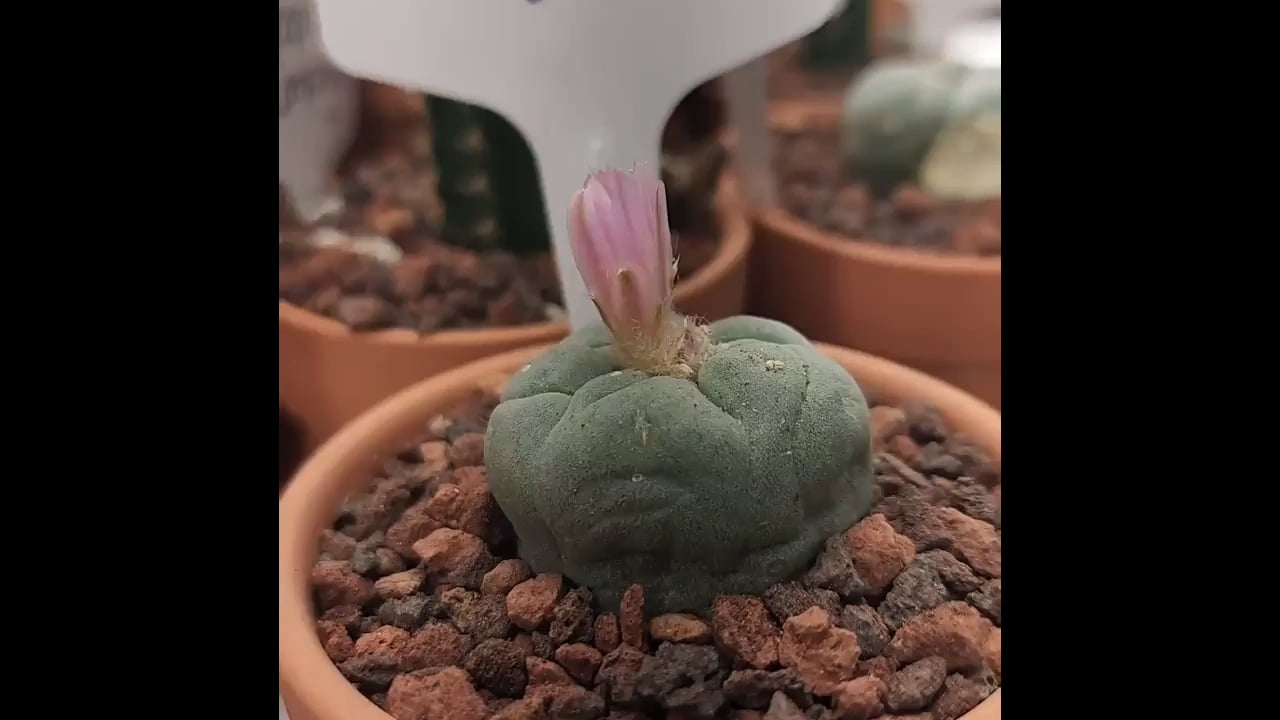
A time-lapse of a Peyote cactus (Lophophora williamsii) blooming. The plant can take up to 10 years of slow growth before producing its first flower.
As I sat in front of my computer, I stumbled upon a mesmerizing time-lapse video that left me utterly fascinated – a Peyote cactus, also known as Lophophora williamsii, slowly blooming into a beautiful flower. What struck me was the incredible patience required to witness this phenomenon, as the plant can take up to 10 years of slow growth before producing its first flower. I couldn’t help but wonder, what makes this cactus so unique, and what’s behind its remarkable blooming process?
The Journey to Blooming
The Peyote cactus is native to the southwestern United States and northern Mexico, and it’s known for its small, globular shape and delicate pink flowers. But what’s truly remarkable about this plant is its slow growth rate, which can take up to a decade before it reaches maturity and produces its first flower. During this time, the cactus develops a deep root system, allowing it to store water and nutrients, which eventually enables it to produce a flower. The time-lapse video I watched showed the cactus slowly forming a bud, which gradually opened up into a beautiful pink flower, revealing its delicate petals and intricate details.
Scientific Significance
From a scientific perspective, the Peyote cactus is also noteworthy for its unique properties and characteristics. The plant contains a range of psychoactive compounds, including mescaline, which has been used in traditional medicine and spiritual practices for centuries. Researchers have also been studying the cactus’s ability to thrive in harsh environments, with limited water and nutrients, which has led to a greater understanding of its adaptations and survival mechanisms. The slow growth rate of the Peyote cactus also raises interesting questions about the evolution of plant life, and how certain species have developed unique strategies to survive and reproduce in challenging environments.
Cultural and Historical Context
The Peyote cactus has also played a significant role in the cultural and spiritual practices of indigenous communities in North America. The plant has been used in traditional ceremonies and rituals, and is considered a sacred medicine by many Native American tribes. The cactus’s unique properties and slow growth rate have also led to a range of folklore and myths surrounding its use and significance. As I watched the time-lapse video, I couldn’t help but feel a sense of respect and admiration for this incredible plant, and the rich cultural and historical context that surrounds it.
As I finished watching the time-lapse video, I felt a sense of awe and wonder at the incredible journey of the Peyote cactus, from its slow growth to its beautiful blooming flower. The plant’s unique properties, cultural significance, and fascinating backstory have left me with a newfound appreciation for the natural world, and the incredible diversity of plant life that surrounds us. Whether you’re a botanist, a scientist, or simply a curious observer, the Peyote cactus is a true marvel of nature, and a reminder of the beauty and complexity of the world around us.