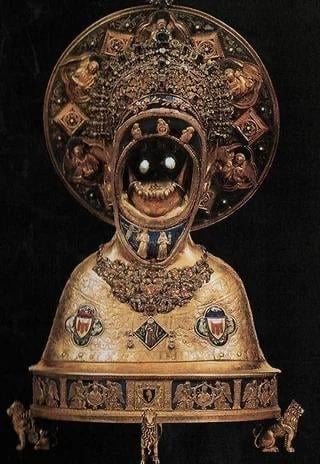
Alleged Jawbone of Saint Antony
As I delved into the fascinating world of relics, I stumbled upon a story that left me utterly intrigued – the alleged jawbone of Saint Antony, a relic that has been making waves in the religious and scientific communities for centuries. The story of this jawbone is a complex tapestry of faith, history, and science, woven together by threads of mystery and intrigue. From the moment I heard about it, I was hooked – I just had to learn more about this enigmatic relic and the captivating tale that surrounds it.
The Life and Legacy of Saint Antony
Saint Antony, also known as Anthony of Padua, was a Portuguese Catholic priest and friar who lived in the 13th century. He was born in Lisbon in 1195 and died in Padua, Italy, in 1231. Saint Antony was known for his incredible preaching skills, his ability to perform miracles, and his unwavering dedication to his faith. He was canonized as a saint just one year after his death, a testament to the profound impact he had on the people around him. The alleged jawbone of Saint Antony is said to be a fragment of his actual jaw, which was removed from his tomb and has been preserved for centuries as a relic.
Science and Skepticism
While the story of the alleged jawbone of Saint Antony is certainly captivating, it’s also important to approach it with a healthy dose of skepticism. From a scientific perspective, it’s difficult to verify the authenticity of the relic, as it’s impossible to conduct DNA tests or other forms of analysis that could prove its origins. However, the jawbone has been extensively studied and examined by experts, who have confirmed that it does appear to be a human jawbone from the 13th century. Despite this, many scientists remain skeptical, arguing that the relic could be a clever forgery or a misidentified fragment of bone.
A Symbol of Faith and Devotion
Regardless of its scientific authenticity, the alleged jawbone of Saint Antony remains a powerful symbol of faith and devotion for millions of people around the world. For those who believe in its authenticity, the relic is a tangible connection to the saint and his teachings, a reminder of the power of faith and the importance of living a virtuous life. Even for those who are skeptical, the jawbone remains a fascinating artifact that offers a glimpse into the history and culture of the Catholic Church. As I continued to learn more about the alleged jawbone of Saint Antony, I found myself drawn into a world of wonder and awe, a world where faith and science collide in unexpected and fascinating ways.
As I reflect on the story of the alleged jawbone of Saint Antony, I’m struck by the enduring power of faith and the human desire to connect with something greater than ourselves. Whether or not the relic is “authentic” is almost beside the point – what matters is the sense of wonder, curiosity, and devotion that it inspires in people. As we continue to explore the mysteries of the past and the complexities of the human experience, relics like the alleged jawbone of Saint Antony remind us of the magic and mystery that lies just beneath the surface of our everyday lives, waiting to be discovered and explored.