Antelope surviving strategy
Have you ever wondered how antelopes manage to thrive in the harsh and unpredictable environments of the savannas and grasslands? These incredible creatures have evolved a range of remarkable strategies to survive and even flourish in the face of predators, drought, and other challenges. From their impressive running abilities to their clever social behaviors, antelopes are truly one of the most fascinating and resilient animals in the wild. As we delve into the world of antelopes, we’ll discover the secrets behind their remarkable survival skills and explore the intricate web of adaptations that have allowed them to thrive for centuries.
Speed and Agility
One of the most striking features of antelopes is their incredible speed and agility. With the ability to reach speeds of up to 60 miles per hour, antelopes can outrun many of their predators, including lions, leopards, and cheetahs. But speed is just one part of the equation – antelopes are also incredibly agile, able to make sharp turns and quick changes in direction to evade capture. This unique combination of speed and agility allows antelopes to exploit the open spaces of the savannas and grasslands, where their predators are often at a disadvantage. Whether they’re sprinting across the plains or dodging through thickets of thorns, antelopes are truly masters of evasion and escape.
Social Behavior and Cooperation
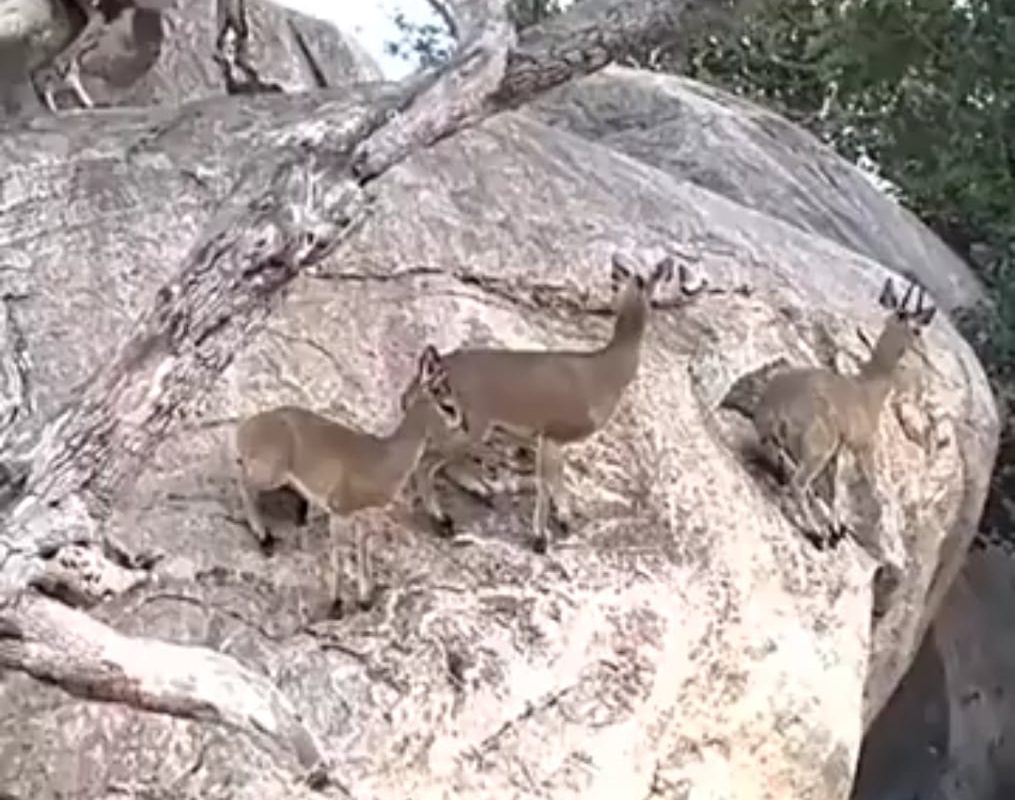
Antelopes are also highly social creatures, often living in large groups with complex hierarchies and relationships. By working together and cooperating with each other, antelopes are able to achieve a range of benefits, from improved foraging and predator avoidance to enhanced mating and breeding opportunities. For example, some species of antelope have been observed engaging in “vigilance behavior,” where individual animals take turns keeping watch for predators while the rest of the group grazes or rests. This cooperative behavior allows antelopes to minimize their risk of predation while maximizing their access to food and other resources. By leveraging their social connections and working together, antelopes are able to build strong, resilient communities that can withstand even the toughest challenges.
Adaptation and Evolution
Perhaps the most remarkable aspect of antelope survival strategy, however, is their ability to adapt and evolve in response to changing environments and circumstances. Over time, antelopes have developed a range of specialized traits and characteristics, from their distinctive horns and coat patterns to their unique digestive systems and hoof structures. These adaptations have allowed antelopes to exploit new resources and habitats, from the lush grasslands of Africa to the arid deserts of Asia. Whether they’re migrating to new areas in search of food or water, or developing new strategies to cope with predators and competitors, antelopes are constantly evolving and adapting to their environments. This incredible flexibility and resilience has allowed antelopes to thrive in even the most challenging and unpredictable ecosystems.
As we marvel at the remarkable survival strategies of antelopes, we’re reminded of the incredible diversity and complexity of life on Earth. From the savannas and grasslands to the forests and deserts, each ecosystem is home to a unique array of plants and animals, each with their own remarkable adaptations and survival strategies. By exploring the fascinating world of antelopes, we gain a deeper appreciation for the intricate web of relationships and interactions that shape our planet, and a renewed sense of wonder and awe at the incredible beauty and diversity of the natural world.