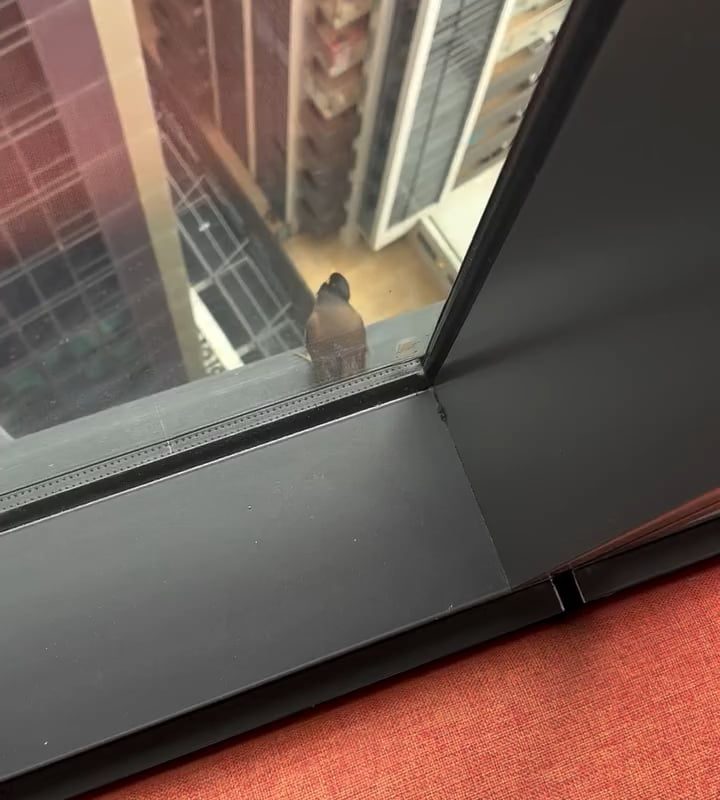
Bird takes off in style
As I stood there, mesmerized by the sight before me, I couldn’t help but think that this was what freedom looked like – a bird taking to the skies with effortless ease, its wings beating rapidly as it soared into the distance. It was a moment that left me breathless, and I found myself wondering what it was about birds that made them such masters of flight. From the tiniest hummingbird to the majestic eagle, each species has evolved unique characteristics that enable it to take off in style, and it’s a fascinating story that’s full of intriguing science and surprising facts.
The Art of Takeoff
Birds have a number of physical adaptations that make takeoff possible, including powerful leg muscles, hollow bones, and of course, those incredible wings. But it’s not just about the physical attributes – the science behind bird flight is equally fascinating. You see, when a bird takes off, it uses a combination of lift and thrust to generate the upward motion needed to leave the ground. Lift is created by the shape of the wing, which is curved on top and flat on the bottom, while thrust is generated by the bird’s wingbeats, which push air downwards and create an equal and opposite reaction. It’s a delicate balance of forces, and one that birds have perfected over millions of years of evolution.
Wing Structure and Flight Patterns
But what’s really interesting is the way that different bird species have evolved unique wing structures and flight patterns to suit their specific needs. For example, birds of prey like hawks and eagles have broad, rounded wings that allow them to soar for long periods of time, while smaller birds like sparrows and finches have narrower, more pointed wings that enable them to dart and weave through dense vegetation. And then there are the birds that migrate, like the arctic tern, which makes an annual journey of thousands of miles, using a combination of wind currents and thermal updrafts to aid its flight. It’s an incredible feat of endurance, and one that’s still not fully understood by scientists.
Conservation Efforts and the Future of Bird Flight
Unfortunately, many bird species are facing threats to their survival, from habitat destruction and climate change to hunting and pollution. As a result, conservation efforts are underway to protect these amazing creatures and their habitats. From bird sanctuaries and nature reserves to research programs and education initiatives, there are many ways that we can help to preserve the beauty and wonder of bird flight. And it’s not just about the birds themselves – by protecting their habitats and ecosystems, we’re also helping to preserve the health of our planet, and all the incredible creatures that call it home.
As I watched that bird disappear into the distance, I felt a sense of awe and wonder at the incredible beauty and complexity of the natural world. The way that birds take off in style, using their powerful wings and agile bodies to soar through the skies, is a truly remarkable sight, and one that never fails to leave me feeling inspired and uplifted. Whether you’re a seasoned birdwatcher or just someone who appreciates the simple joys of nature, the world of birds is a fascinating place to explore, and one that’s full of surprises and delights.