Concrete
Concrete is all around us, from the foundation of our homes to the roads we drive on, and yet it’s one of those things we rarely stop to think about. But have you ever wondered how this ubiquitous material came to be? The history of concrete is a fascinating story that spans thousands of years, with ancient civilizations like the Egyptians and Romans using early forms of concrete to build some of the most impressive structures the world has ever seen. As it turns out, the key to concrete’s incredible strength and durability lies in its unique composition, which is made up of a mixture of cement, water, and aggregate materials like sand and gravel.
The Ancient Roots of Concrete
One of the most remarkable things about concrete is its long and storied past. The ancient Romans, in particular, were masters of concrete construction, using a mixture of lime, water, and volcanic ash to build everything from temples and amphitheaters to roads and aqueducts. Their concrete was so durable, in fact, that many of these structures still stand today, a testament to the ingenuity and skill of the Roman engineers. But the Romans weren’t the only ones to use concrete – the Egyptians, too, used a form of concrete to build their famous pyramids, and even the ancient Greeks and Chinese used similar materials in their construction projects.
The Science Behind Concrete
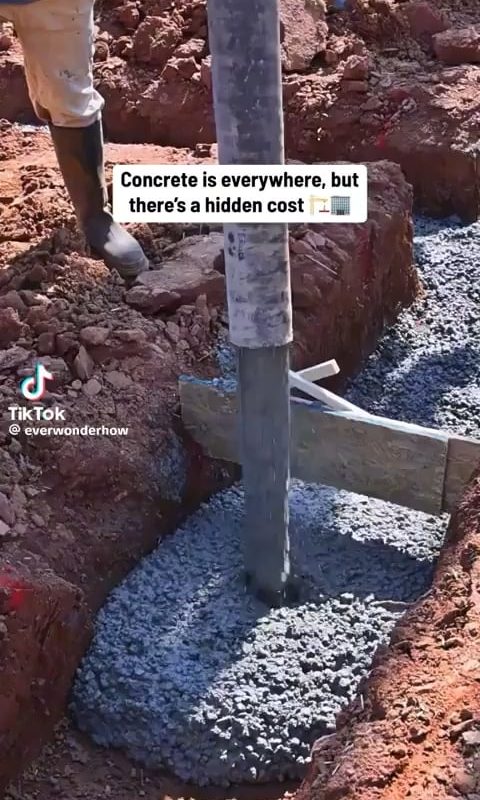
So what makes concrete so strong and durable? The answer lies in the chemical reaction that occurs when cement, water, and aggregate materials are mixed together. When cement is added to water, it forms a paste that binds the aggregate materials together, creating a solid and rigid structure. But that’s not all – the cement itself is made up of a mixture of limestone, clay, and other minerals, which are heated to high temperatures to produce a hard, glassy material. This process, known as calcination, is what gives concrete its incredible strength and resistance to weathering and erosion. And with the addition of modern admixtures and additives, concrete can be tailored to meet specific needs and applications, from high-strength concrete for skyscrapers and bridges to specialized concrete for countertops and decorative surfaces.
Concrete in the Modern World
Today, concrete is used in a staggering array of applications, from construction and infrastructure to art and design. With its unique combination of strength, durability, and versatility, concrete has become an essential material in modern building and engineering. And yet, despite its ubiquity, concrete remains a fascinating and dynamic material, with researchers and engineers continually pushing the boundaries of what is possible. From sustainable concrete made with recycled materials to advanced concrete composites with enhanced strength and performance, the future of concrete is looking brighter than ever. As we look to the future and the challenges that lie ahead, it’s clear that concrete will play a vital role in shaping the world around us.
As we go about our daily lives, it’s easy to take concrete for granted – but the next time you drive on a concrete road or walk on a concrete sidewalk, take a moment to appreciate the incredible history, science, and engineering that has gone into creating this remarkable material. From ancient civilizations to modern marvels, concrete has come a long way – and its story is still being written. Whether you’re an engineer, an architect, or simply someone who appreciates the beauty and functionality of concrete, there’s no denying the impact this material has had on our world – and will continue to have for generations to come.