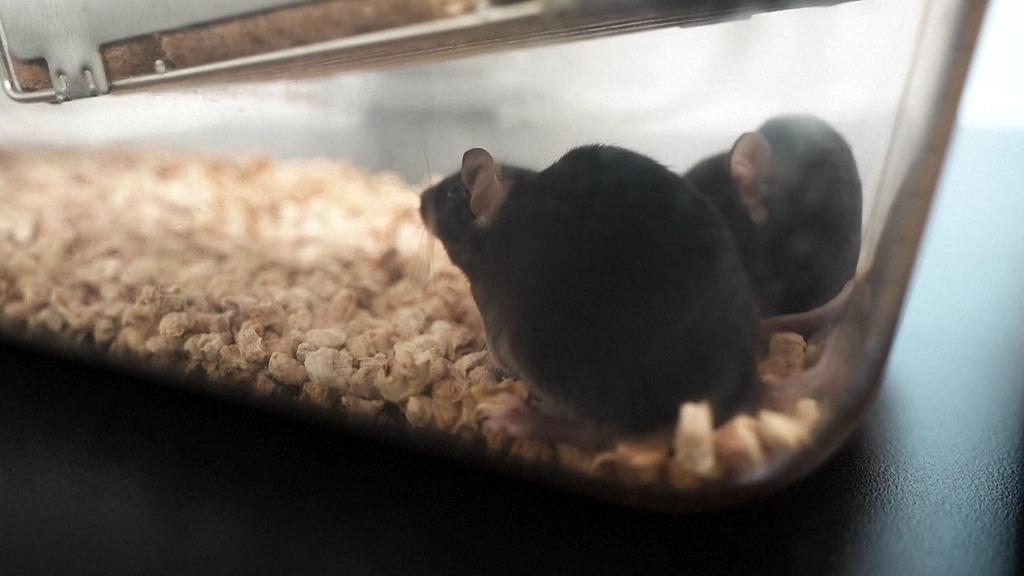
Despite 60+ years of spaceflight, no mammal has ever completed an entire pregnancy, birth, and healthy adulthood in zero gravity. Not even a mouse.
As I sit here, pondering the wonders of space exploration, I’m struck by a fascinating fact – despite over six decades of venturing into the cosmos, not a single mammal has ever completed an entire pregnancy, birth, and healthy adulthood in zero gravity. Not even a tiny mouse has achieved this feat, which makes me wonder, what’s so unique about life on Earth that makes it impossible for mammals to thrive in space? The idea of raising a family in space may seem like the stuff of science fiction, but it’s a challenge that scientists have been trying to overcome for years, and the reasons behind this hurdle are more complex than you might think.
The Challenges of Zero Gravity
One of the main reasons why mammals struggle to develop and grow in space is the lack of gravity. On Earth, gravity plays a crucial role in shaping our bodies and helping us develop properly. From the formation of our bones and muscles to the functioning of our internal organs, gravity is essential for our overall health and well-being. In space, however, the absence of gravity can cause all sorts of problems, from muscle wasting and bone loss to vision impairment and cardiovascular issues. For a developing fetus, the effects of zero gravity can be even more severe, potentially leading to abnormal development and birth defects.
The Science of Space Pregnancy
Despite the challenges, scientists have been conducting experiments to study the effects of zero gravity on mammalian development. One of the most notable studies involved a group of rats that were sent to space to mate and give birth. While the study provided valuable insights into the effects of zero gravity on pregnancy and development, it also highlighted the many difficulties of conducting such research in space. From the logistical challenges of caring for pregnant animals in space to the ethical concerns of putting living creatures through the stresses of space travel, the obstacles are significant. Nevertheless, scientists remain determined to unlock the secrets of space pregnancy and to one day make it possible for mammals to thrive in zero gravity.
A Future in Space
So, what does the future hold for mammals in space? While we may not be ready to establish a human settlement on Mars just yet, researchers are making progress in understanding the effects of zero gravity on living organisms. From developing new technologies to simulate gravity in space to studying the effects of prolonged spaceflight on the human body, scientists are working tirelessly to overcome the challenges of space travel. Who knows, maybe one day we’ll have a generation of space-born mammals that will thrive in the weightlessness of space, paving the way for a new era of space exploration and discovery.
As I conclude this journey into the fascinating world of space pregnancy, I’m left with more questions than answers. What will it take for mammals to thrive in space? How will we overcome the challenges of zero gravity and make it possible for living creatures to develop and grow in the cosmos? The search for answers will undoubtedly continue, driven by human curiosity and our innate desire to explore and push beyond the boundaries of what’s thought possible. And who knows, maybe one day we’ll look back on this moment in time and marvel at how far we’ve come in our quest to create a new generation of space-faring mammals.