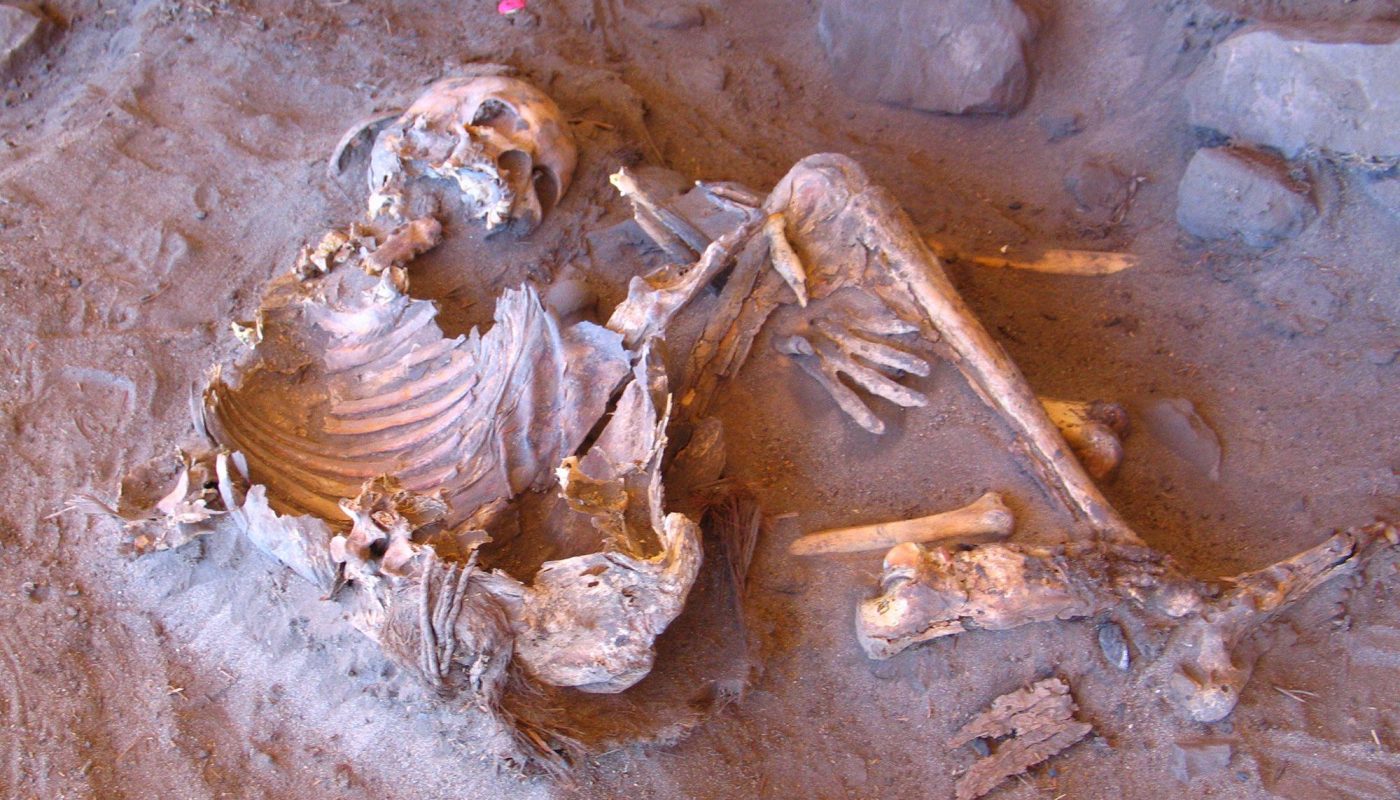
DNA from 7,000-year-old Takarkori Rockshelter mummies revealed a genetic “living fossil”, a long-isolated ‘ghost’ human lineage that had barely changed for 40,000 years
Imagine stumbling upon a 7,000-year-old secret, hidden deep within the Sahara Desert. The Takarkori Rockshelter, a site in Libya, has yielded an incredible discovery – a group of mummies that have been frozen in time, holding the key to a long-lost human lineage. The DNA extracted from these ancient individuals has revealed a genetic “living fossil”, a mysterious and isolated branch of humanity that had remained largely unchanged for a staggering 40,000 years. This finding has sent shockwaves through the scientific community, and for good reason – it’s a discovery that challenges our current understanding of human evolution and raises more questions than answers.
A Window into the Past
The Takarkori Rockshelter mummies are a remarkable find, not just because of their age, but also due to the incredible preservation of their DNA. The harsh desert environment, combined with the shelter’s unique geography, created a perfect storm that allowed these ancient humans to remain intact for millennia. By analyzing the DNA, scientists have been able to reconstruct the lives of these individuals, gaining insights into their diet, lifestyle, and even their social structures. But what’s most fascinating is the revelation that this group of people had been isolated for so long, with minimal genetic exchange with other human populations. This has allowed them to retain a unique genetic signature, one that is distinct from other ancient human lineages.
Uncovering the Ghost Lineage
The term “ghost lineage” refers to a human population that has left behind no known descendants, yet still retains a distinct genetic identity. The Takarkori Rockshelter mummies represent just such a lineage, one that had been hidden from view for thousands of years. By studying their DNA, scientists have been able to piece together the history of this enigmatic group, including their origins, migrations, and eventual decline. What’s remarkable is that this lineage had barely changed over a period of 40,000 years, a testament to their isolation and ability to thrive in a challenging environment. This discovery has significant implications for our understanding of human evolution, highlighting the complexity and diversity of our species’ history.
Implications and Future Directions
The discovery of the Takarkori Rockshelter mummies and their unique genetic lineage has opened up new avenues of research, with scientists eager to learn more about this ancient human population. Further analysis of the DNA, combined with archaeological and anthropological studies, will help to shed more light on the lives of these individuals and their place within the broader human story. As we continue to unravel the secrets of our ancient past, we may uncover even more surprises, challenging our current understanding of human evolution and the complexities of our species’ history. The study of the Takarkori Rockshelter mummies is a powerful reminder of the importance of preserving our cultural and scientific heritage, and the incredible secrets that still await us in the depths of the desert.
As we gaze upon the 7,000-year-old faces of the Takarkori Rockshelter mummies, we are reminded of the profound connection that binds us to our ancient ancestors. Their stories, etched into the DNA that flows through our veins, are a testament to the incredible diversity and resilience of the human spirit. The discovery of this genetic “living fossil” is a thrilling reminder that there is still so much to uncover, so much to learn, and so much to marvel at in the ancient world that has shaped us into who we are today.