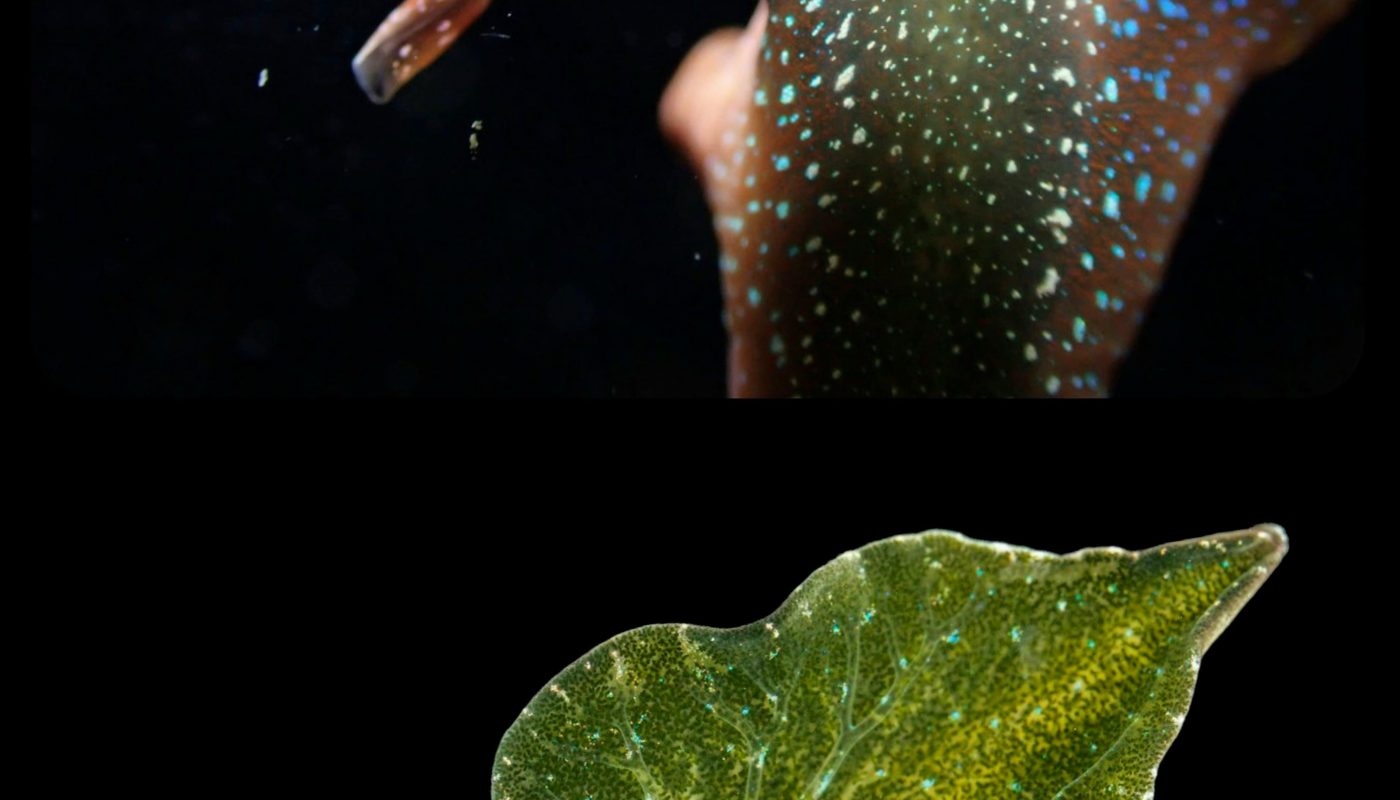
Elysia viridis: this sea slug is able to engage in photosynthesis by “stealing” chloroplasts from algae and then incorporating those cells into its own body, where they continue to photosynthesize, allowing the sea slug to survive without food for months at a time
Imagine being able to survive for months without eating, simply by soaking up the sun’s rays like a plant. Sounds like science fiction, right? But for one incredible creature, this is a reality. Meet Elysia viridis, a type of sea slug that has evolved to “steal” the ability to photosynthesize from algae, allowing it to thrive in a way that’s unparalleled in the animal kingdom. This remarkable ability has fascinated scientists and marine enthusiasts alike, and for good reason – it’s a truly one-of-a-kind adaptation that has allowed Elysia viridis to carve out a unique niche in the ocean.
The Great Chloroplast Heist
Elysia viridis achieves its photosynthetic prowess by incorporating chloroplasts, the organelles responsible for photosynthesis in plants, into its own body. But it doesn’t produce these chloroplasts itself – instead, it “steals” them from the algae it eats. This process is made possible by the sea slug’s unique digestive system, which allows it to retain the chloroplasts from its algal snacks and integrate them into its own cells. It’s a remarkable example of evolutionary adaptation, and one that has allowed Elysia viridis to tap into a completely new source of energy.
Life Without Food
So what does this mean for Elysia viridis in practical terms? In short, it means that this sea slug can survive for months without eating, as long as it has access to sunlight. This is because the chloroplasts it has incorporated into its body continue to photosynthesize, producing energy that the sea slug can use to fuel its activities. It’s an incredible ability that has allowed Elysia viridis to thrive in environments where food is scarce, and has even led scientists to dub it the “solar-powered sea slug”. But it’s not just the practical applications of this ability that are interesting – the underlying biology is also fascinating, and has led to some important discoveries about the evolution of photosynthesis and the boundaries between plants and animals.
A Window into the Evolution of Photosynthesis
The story of Elysia viridis is not just a curious footnote in the history of evolution – it also provides a unique window into the development of photosynthesis itself. By studying how this sea slug is able to incorporate chloroplasts into its body and use them to produce energy, scientists can gain insights into the fundamental biology of photosynthesis and how it evolved in the first place. It’s a reminder that the natural world is full of surprises and unexpected adaptations, and that there’s always more to learn about the incredible diversity of life on our planet.
As we continue to explore the ocean and its many secrets, creatures like Elysia viridis remind us of the awe-inspiring complexity and beauty of the natural world. This incredible sea slug may have evolved a unique ability to survive without food, but it’s also given us a glimpse into the fascinating biology that underlies all life on Earth. Whether you’re a scientist, a marine enthusiast, or simply someone who appreciates the weird and wonderful, Elysia viridis is sure to captivate and inspire – a true marvel of the ocean’s depths.