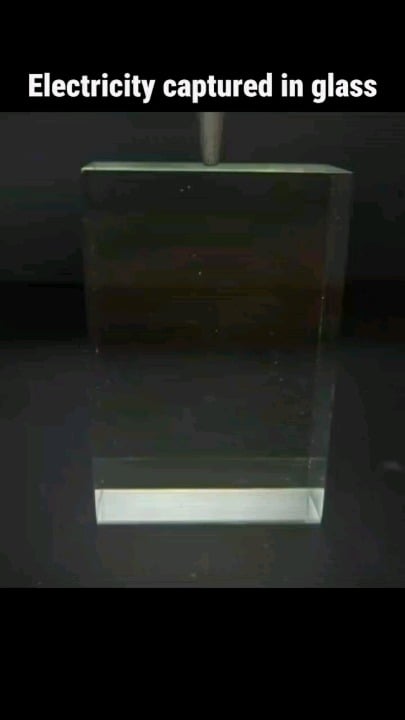
Ever seen what electricity looks like when it gets stuck inside an insulator?
Have you ever stopped to think about what happens when electricity gets stuck inside an insulator? I know it sounds like a weird concept, but trust me, it’s actually pretty fascinating. Insulators are materials that are designed to prevent the flow of electricity, like rubber or plastic, but sometimes, electricity can get trapped inside them. This phenomenon is known as an electrical discharge, and it’s not just a theoretical concept – it can actually be seen with the naked eye. When electricity gets stuck inside an insulator, it can create a mesmerizing display of light and sound that’s like nothing you’ve ever seen before.
What Causes Electrical Discharge?
So, what causes electricity to get stuck inside an insulator in the first place? It all has to do with the way that electricity interacts with different materials. When an electrical current is passed through a conductor, like a wire, it can flow freely and easily. But when that current encounters an insulator, it can become trapped. This is because insulators have a high resistance to the flow of electricity, which means that they can’t conduct electricity as easily as conductors can. When electricity gets trapped inside an insulator, it can build up and create a powerful electrical discharge. This discharge can take many forms, including sparks, arcs, and even bursts of light.
The Science Behind Electrical Discharge
But what’s really going on when we see an electrical discharge? It all has to do with the behavior of electrons. When electricity is passed through a conductor, the electrons in the conductor begin to flow freely. But when those electrons encounter an insulator, they can become trapped. As more and more electrons build up, they start to exert a force on each other, causing them to jump from the insulator to a nearby conductor. This jumping motion creates a spark, which is what we see as an electrical discharge. It’s a pretty complex process, but it’s also incredibly beautiful. The sparks and arcs that we see during an electrical discharge are like tiny lightning bolts, and they can be just as mesmerizing.
Observing Electrical Discharge
So, how can we observe electrical discharge in action? One way is to use a device called a Tesla coil. A Tesla coil is a type of resonant transformer that produces high-voltage, low-current electricity. When this electricity is passed through an insulator, it can create a powerful electrical discharge that’s visible to the naked eye. The discharge takes the form of sparks and arcs that can jump from the coil to a nearby object, creating a mesmerizing display of light and sound. It’s a truly awe-inspiring sight, and it’s a great way to learn about the science behind electrical discharge.
As I delved deeper into the world of electrical discharge, I couldn’t help but feel a sense of wonder and awe. It’s amazing to think that something as invisible as electricity can create such a dramatic display of light and sound. And yet, it’s not just about the visual effects – it’s also about the science behind it. By studying electrical discharge, we can gain a deeper understanding of the way that electricity interacts with different materials, and how we can harness that power to create new technologies and innovations. So next time you see a spark or an arc, remember that there’s a whole world of science and wonder behind it.