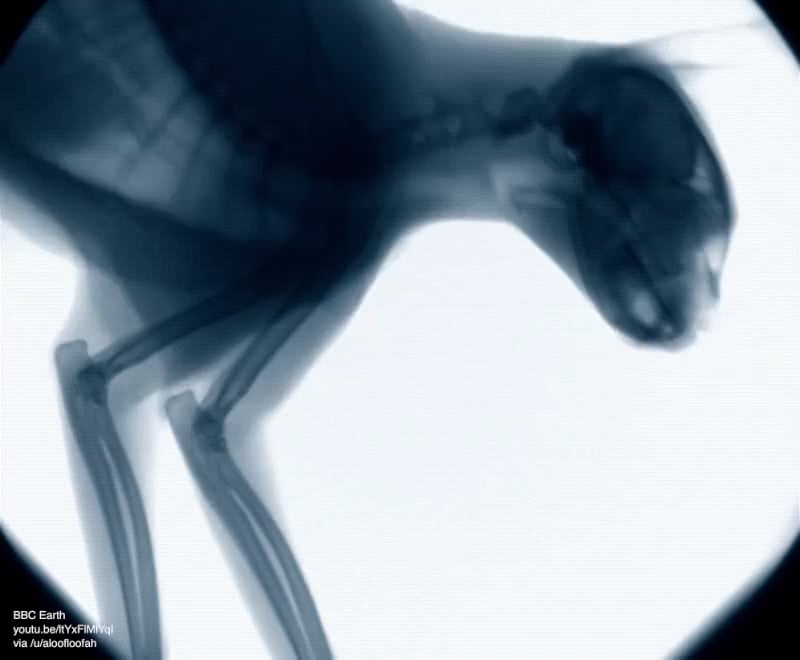
Fluoroscopy performed on a cat
As I sat in the veterinary clinic, watching the team prepare for a fluoroscopy procedure on a curious cat named Luna, I couldn’t help but wonder what this mysterious process entailed. The vet explained that fluoroscopy is a type of medical imaging that uses x-rays to produce real-time moving images of the internal structures of the body. But what makes it so special, and why is it used on animals like Luna? The answer lies in the fascinating world of veterinary medicine, where technology meets compassion to help our furry friends heal and thrive.
What is Fluoroscopy?
Fluoroscopy is a diagnostic tool that allows veterinarians to visualize the internal movements of an animal’s body in real-time, helping them to diagnose and treat a range of conditions. From swallowing disorders to respiratory problems, fluoroscopy provides a unique glimpse into the inner workings of the body. In Luna’s case, the vet was using fluoroscopy to investigate a suspected swallowing disorder, where food and liquids might be entering her airways instead of her esophagus. By using fluoroscopy, the vet could observe the movement of food and liquids through Luna’s throat and esophagus, identifying any abnormalities or blockages that might be causing the problem.
The Procedure
The fluoroscopy procedure itself was surprisingly quick and painless for Luna. She was gently placed on a table, and a small amount of contrast material was administered to help the x-rays produce clear images. The vet then used a fluoroscopy machine to take real-time images of Luna’s internal structures, observing the movement of food and liquids through her throat and esophagus. The images were displayed on a monitor, allowing the vet to analyze the results and make a diagnosis on the spot. Throughout the procedure, Luna remained calm and cooperative, thanks to the gentle handling and soothing voice of the vet.
A Compassionate Approach
What struck me most about the fluoroscopy procedure was the compassion and care with which it was carried out. The veterinary team was dedicated to making Luna feel comfortable and relaxed throughout the process, using gentle handling and soothing voice to minimize her stress. This approach not only ensures the welfare of the animal but also allows for more accurate and reliable results. As I watched Luna recover from the procedure, I was reminded of the importance of empathy and understanding in the veterinary world. By combining technological advancements like fluoroscopy with a compassionate approach, vets can provide the best possible care for our beloved pets, helping them to heal and thrive.
As I left the clinic, I couldn’t help but feel a sense of awe at the remarkable technology and compassionate care that had been on display. Fluoroscopy may seem like a complex and intimidating procedure, but in the right hands, it can be a powerful tool for healing and discovery. And as for Luna, she was back to her old tricks in no time, thanks to the quick diagnosis and treatment made possible by fluoroscopy. It’s a testament to the amazing work being done in veterinary medicine, and a reminder that our furry friends are in good hands when they need it most.