Genetics explained with gummy bears
Imagine walking into a colorful candy store, filled with jars of gummy bears in every shape, size, and flavor. As you reach for a handful, you start to wonder – what makes each gummy bear unique? Is it the way they’re made, or is there something more going on beneath the surface? As it turns out, the answer lies in the fascinating world of genetics. Just like how gummy bears come in different colors and shapes, our genes determine our unique characteristics, from eye color to height. But how does it all work? Let’s dive into the sweet world of genetics, explained with gummy bears.
The Basics of Genetics
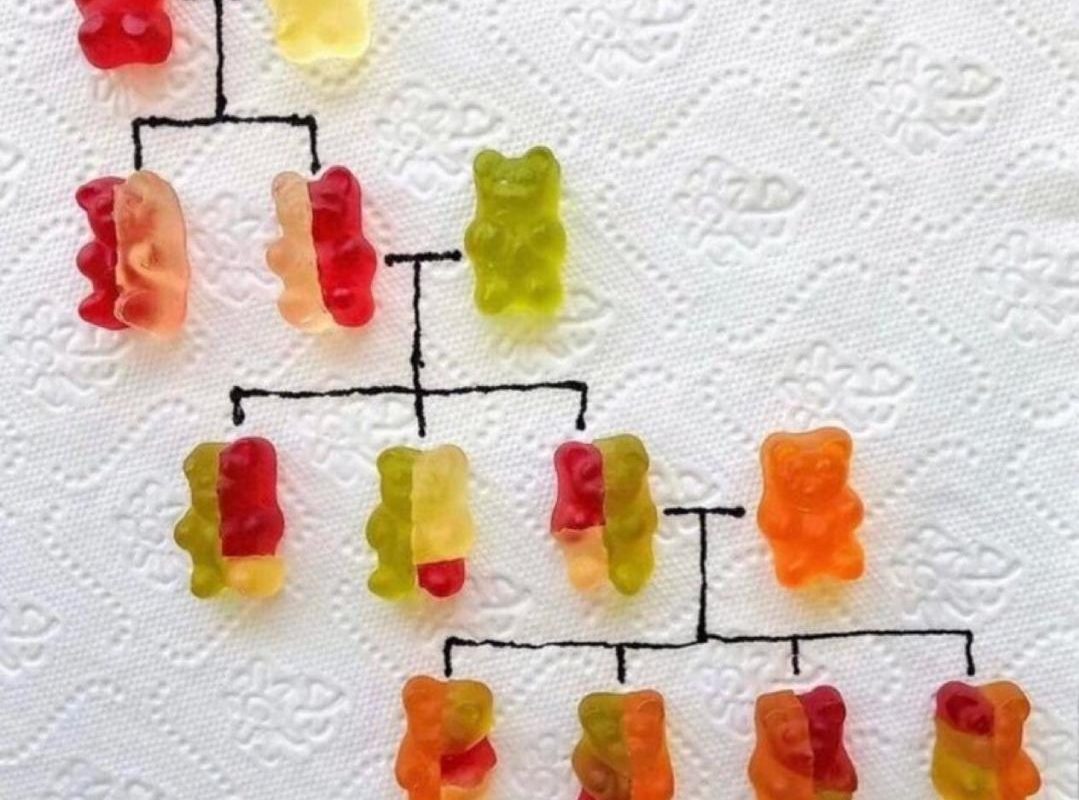
Think of genes like a recipe for your favorite gummy bear flavor. Just as a recipe requires specific ingredients and instructions, genes contain the instructions for creating proteins, which are the building blocks of our bodies. The unique combination of genes we inherit from our parents determines our traits, like the color of our eyes or the shape of our nose. In the world of gummy bears, this would be like having a special recipe that combines red and yellow food coloring to create a unique orange color. The recipe (or gene) is passed down from the “parent” gummy bear, and the resulting color is the trait that’s expressed.
Genetic Variation and Inheritance
Now, let’s talk about genetic variation. Just as gummy bears come in different flavors and colors, humans have genetic variations that make us unique. These variations can occur spontaneously, like a random sprinkle of edible glitter on a gummy bear, or they can be inherited from our parents. The way these variations are passed down is determined by the laws of inheritance, which were first discovered by Gregor Mendel. Imagine a jar of gummy bears, each with a unique combination of traits. When you mix and match these traits, you get a new generation of gummy bears with their own unique characteristics. This is similar to how our genes are passed down from one generation to the next, with each combination resulting in a unique individual.
Epigenetics and the Environment
But genetics isn’t the only factor that determines our traits. Epigenetics, or the way our environment affects our genes, also plays a role. Think of it like coating a gummy bear in a layer of sweet, sticky syrup. The syrup doesn’t change the underlying gummy bear, but it does affect how it’s perceived and interacts with the world. In the same way, our environment and lifestyle can affect how our genes are expressed, without actually changing the genes themselves. This complex interplay between genetics and environment is what makes each of us unique, like a one-of-a-kind gummy bear creation.
As we finish our journey into the world of genetics, explained with gummy bears, it’s clear that the science behind our unique traits is both fascinating and complex. From the basic building blocks of genes to the intricate dance between genetics and environment, there’s still so much to learn and discover. So next time you reach for a handful of gummy bears, remember the incredible story of genetics that’s behind each and every one of them – a story that’s still being written, one delicious and unique trait at a time.