How Flock Cameras Wrongly Tracked Me For Days over ‘Stolen’ Plates and Sent Police After Me
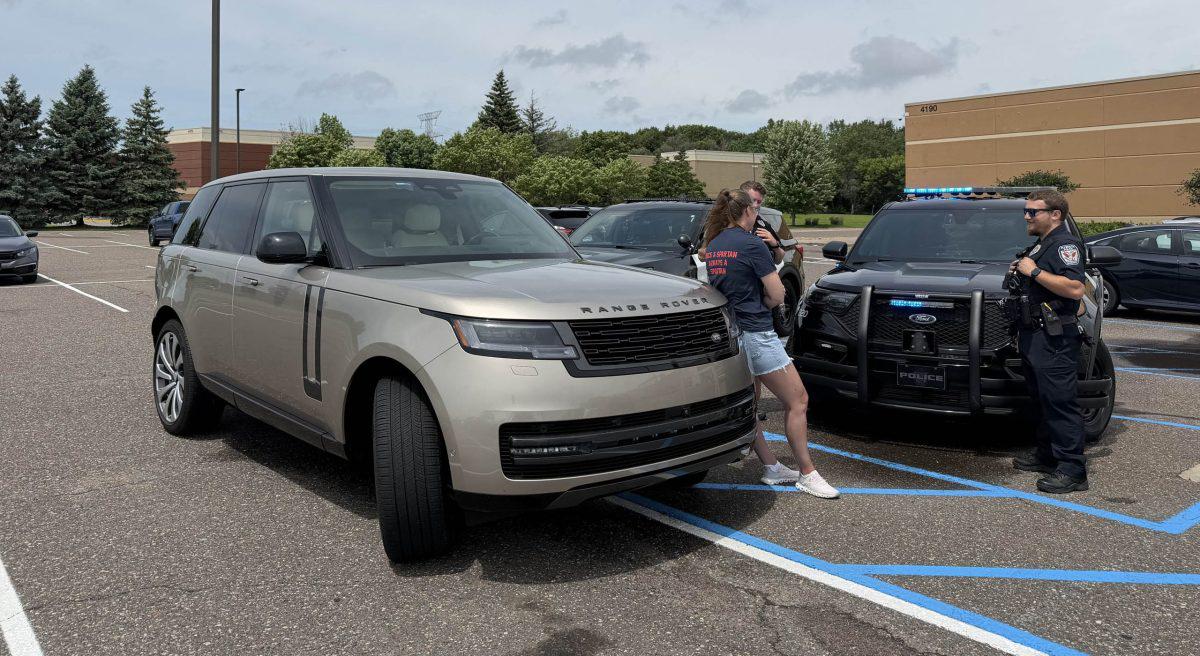
I still remember the day I received a frantic call from the police, asking me to pull over because my car’s license plates had been reported stolen. I was confused and a bit amused, knowing that I had been driving my car around town just the day before with the same plates. It wasn’t until later that I discovered the shocking truth – a Flock camera had wrongly tracked me for days, mistakenly identifying my plates as stolen and sending the authorities after me. As I dug deeper into the story, I realized that this was more than just a simple case of mistaken identity – it was a fascinating glimpse into the world of AI-powered surveillance and the potential pitfalls of relying on technology to keep us safe.
The Science Behind Flock Cameras
Flock cameras are a type of automated license plate reader (ALPR) that use artificial intelligence to scan and identify license plates. These cameras are often used by law enforcement agencies and private companies to track and monitor vehicles, and they can be incredibly effective at helping to solve crimes and recover stolen vehicles. However, as my experience shows, they are not foolproof. The cameras use a combination of optical character recognition (OCR) software and machine learning algorithms to read and identify license plates, but they can be thrown off by a variety of factors, including poor lighting, dirty or damaged plates, and even similar-looking plates. In my case, it seems that the Flock camera had mistakenly identified my plates as stolen due to a glitch or a misreading of the plate number.
A Glimpse into the World of Surveillance
My experience with the Flock camera was a sobering reminder of just how much surveillance is taking place in our daily lives. From traffic cameras to security cameras, our movements are being tracked and monitored in ways that we may not even be aware of. While this can be useful for keeping us safe and preventing crime, it also raises important questions about privacy and the potential for abuse. As we rely more and more on technology to keep us safe, we need to be aware of the potential pitfalls and make sure that we are using these tools in a responsible and transparent way. In my case, the Flock camera had been installed in a residential neighborhood, and it was being used to monitor and track vehicles in the area. While the intention behind the camera was likely to prevent crime and keep the community safe, it ended up causing me a lot of unnecessary stress and hassle.
A Call for Transparency and Accountability
As I reflected on my experience with the Flock camera, I couldn’t help but wonder how many other people had been wrongly tracked and targeted by these cameras. The lack of transparency and accountability in the use of surveillance technology is a major concern, and it’s something that we need to be talking about more. We need to make sure that we are using these tools in a way that is fair, responsible, and respectful of people’s privacy. This includes being open and transparent about how the technology is being used, and making sure that there are safeguards in place to prevent abuse and mistakes. By working together to address these issues, we can help to build a safer and more just society for everyone.
In the end, my experience with the Flock camera was a wild and unexpected ride, but it also taught me a lot about the importance of being aware of the technology that is being used to track and monitor us. As we move forward in this brave new world of surveillance and AI-powered technology, we need to be careful and thoughtful about how we are using these tools, and make sure that we are prioritizing transparency, accountability, and respect for people’s privacy. By doing so, we can help to create a safer and more just society for everyone, and avoid the kind of mistakes that I experienced with the Flock camera.