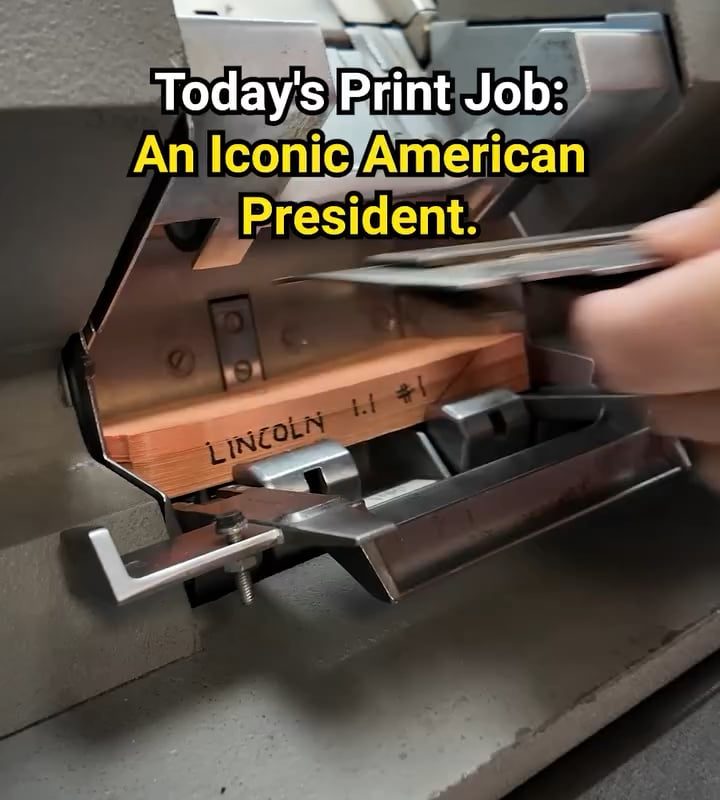
How pictures were printed using punch cards on an IBM mainframe
I still remember the first time I stumbled upon an old IBM mainframe – it was like walking into a time capsule, with rows of blinking lights, humming machinery, and a sense of nostalgia that was hard to shake off. As I delved deeper into the world of mainframes, I discovered a fascinating process that was used to print pictures – using punch cards. Yes, you read that right – punch cards, those humble pieces of cardboard with holes punched into them, were once used to create intricate images on paper. The process was tedious, to say the least, but the results were nothing short of remarkable.
The Magic of Punch Cards
Punch cards were the primary input method for IBM mainframes, and they worked by using a series of holes to represent different characters or instructions. When it came to printing pictures, the process involved creating a series of punch cards that corresponded to the different shades of gray or colors in the image. The cards were then fed into the mainframe, which would interpret the holes and print the corresponding pixels on the page. It was a painstaking process, with each card representing a single line of the image, but the end result was a unique and captivating picture that seemed to come alive on the page.
How it Worked
The process of printing pictures using punch cards involved a combination of art and science. The image was first broken down into a series of lines, with each line represented by a single punch card. The card was then punched with a series of holes that corresponded to the different shades of gray or colors in the image. The mainframe would then read the card and print the corresponding pixels on the page, using a combination of ink and paper to create the final image. The resulting picture was often grainy and low-resolution, but it had a certain charm that was hard to replicate with modern technology.
A Lost Art Form
Today, the art of printing pictures using punch cards is all but lost, replaced by modern technologies that can produce high-resolution images with ease. But there’s something to be said for the tactile nature of punch cards, the way they could be held in your hand and admired as a work of art in their own right. The process of creating images with punch cards was a labor of love, a testament to the ingenuity and creativity of the people who worked with mainframes. As I look back on those old IBM mainframes, I’m reminded of the power of technology to shape our world and create new forms of art and expression.
As I reflect on the fascinating world of punch cards and mainframes, I’m struck by the realization that even the most outdated technologies can hold a certain beauty and charm. The process of printing pictures using punch cards may be lost to the ages, but it’s a reminder that innovation and creativity can be found in even the most unexpected places. And who knows – maybe one day we’ll see a resurgence of interest in this unique and captivating art form, and the humble punch card will once again take its place as a tool of artistic expression.