How some people living in remote mountain regions get their food and supplies
I still remember the first time I stumbled upon a documentary about a small village nestled in the Himalayas, where residents would embark on a treacherous journey just to get their weekly groceries. It was mind-boggling to think that while I was complaining about the long lines at my local supermarket, there were people out there who had to hike for hours, even days, to get their hands on basic necessities like food and medicine. This sparked my curiosity, and I began to dig deeper into the fascinating world of remote mountain communities and how they manage to survive, and even thrive, in some of the most inhospitable environments on Earth.
The Logistics of Living Remotely
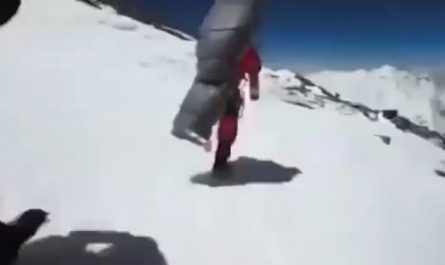
For people living in remote mountain regions, getting food and supplies is a complex and often perilous task. In many cases, these communities are cut off from the rest of the world for several months during the winter, when heavy snowfall and icy roads make it impossible for vehicles to reach them. To prepare for this, residents will often stockpile non-perishable items like canned goods, dried fruits, and grains, which can be stored for long periods of time. They will also rely on traditional preservation methods like smoking, curing, and fermenting to make their food supplies last longer. In some cases, communities will even work together to create a shared storage system, where everyone contributes to a communal pantry that can be accessed by all.
Innovative Solutions
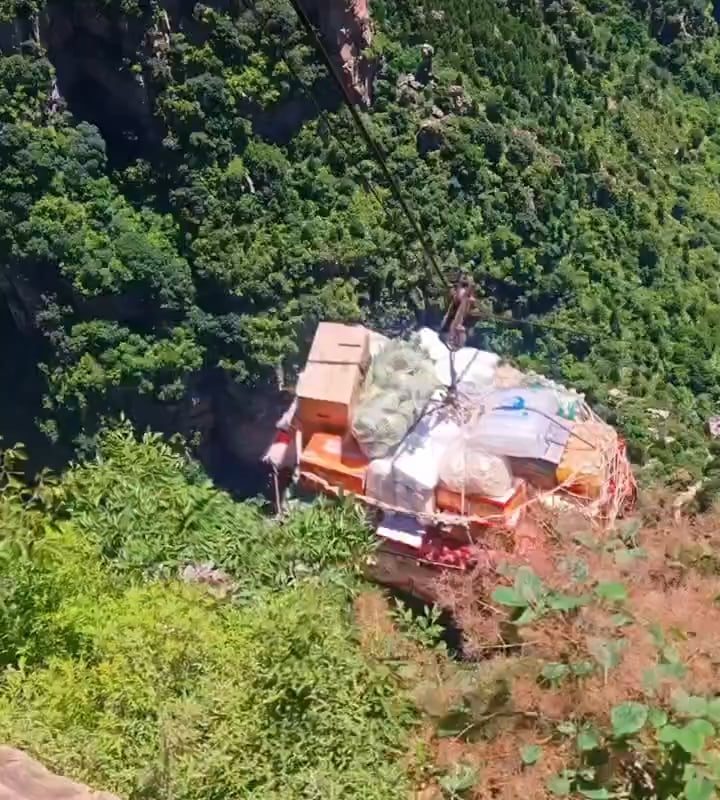
In recent years, technology has played a significant role in improving the lives of people living in remote mountain regions. For example, some communities have started using drones to transport small packages, like medicine and fresh produce, to areas that are difficult to reach by road. Others have implemented innovative systems like vertical farming, which allows them to grow their own fruits and vegetables in controlled environments, regardless of the weather outside. These solutions not only provide a reliable source of food but also create new opportunities for economic growth and development. Additionally, some organizations have started using pack animals, like yaks and mules, to transport goods to remote areas, providing a vital lifeline to these communities.
Community Spirit
Despite the many challenges they face, people living in remote mountain regions have developed a strong sense of community and resilience. Neighbors will often come together to help each other with tasks like farming, hunting, and gathering firewood, which not only fosters a sense of camaraderie but also ensures that everyone has access to the resources they need. In many cases, these communities have also developed unique cultural traditions and customs, which are closely tied to their environment and way of life. For instance, some communities will hold annual festivals to celebrate the changing of the seasons, which provides an opportunity for socializing, storytelling, and reinforcing community bonds.
As I delved deeper into the world of remote mountain communities, I was struck by the ingenuity, resourcefulness, and warmth of the people who call these rugged landscapes home. Their stories are a testament to the human spirit’s ability to adapt and thrive in even the most challenging environments. And while their way of life may seem vastly different from our own, it’s a powerful reminder of the importance of community, resilience, and determination – values that we can all learn from and appreciate, regardless of where we live.