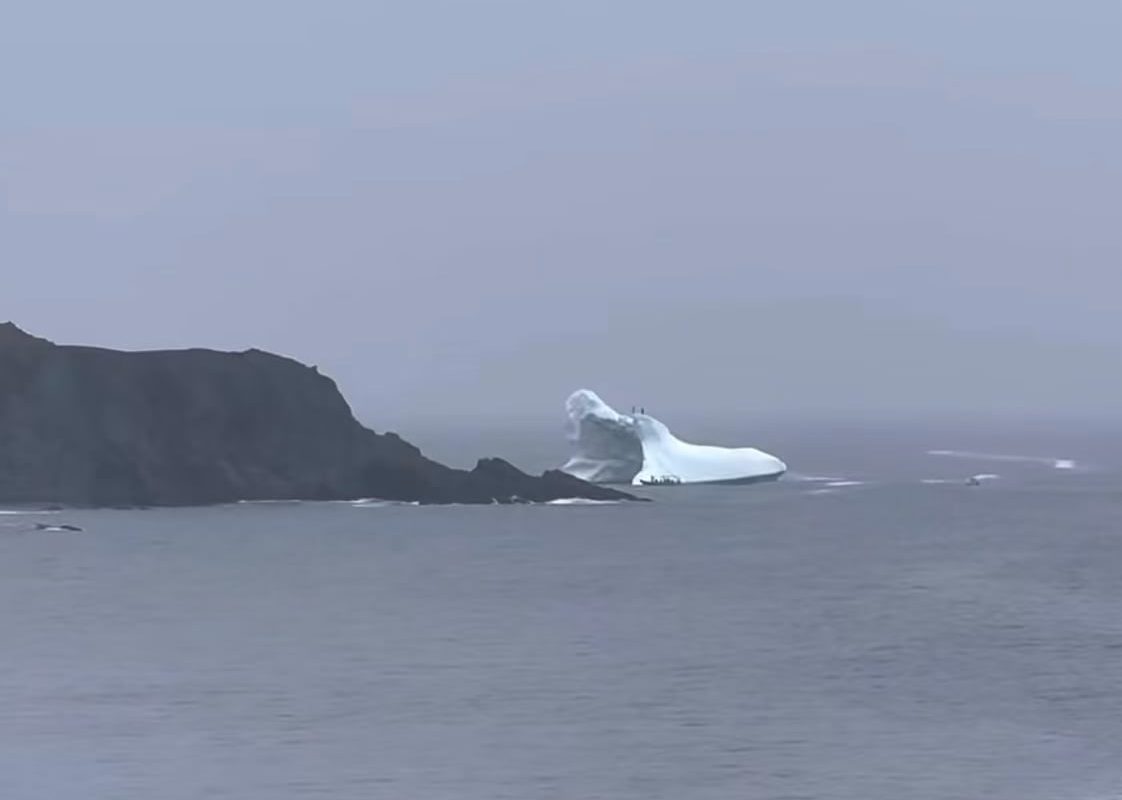
Ice berg diving into the cold North Atlantic
Imagine yourself standing at the edge of a ship, the icy winds of the North Atlantic whipping your face, as you prepare to take the plunge into the freezing waters below. Your destination? The submerged world of an iceberg, hidden beneath the surface like a secret kingdom. As you descend into the depths, the water pressure increases and the cold begins to seep into your bones, but the thrill of discovery keeps you going. You’re not just diving into any old iceberg – you’re exploring a natural wonder that’s been shaped by thousands of years of geological history.
The Formation of Icebergs
So, how do these massive chunks of ice form in the first place? It all starts with glaciers, slow-moving rivers of ice that flow from the polar ice caps into the ocean. As the glaciers reach the sea, they begin to break off, or calve, into giant icebergs that can be hundreds of feet tall. These icebergs are made up of compacted snow that’s been compressed over thousands of years, making them incredibly dense and heavy. As they float through the ocean, they’re shaped by the wind, waves, and currents, which wear them down into the distinctive shapes we see today.
Diving into the Unknown
As you dive down into the icy waters, you’ll encounter a world that’s both familiar and alien. The iceberg looms above you, its frozen walls glinting in the faint light that filters down from above. You’ll see strange formations, like ice caves and underwater glaciers, that are unlike anything you’d find on land. And then there’s the marine life – seals, walruses, and even the occasional polar bear – that call the iceberg home. But beware: the waters around icebergs can be treacherous, with powerful currents and near-freezing temperatures that can be deadly to even the most experienced divers.
The Science of Iceberg Diving
So, what makes iceberg diving so unique from a scientific perspective? For one thing, the ice itself is a fascinating subject of study. Scientists can learn a lot about the Earth’s climate history by analyzing the ice cores extracted from icebergs, which contain layers of frozen sediment that date back thousands of years. And then there’s the marine life, which has adapted to the extreme conditions around icebergs in incredible ways. By studying these ecosystems, scientists can gain insights into the complex relationships between species and their environments, and how they respond to changes in the climate.
As you finally emerge from the icy waters, gasping with exhilaration and relief, you’ll have a newfound respect for the power and beauty of the natural world. Iceberg diving is an experience like no other, a journey into a hidden realm that’s both breathtaking and humbling. And as you sail away from the iceberg, you’ll carry with you memories of a world that’s both fragile and resilient, and a deeper appreciation for the incredible wonders that lie just beneath the surface of our planet.