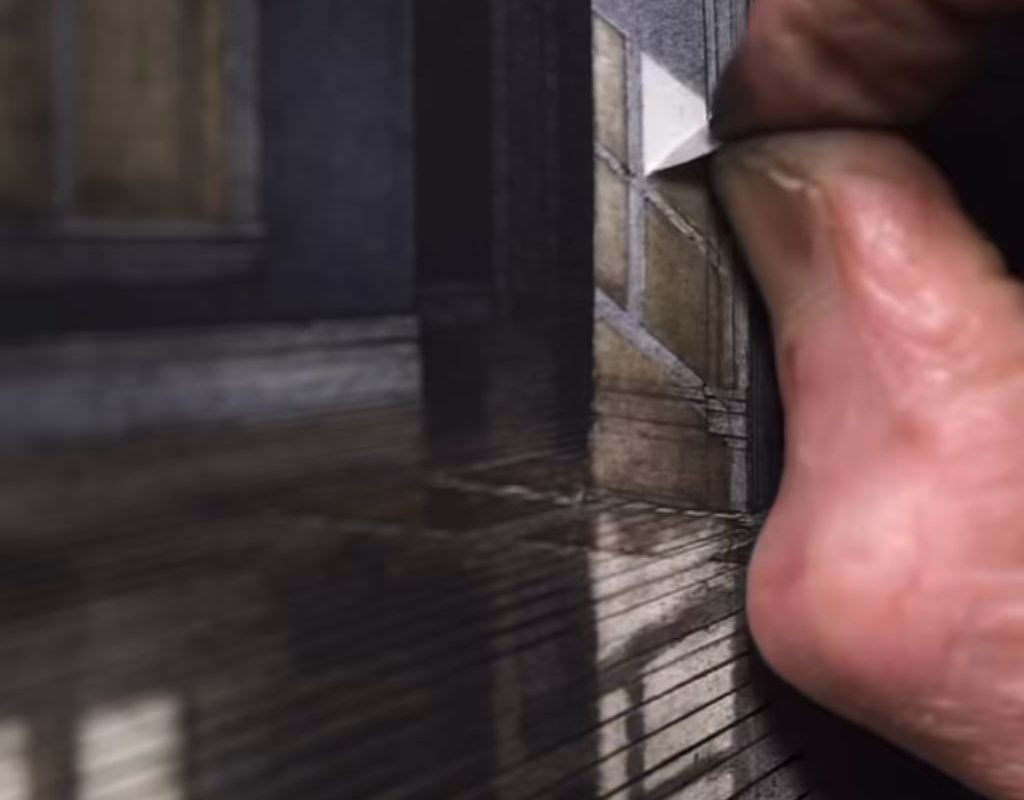
Found on Facebook. Original artwork by Taylor Mazer.
In the world of art, few things can evoke the same sense of mystery and intrigue as the interplay between light and shadow. And when it comes to capturing this delicate dance, few mediums can match the expressiveness of ink. With its fluid, dynamic lines and rich, velvety textures, ink art has a unique ability to bring light and shadow to life in a way that’s both captivating and thought-provoking. From the subtle nuances of traditional Chinese brushwork to the bold, expressive strokes of modern calligraphy, ink art has long been a favorite among artists and art lovers alike – and for good reason. Whether you’re an avid collector or just someone who appreciates the beauty of a well-crafted piece, the world of ink art is full of fascinating stories and secrets waiting to be uncovered.
The Art of Light and Shadow
Ink art has a long and storied history that spans thousands of years, with roots in ancient Chinese and Japanese cultures. From the intricate, detailed illustrations of medieval manuscripts to the bold, expressive landscapes of modern ink paintings, this versatile medium has been used to capture everything from the subtle play of light on water to the deep, mysterious shadows of the forest. And yet, despite its many uses and applications, ink art remains a deeply personal and expressive medium – one that allows artists to tap into their inner world and bring their unique vision to life. Whether you’re looking at a delicate, hand-painted scroll or a bold, abstract ink painting, the interplay between light and shadow is always a key element, adding depth, texture, and emotion to the overall piece.
The Science of Ink
But what makes ink art so uniquely suited to capturing the interplay between light and shadow? The answer lies in the science behind the medium itself. Ink, unlike other artistic mediums like paint or pastels, is a fluid, dynamic substance that can be manipulated and controlled in a wide range of ways. From the viscosity of the ink to the absorbency of the paper, every element of the artistic process plays a role in shaping the final piece – and the interplay between light and shadow is no exception. By carefully controlling the flow of ink and the texture of the paper, artists can create a wide range of subtle, nuanced effects that bring the play of light and shadow to life in a way that’s both captivating and believable.
Uncovering the Secrets of Ink Art
So what can we learn from the fascinating world of ink art? For one thing, the interplay between light and shadow is a powerful reminder of the importance of balance and harmony in art and life. Just as a beautiful ink painting relies on the delicate balance between light and dark, so too do our lives rely on the balance between different elements – work and play, rest and activity, solitude and social connection. By studying the art of ink and its unique ability to capture the play of light and shadow, we can gain a deeper appreciation for the beauty and complexity of the world around us – and perhaps even discover new insights into the human experience itself.
As we delve into the fascinating world of ink art, we begin to uncover a rich tapestry of stories, secrets, and surprises that await us around every corner. From the subtle nuances of traditional brushwork to the bold, expressive strokes of modern calligraphy, the interplay between light and shadow is a constant theme – one that reminds us of the beauty, complexity, and mystery of the world around us. Whether you’re an artist, an art lover, or simply someone who appreciates the beauty of a well-crafted piece, the world of ink art is a journey worth taking – one that will leave you inspired, intrigued, and perhaps even a little bit changed forever.