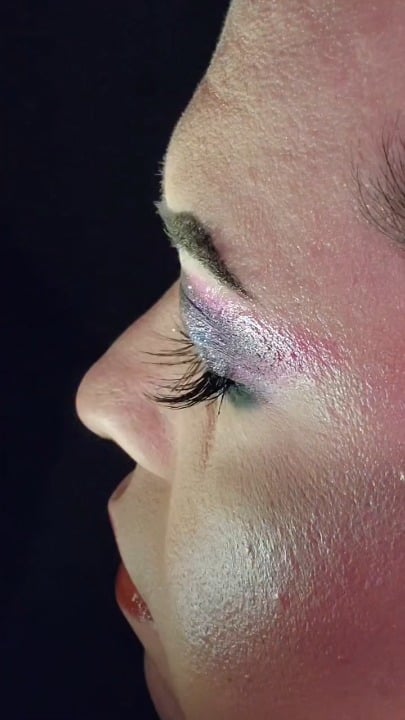
Megalocornea, a rare eye condition in which the cornea (the clear front surface of the eye) is abnormally large, typically more than 13 mm in diameter,while the eye pressure is usually normal.
Have you ever stumbled upon a medical term that sounds like something out of a science fiction novel? For me, that term is Megalocornea – a rare eye condition that has left me fascinated and curious. Imagine having eyes that are larger than usual, not just in terms of appearance, but in terms of the actual size of the cornea, the clear front surface of the eye. It’s a condition that affects a small percentage of the population, and yet, it’s a reminder of the incredible diversity of the human body.
What is Megalocornea?
Megalocornea is a rare eye condition characterized by an abnormally large cornea, typically more than 13 mm in diameter. To put that into perspective, the average corneal diameter is around 11-12 mm. Despite its unusual size, the eye pressure in individuals with Megalocornea is usually normal, which is a good thing, as high eye pressure can be a sign of more serious eye problems like glaucoma. But what’s really interesting about Megalocornea is that it’s often associated with other conditions, such as Down syndrome, and can be a part of various genetic syndromes.
The Science Behind Megalocornea
So, what causes Megalocornea? Well, it’s not entirely clear, but research suggests that it may be related to genetic mutations that affect the development of the cornea during fetal development. In some cases, Megalocornea may be inherited from one’s parents, while in other cases, it may occur spontaneously. The condition is usually diagnosed during childhood, and while it may not cause any significant vision problems, it can increase the risk of other eye conditions, such as cataracts and retinal detachment. Despite the potential risks, many people with Megalocornea lead normal, healthy lives, with minimal vision problems.
Living with Megalocornea
For individuals living with Megalocornea, the condition can be a bit of a mixed bag. On the one hand, it’s a relatively rare condition, which can make it difficult to find information and support. On the other hand, many people with Megalocornea report few, if any, vision problems, and are able to live normal, active lives. In fact, some people with Megalocornea may not even be aware that they have the condition, as it may not cause any noticeable symptoms. As with any rare medical condition, raising awareness and promoting understanding is key to helping individuals with Megalocornea get the support and care they need.
As I delved deeper into the world of Megalocornea, I couldn’t help but feel a sense of awe at the incredible complexity and diversity of the human body. From the intricate structure of the cornea to the genetic mutations that can affect its development, Megalocornea is a reminder that there’s still so much to learn and discover about the human eye. And who knows, maybe one day we’ll uncover even more secrets about this fascinating condition, and develop new treatments and therapies to help those affected by it. Until then, I’ll remain fascinated by the strange and wonderful world of Megalocornea.