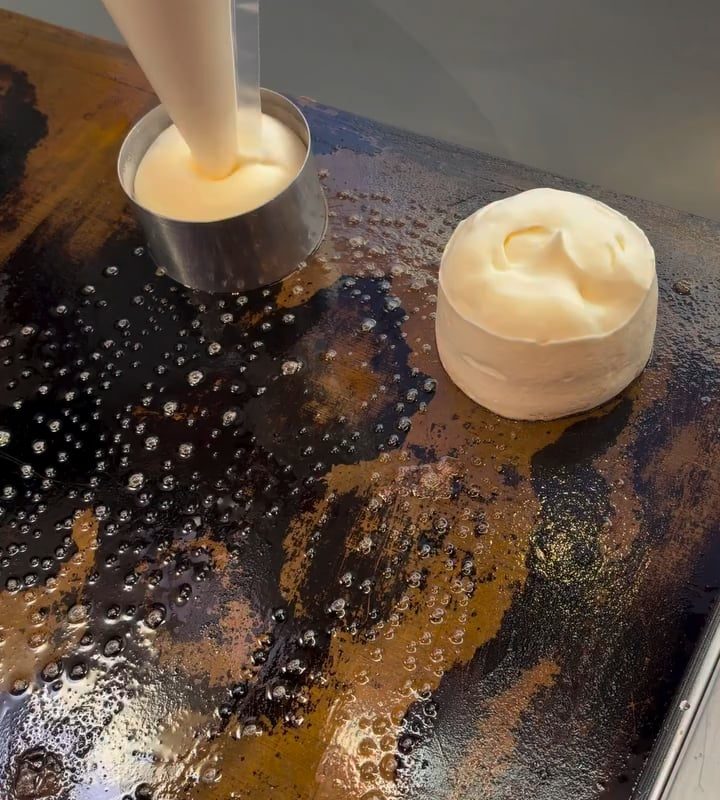
Pancake making – so soft
There’s something undeniably special about biting into a fluffy, soft pancake on a lazy Sunday morning. The way it melts in your mouth, releasing a burst of sweetness and warmth, is the epitome of comfort food. But have you ever stopped to think about what makes pancakes so soft and divine? It’s not just the recipe or the cooking technique – there’s actually a fascinating science behind it. From the type of flour used to the chemical reactions that occur during cooking, making the perfect pancake is an art that requires a deep understanding of the ingredients and their interactions.
The Magic of Leavening Agents
One of the key factors that contribute to a pancake’s softness is the use of leavening agents like baking powder and baking soda. These ingredients release carbon dioxide gas as they react with liquid ingredients, causing the batter to rise and giving the pancake its light, airy texture. But what’s really interesting is how these leavening agents work together with other ingredients to create the perfect balance of texture and flavor. For example, the acidity in buttermilk helps to activate the baking soda, while the baking powder provides a slower release of carbon dioxide, allowing the pancake to rise evenly and consistently.
The Role of Starches and Proteins
Another crucial aspect of pancake making is the type of flour used. Wheat flour, which is commonly used in pancake recipes, contains a combination of starches and proteins that play a critical role in determining the texture of the final product. The starches in wheat flour, such as amylose and amylopectin, absorb liquid and expand, creating a tender, soft crumb. Meanwhile, the proteins in the flour, like gluten, provide structure and elasticity, helping the pancake to hold its shape and maintain its texture. By understanding how these starches and proteins interact, pancake enthusiasts can experiment with different types of flour and ingredients to create unique and delicious variations.
The Art of Cooking to Perfection
Finally, the way pancakes are cooked can make all the difference in achieving that perfect softness. Cooking pancakes over medium heat, for example, allows for a gentle, even cooking process that helps to preserve the delicate texture of the batter. Meanwhile, using the right amount of oil or butter in the pan can add flavor and tenderness to the pancake, while also preventing it from becoming too dry or crispy. By paying attention to these details and experimenting with different cooking techniques, home cooks can create pancakes that are truly exceptional – and irresistibly soft.
As I sit here, savoring the memory of a perfectly cooked pancake, I’m reminded of the joy and satisfaction that comes from creating something truly delicious. Whether you’re a seasoned chef or a curious beginner, the art of pancake making is a journey worth exploring – and one that’s full of surprises and delights. So go ahead, get out your mixing bowl and frying pan, and start experimenting with the magic of pancake making. Your taste buds will thank you!