Source: Hogan Baker (adirondack.iron)
I still remember the first time I saw someone pick up metal filings with a magnetic picker – it was like magic, but instead of a wand, they were using a small device that seemed to defy gravity. The way the tiny metal shards jumped off the surface and clung to the picker was mesmerizing, and I was instantly hooked. As it turns out, this nifty tool has been around for a while, and its story is more fascinating than you might think. From its humble beginnings in the industrial revolution to its modern-day applications, the magnetic picker has come a long way, and its science is just as captivating as its history.
The Science Behind the Magic
The magnetic picker works on a simple yet powerful principle: magnetism. When a magnet is brought close to a ferromagnetic material, such as iron or nickel, it creates an attractive force that can lift and hold the material in place. This is because the magnet aligns the electrons in the material, creating a magnetic field that interacts with the magnet’s own field. The result is a strong attraction that can overcome the weight of the material, allowing the picker to lift even the smallest metal filings with ease. But what’s really interesting is that the strength of the magnetic field depends on the type of magnet used, as well as the distance between the magnet and the material – which is why some magnetic pickers are more effective than others.
A Brief History of Magnetic Pickers
The concept of magnetic pickers dates back to the early days of the industrial revolution, when factories and workshops needed a way to handle and manipulate small metal parts. The first magnetic pickers were likely made from simple magnets and wooden or metal handles, but over time, they evolved to become more sophisticated and specialized. Today, magnetic pickers come in all shapes and sizes, from small handheld devices to large industrial machines, and are used in a wide range of applications, from manufacturing and construction to crafting and hobbying. Whether you’re a professional engineer or a DIY enthusiast, a magnetic picker is an essential tool to have in your arsenal.
Modern-Day Applications
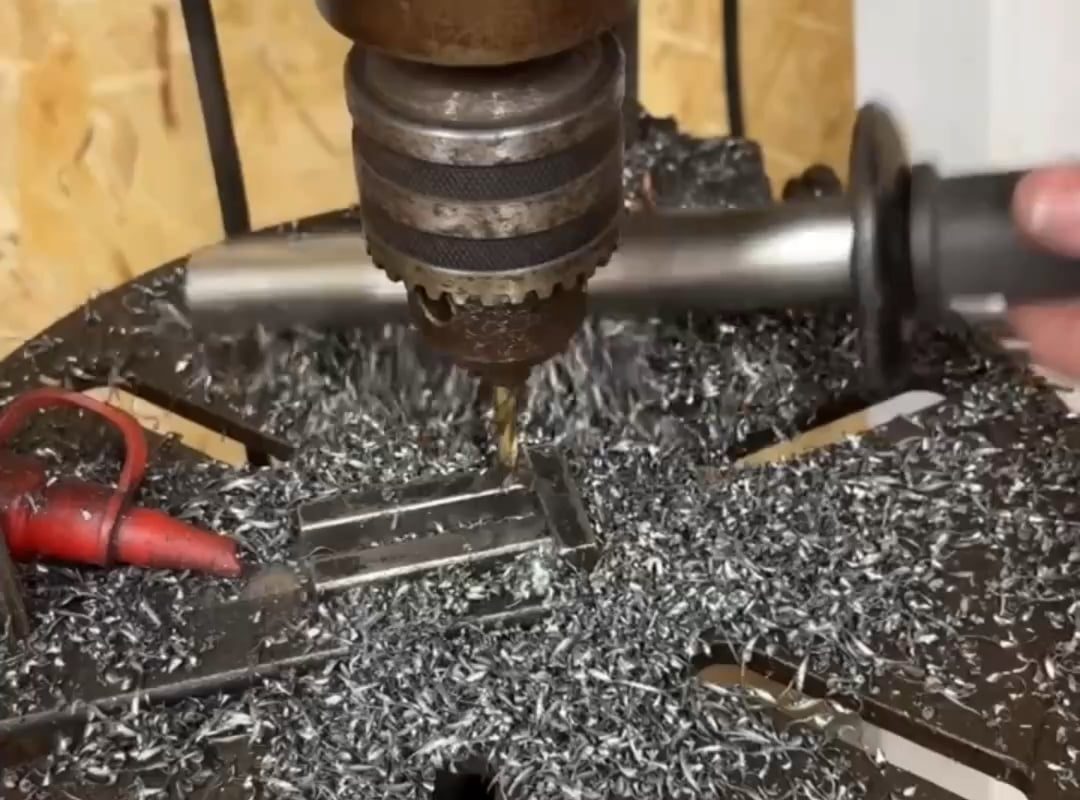
So, what can you do with a magnetic picker? The answer is, plenty. For starters, it’s a great way to clean up metal debris and shavings from work surfaces, which can be a real safety hazard. It’s also useful for handling small metal parts, such as screws, nuts, and bolts, which can be easily lost or misplaced. But beyond these practical uses, magnetic pickers have also become a popular tool among crafters and hobbyists, who use them to create intricate metal designs and patterns. Whether you’re making jewelry, models, or other metal crafts, a magnetic picker is a must-have tool that can save you time and frustration.
As I look back on my first encounter with a magnetic picker, I’m still amazed by the simplicity and elegance of this tool. From its rich history to its modern-day applications, the magnetic picker is a true marvel of science and engineering. So next time you see someone using a magnetic picker, remember the fascinating story behind this humble device – and who knows, you might just find yourself hooked on its magic too.