Removing bubbles
Have you ever found yourself staring at a beautiful painting or a sleek new gadget, only to be distracted by a tiny, pesky bubble trapped beneath the surface? It’s amazing how something so small can be so annoying, isn’t it? But have you ever stopped to think about the art and science of removing bubbles? From the delicate process of conserving priceless works of art to the high-tech manufacturing of electronics, removing bubbles is a crucial step that requires precision, patience, and a deep understanding of the materials involved.
The Art of Conservation
When it comes to removing bubbles from artworks, conservators have to be extremely careful not to damage the delicate surfaces. In the case of paintings, for example, bubbles can form when the varnish or paint layers separate from the canvas or panel underneath. To remove these bubbles, conservators use a range of specialized techniques, including gentle heat application, careful pricking with a needle, or even using a specialized vacuum chamber to slowly draw out the air. It’s a painstaking process that requires a deep understanding of the materials and techniques used in the original creation of the artwork, as well as a great deal of patience and attention to detail.
The Science of Adhesion
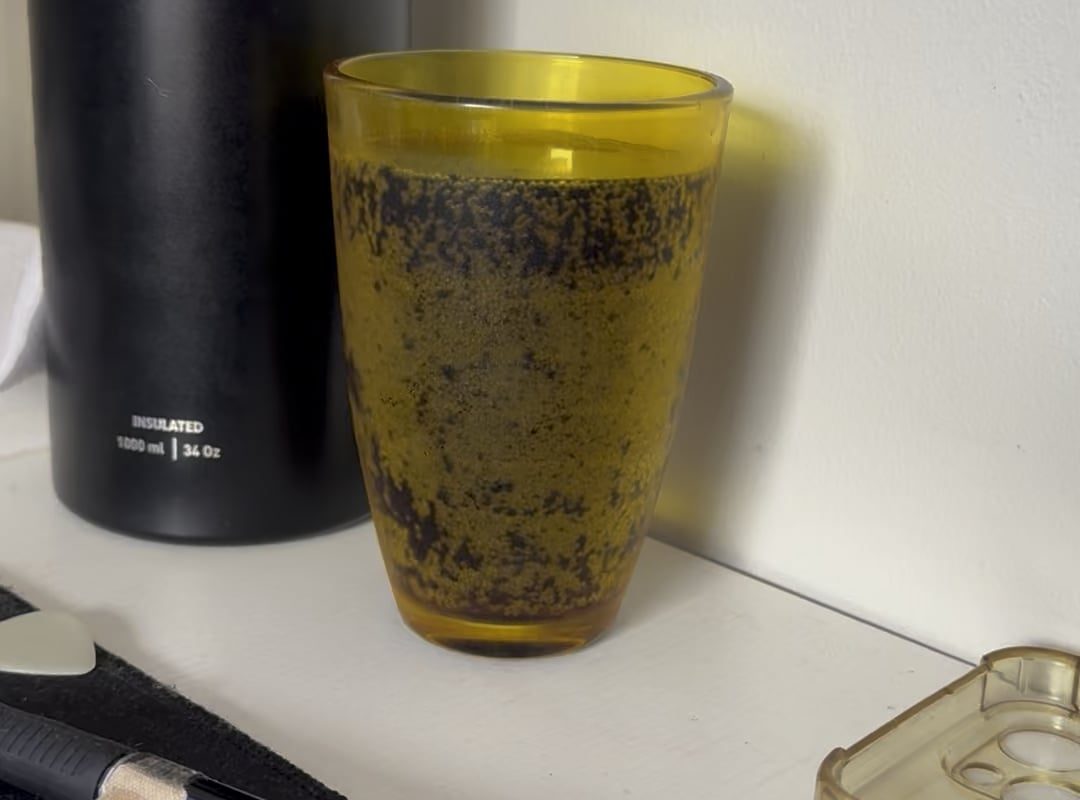
But removing bubbles isn’t just an art form – it’s also a science. When it comes to manufacturing materials like adhesives, coatings, and composites, bubbles can be a major problem. That’s because the presence of air pockets can weaken the material, reducing its strength and durability. To combat this, scientists use a range of techniques to remove bubbles, including ultrasonic vibration, centrifugation, and vacuum degassing. By understanding the properties of the materials and the behavior of the bubbles, researchers can develop new methods and technologies to produce bubble-free materials with improved performance and reliability.
Everyday Applications
So what does this mean for us in our everyday lives? Well, the next time you’re applying a screen protector to your phone or watching a manufacturer assemble a complex electronic device, remember that removing bubbles is a crucial step in the process. Whether it’s ensuring a strong bond between the screen protector and the glass, or preventing defects in the manufacturing process, the ability to remove bubbles is essential. And who knows – maybe one day you’ll find yourself working in a field where removing bubbles is a key part of the job, using cutting-edge technologies and techniques to create innovative new materials and products.
As I finish writing this, I’m reminded of just how fascinating the world of removing bubbles is. From the delicate art of conservation to the cutting-edge science of materials manufacturing, it’s a topic that’s full of surprises and interesting stories. So next time you notice a pesky bubble, take a moment to appreciate the skill and science that goes into removing it – and who knows, you might just find yourself drawn into a whole new world of wonder and discovery.