Robotic threadlock applicator
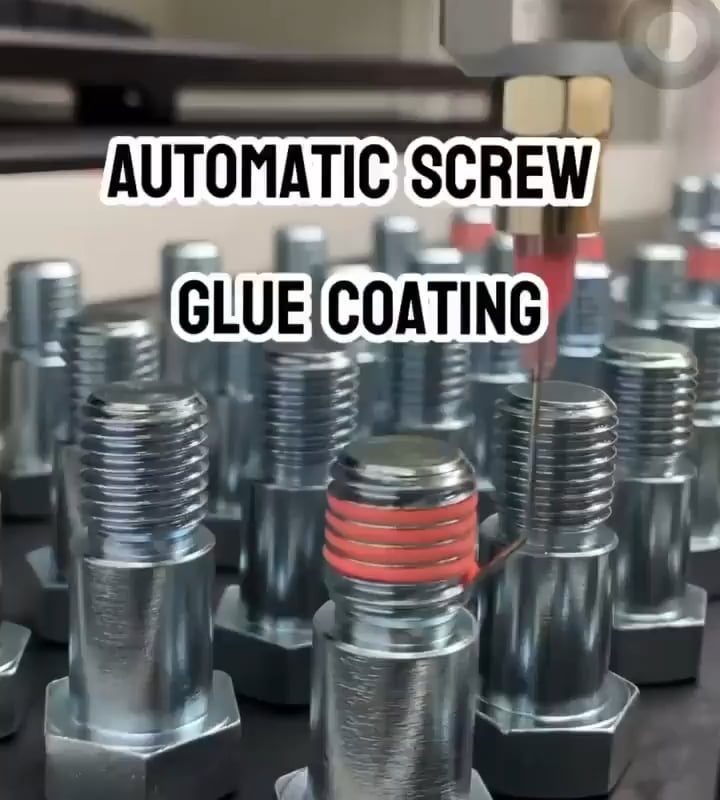
I still remember the first time I stumbled upon a robotic threadlock applicator – it was like watching a tiny, precise dance, with the machine moving deftly to apply just the right amount of threadlocker to each screw and bolt. I was fascinated by the way it worked, and I couldn’t help but wonder about the story behind this clever device. As it turns out, the development of robotic threadlock applicators is a tale of innovation and problem-solving, driven by the need for efficiency and accuracy in manufacturing.
The Problem of Threadlock Application
For years, manufacturers have relied on manual threadlock application, which can be a time-consuming and error-prone process. Threadlock, also known as threadlocker or Loctite, is a type of adhesive that is applied to screws and bolts to prevent them from loosening over time. However, applying just the right amount of threadlock can be tricky, and excess threadlock can be messy and difficult to clean up. Moreover, manual application can lead to inconsistent results, which can compromise the quality and reliability of the final product. This is where robotic threadlock applicators come in – they offer a precise and efficient solution to this problem, using advanced robotics and computer vision to apply threadlock with pinpoint accuracy.
The Science Behind Robotic Threadlock Applicators
So, how do these machines work their magic? It all starts with computer vision, which allows the robotic threadlock applicator to detect the screws and bolts that need to be threaded. The machine uses a camera to scan the workpiece and identify the locations where threadlock needs to be applied. Once the locations are identified, the machine uses a robotic arm to apply a precise amount of threadlock to each screw or bolt. The amount of threadlock applied can be adjusted to suit the specific requirements of the application, and the machine can even detect and adapt to variations in the workpiece. This level of precision and flexibility is made possible by advanced algorithms and machine learning techniques, which enable the robotic threadlock applicator to learn and improve over time.
Real-World Applications and Benefits
Robotic threadlock applicators are being used in a wide range of industries, from automotive and aerospace to medical devices and consumer electronics. By automating the threadlock application process, manufacturers can improve efficiency, reduce waste, and enhance product quality. Additionally, robotic threadlock applicators can help to reduce the risk of human error, which can be a major source of defects and rework. With the ability to apply threadlock with precision and accuracy, manufacturers can produce higher-quality products that are more reliable and longer-lasting. As the demand for precision and efficiency continues to grow, it’s likely that we’ll see even more innovative applications of robotic threadlock applicators in the future.
As I watched the robotic threadlock applicator at work, I couldn’t help but feel a sense of awe and appreciation for the ingenuity and innovation that has gone into its development. From the early days of manual threadlock application to the sophisticated robotic systems of today, it’s clear that this technology has come a long way – and it’s exciting to think about where it might go from here. With its potential to improve efficiency, accuracy, and product quality, the robotic threadlock applicator is an unsung hero of modern manufacturing, and one that is sure to play an increasingly important role in the years to come.