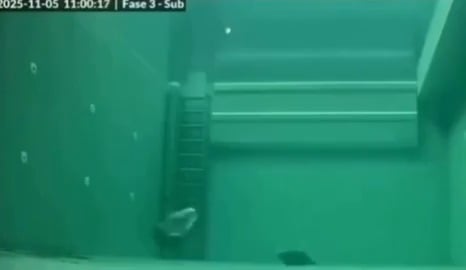
Seals have a built-in ‘autopilot’ reflex that automatically surfaces them to breathe while they are fast asleep underwater.
Imagine being able to sleep with complete abandon, knowing that your body has got your back – or rather, your breathing. Sounds like a dream, right? Well, for seals, this is a reality. These marine mammals have a built-in ‘autopilot’ reflex that automatically surfaces them to breathe while they are fast asleep underwater. It’s like they have a personal snorkeling assistant, ensuring they get the oxygen they need without even breaking a sweat – or should I say, a seal-sized yawn.
The Science Behind the Reflex
So, how does this incredible reflex work? It all comes down to the seal’s brain and its ability to switch between two different modes of functioning. When a seal is awake, it uses its cerebral cortex to control its movements and breathing. However, when it falls asleep, its brainstem takes over, allowing it to enter a state of reduced consciousness. This is when the autopilot reflex kicks in, enabling the seal to surface and breathe without any conscious effort. It’s an impressive example of evolutionary adaptation, where the seal’s body has developed a way to ensure its survival even when it’s not actively in control.
Seal Sleep Patterns
But what’s even more fascinating is that seals don’t sleep like humans do. They have a unique way of snoozing, known as unihemispheric slow-wave sleep, where one half of the brain is in a state of deep sleep, while the other half remains awake and alert to potential threats. This means that seals are always partially awake, even when they’re fast asleep, which allows them to quickly respond to any danger that might come their way. It’s like they have a built-in alarm system, ensuring they’re always ready to react and protect themselves. And, of course, their autopilot reflex is always on standby, ready to kick in and bring them to the surface for a breath of fresh air.
Implications and Inspirations
The discovery of seals’ autopilot reflex has significant implications for our understanding of sleep patterns and brain function in marine mammals. It also raises interesting questions about the potential applications of this knowledge in human medicine and technology. For example, could we develop devices that mimic the seal’s autopilot reflex, allowing people to sleep more safely and efficiently? The possibilities are endless, and it’s exciting to think about the potential breakthroughs that could arise from studying these incredible creatures. As we continue to learn more about seals and their remarkable abilities, we’re reminded of the awe-inspiring complexity and beauty of the natural world.
As we marvel at the seal’s autopilot reflex, we’re reminded of the incredible diversity and adaptability of life on our planet. From the deepest oceans to the highest mountains, each species has evolved unique strategies to survive and thrive in its environment. And as we delve deeper into the fascinating world of seals and their sleep patterns, we’re inspired to appreciate the intricate web of life that surrounds us, and to continue exploring and learning about the amazing creatures that call our planet home.