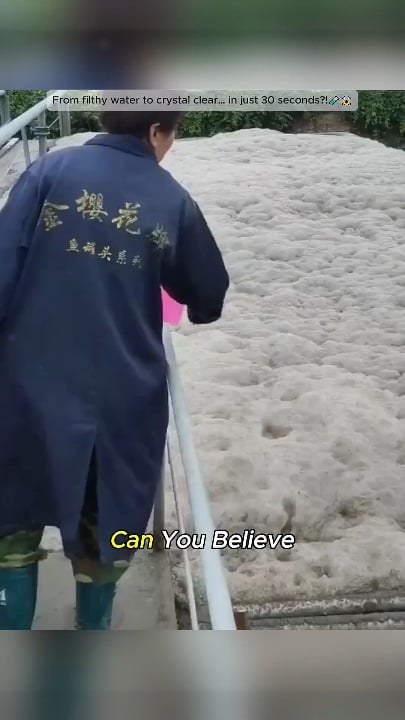
See how wastewater plants use flocculants and filter presses to separate sludge from water in under a minute!
Imagine being able to turn dirty, murky wastewater into clean, sparkling water in under a minute – it sounds like magic, but it’s a reality that’s happening every day in wastewater treatment plants around the world. The secret to this incredible transformation lies in the use of two powerful tools: flocculants and filter presses. These unsung heroes of the wastewater world work together to separate the sludge from the water, making it possible to reclaim and reuse this precious resource. But have you ever wondered how they actually work, and what makes them so effective?
The Power of Flocculants
Flocculants are chemicals that are added to the wastewater to help bind together the tiny particles of dirt and debris that are suspended in the water. This process, known as coagulation, creates larger and larger clumps of material that are easier to remove from the water. The type of flocculant used can vary depending on the specific characteristics of the wastewater, but they all work on the same basic principle: to bring together the tiny particles and make them big enough to be caught in a filter. It’s a bit like using a magnet to attract and hold together a bunch of tiny metal filings – the flocculant is like a chemical magnet that pulls together the particles and makes them easy to remove.
Filter Presses: The Squeeze
Once the flocculant has done its job and the particles have been bound together, it’s time to bring in the filter press. This is essentially a big, powerful squeeze that uses pressure to force the water out of the sludge and leave behind a dry, compact cake. The filter press is made up of a series of plates and frames that are arranged in a special order, with the sludge being pumped into the space between them. As the plates are squeezed together, the water is forced out of the sludge and into a separate chamber, leaving behind a solid cake that can be easily disposed of. It’s a bit like wringing out a wet towel – the filter press is like a giant, mechanical wringer that squeezes out all the water and leaves behind a dry, compact mass.
The Result: Clean Water
So what’s the result of all this hard work by the flocculants and filter presses? The answer is clean, sparkling water that’s safe to reuse or release back into the environment. It’s a truly amazing process that’s happening every day in wastewater treatment plants around the world, and it’s all thanks to the power of these two incredible tools. Whether it’s being used to irrigate crops, fill reservoirs, or simply flow back into our rivers and streams, the clean water that’s produced by this process is a precious resource that’s essential to our health, our economy, and our environment. And the next time you turn on the tap or take a drink from a fountain, remember the tiny particles, the chemical magnets, and the giant mechanical wringers that all worked together to make that water clean and safe to drink.
As we continue to face the challenges of a growing population and a changing climate, the importance of clean water will only continue to grow. That’s why it’s so exciting to see the innovative solutions that are being developed to reclaim and reuse this precious resource. From the powerful chemicals that bind together tiny particles, to the massive machines that squeeze out the water and leave behind a dry, compact cake, the technology behind wastewater treatment is a fascinating and complex field that’s full of surprises and innovations. So next time you hear someone talking about the importance of clean water, you’ll know that there’s a whole lot of science and technology that’s working behind the scenes to make it all possible.