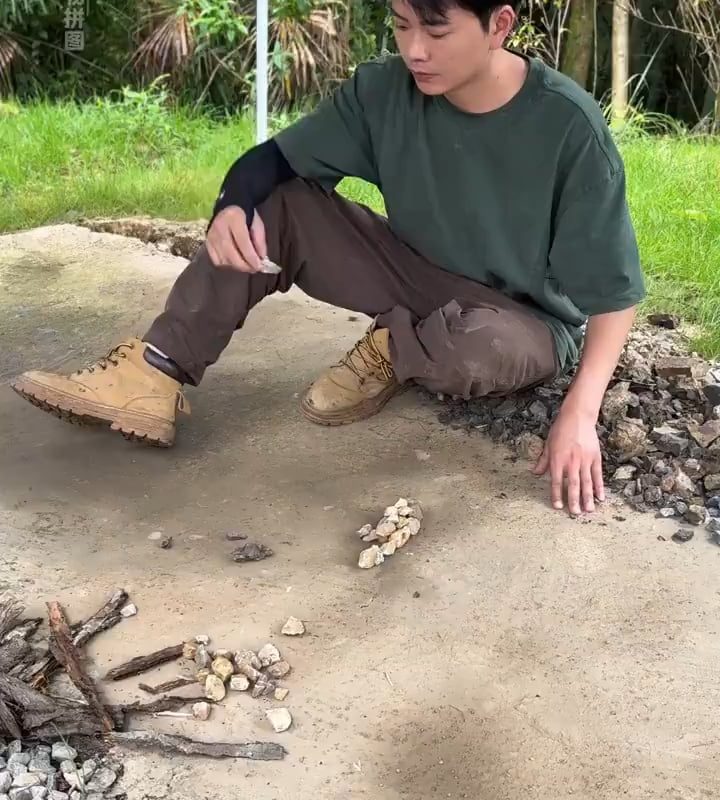
Simple materials, yet so lifelike!
I still remember the first time I stumbled upon an incredibly realistic sculpture made from simple materials – it was as if I was staring at a living, breathing creature. The level of detail and precision that went into creating it was astounding, and it left me wondering how something so lifelike could be crafted from basic everyday materials. As I delved deeper into the world of art and sculpture, I discovered that this was not an isolated incident, and that many artists were pushing the boundaries of what was possible with simple materials.
The Art of Transformation
One of the most fascinating aspects of working with simple materials is the ability to transform them into something entirely new and unexpected. Take paper, for example – a material that is often overlooked and underappreciated. Yet, in the hands of a skilled artist, paper can be molded and shaped into intricate and complex forms that are almost indistinguishable from real life. This process of transformation is not just about creating something visually stunning, but also about challenging our perceptions and understanding of the material itself. By manipulating and reshaping simple materials, artists are able to reveal new textures, patterns, and forms that were previously hidden from view.
The Science Behind the Magic
So, what makes simple materials so versatile and conducive to creating lifelike sculptures? The answer lies in the unique properties and characteristics of each material. For instance, paper has a unique texture and flexibility that allows it to be molded and shaped in a wide range of ways. Similarly, materials like clay and plaster have a level of malleability that makes them ideal for creating intricate details and textures. By understanding the science behind these materials, artists are able to harness their properties and push the boundaries of what is possible. Whether it’s the way that light reflects off a particular material, or the way that it responds to different temperatures and environments, each material has its own unique personality and characteristics that can be exploited to create something truly remarkable.
A Window into the Artist’s Mind
Perhaps the most intriguing aspect of simple materials, however, is the window they provide into the artist’s mind and creative process. When an artist works with simple materials, they are forced to be inventive and resourceful, often relying on intuition and experimentation to guide their creative decisions. This process of trial and error can be incredibly revealing, offering a glimpse into the artist’s thought process and problem-solving skills. By examining the ways in which an artist works with simple materials, we can gain a deeper understanding of their creative vision and the ideas that drive their work.
As I continue to explore the world of art and sculpture, I am constantly amazed by the incredible things that can be created from simple materials. Whether it’s a delicate paper sculpture or a intricate clay model, each piece is a testament to the power of human creativity and ingenuity. By embracing the simplicity and versatility of everyday materials, artists are able to create something truly remarkable – a window into a world of wonder and awe that inspires and delights us all.