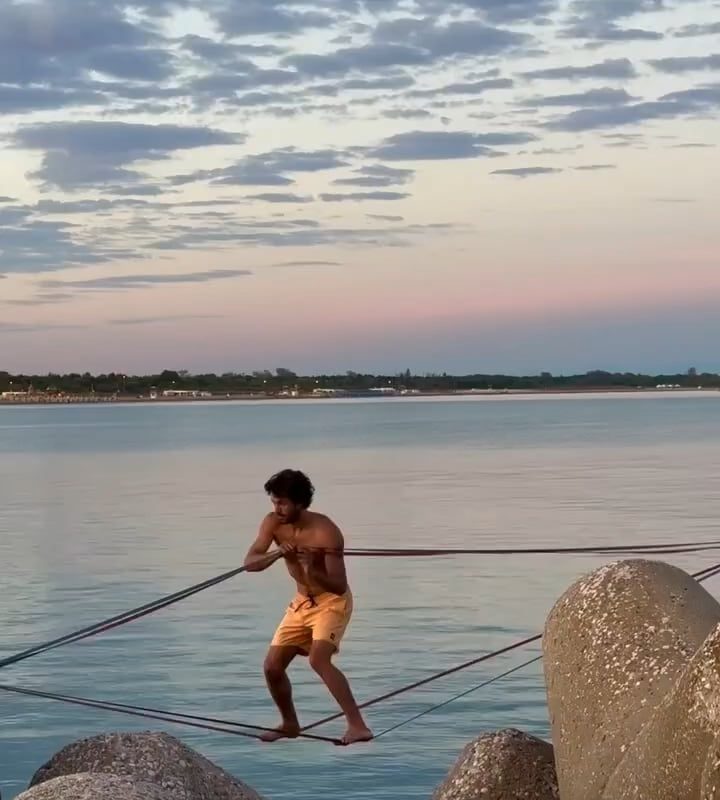
Slackline skills
I still remember the first time I saw someone walking on a slackline – it was like watching a tightrope walker, but instead of a high wire, they were balancing on a thin piece of webbing stretched between two trees. The way they moved with ease, their feet rolling from heel to toe, was mesmerizing. As I delved deeper into the world of slacklining, I discovered that it’s not just a fun activity, but also a great way to improve balance, focus, and overall physical fitness. The history of slacklining is fascinating, and it’s amazing to think that this sport has evolved from a simple pastime to a global phenomenon.
The Origins of Slacklining
Slacklining has its roots in the 1970s and 80s, when rock climbers would use old climbing ropes to create a makeshift balance line between trees. They would practice walking on the line to improve their balance and focus, which would help them with their climbing. Over time, the sport gained popularity, and people began to create their own slacklines using webbing and anchors. Today, slacklining is enjoyed by people all over the world, from casual enthusiasts to professional athletes. The sport has evolved to include different types of slacklining, such as longlining, tricklining, and yoga lining, each with its own unique challenges and benefits.
The Science Behind Slacklining
So, what makes slacklining so challenging? The answer lies in the science of balance and equilibrium. When we walk on a slackline, our body is constantly making adjustments to maintain balance. The line is dynamic, meaning it moves and sways, which requires our body to adapt quickly. This is where the concept of proprioception comes in – our ability to sense the position and movement of our body. Slacklining helps improve proprioception, which is essential for balance, coordination, and overall physical fitness. Additionally, slacklining requires focus and concentration, which can help improve mental clarity and reduce stress.
Benefits of Slacklining
Slacklining is not just a fun activity, but it also has numerous physical and mental benefits. It can help improve balance, flexibility, and overall physical fitness. Slacklining can also reduce stress and improve focus, making it a great activity for people of all ages. Moreover, slacklining is a low-impact activity, which means it’s easy on the joints, making it accessible to people with injuries or chronic pain. As I continued to explore the world of slacklining, I was amazed by the sense of community and camaraderie that exists among slackliners. Whether you’re a beginner or an experienced slackliner, there’s always someone to learn from and share tips with.
As I reflect on my journey into the world of slacklining, I’m reminded of the importance of trying new things and pushing ourselves outside of our comfort zones. Slacklining is a sport that requires patience, persistence, and practice, but the rewards are well worth it. Whether you’re looking to improve your physical fitness, reduce stress, or simply have fun, slacklining is definitely worth giving a try. So, find a nearby park, grab a slackline, and start walking – you never know where it might take you!