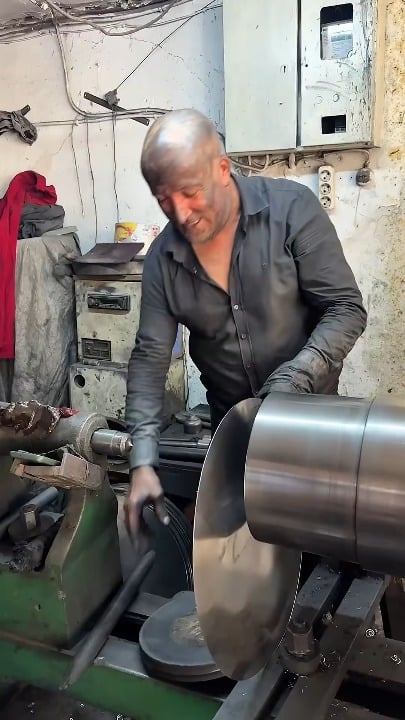
Spinning a flat aluminum disc into a deep pot on a lathe
As I watched the aluminum disc spin into a beautiful, deep pot on the lathe, I couldn’t help but feel a sense of awe at the magic of metalworking. The way the metal seemed to come alive, transforming from a flat, lifeless disc into a vibrant, curvaceous vessel, was nothing short of mesmerizing. But what’s really fascinating is the story behind this process – the science, the history, and the craftsmanship that all come together to create something truly remarkable. From the early days of metalworking, when craftsmen would painstakingly hammer and shape metal by hand, to the modern computer-controlled lathes of today, the art of spinning metal has evolved significantly over time.
The Science of Spinning
The process of spinning a flat aluminum disc into a deep pot on a lathe is rooted in the principles of physics and materials science. As the disc spins, the metal is subjected to centrifugal forces that cause it to deform and take on the shape of the mold or form that’s being used. The speed and pressure of the spinning process, combined with the properties of the metal itself, all play a critical role in determining the final shape and structure of the pot. It’s a delicate balance of forces and materials, and one that requires a great deal of skill and expertise to get right. Whether you’re working with aluminum, copper, or some other type of metal, the principles remain the same – and it’s this blend of art and science that makes metal spinning so fascinating.
A Brief History of Metal Spinning
Metal spinning has a rich and varied history that spans thousands of years. From the ancient Egyptians, who used metal spinning to create intricate vessels and other objects, to the modern manufacturers who use computer-controlled lathes to produce complex parts and components, the art of metal spinning has evolved significantly over time. In the past, metal spinning was a labor-intensive process that required great skill and craftsmanship – but with the advent of new technologies and techniques, it’s become possible to produce high-quality metal parts and objects with greater speed and efficiency. Whether you’re interested in the history of metalworking, or simply want to learn more about the process of metal spinning, there’s no denying the fascination of this ancient craft.
Modern Applications and Innovations
Today, metal spinning is used in a wide range of applications, from the production of cookware and other household items, to the manufacture of complex parts and components for the aerospace and automotive industries. With the advent of new technologies and techniques, such as computer-controlled lathes and 3D printing, the possibilities for metal spinning are greater than ever before. Whether you’re a hobbyist or a professional, there’s never been a more exciting time to get involved in metal spinning – and with the right tools and techniques, the possibilities are truly endless. As I watched the aluminum disc spin into a beautiful, deep pot on the lathe, I couldn’t help but feel a sense of excitement and wonder at the magic of metalworking – and I know that I’m not alone.
As I reflect on the process of spinning a flat aluminum disc into a deep pot on a lathe, I’m struck by the sheer beauty and complexity of this ancient craft. From the science and history behind the process, to the modern applications and innovations that are pushing the boundaries of what’s possible, metal spinning is a fascinating topic that’s full of surprises and delights. Whether you’re a seasoned metalworker or just starting out, there’s no denying the allure of this captivating craft – and with the right tools and techniques, the possibilities are truly endless.