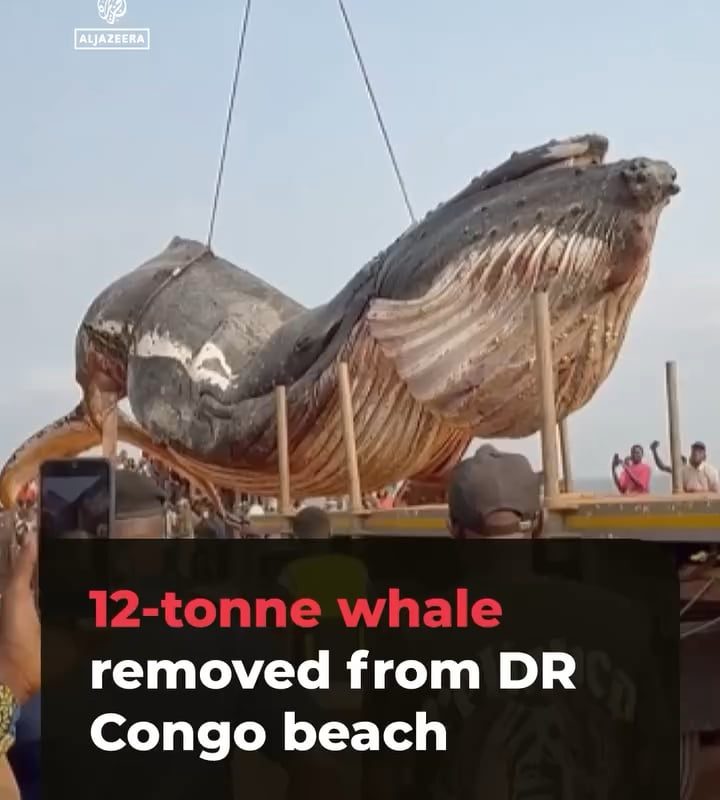
That’s one massive whale.
I just stumbled upon an incredible story about a whale that’s left me speechless – and I’m excited to share it with you. The blue whale, in particular, is a marvel of nature that continues to fascinate scientists and marine enthusiasts alike. Reaching lengths of up to 100 feet and weighing over 200 tons, it’s not only the largest animal on our planet but also one of the most mysterious. From its massive size to its unique feeding habits, there’s so much to learn about these gentle giants. Let’s dive in and explore what makes them so incredible.
The Science Behind Their Size
So, what makes blue whales grow to such enormous sizes? It all comes down to their diet and feeding habits. These whales are filter feeders, which means they use their baleen plates to strain tiny krill and other organisms from the water. They can consume up to 40 million krill in a single day, which is equivalent to eating around 2,000 pounds of food. This massive intake of nutrients allows them to grow and sustain their enormous size. But it’s not just their diet that’s interesting – their size also plays a crucial role in their ability to survive in the harsh ocean environment. By being so large, they’re able to conserve heat and energy, which is essential for their survival in cold waters.
Conservation Efforts
Unfortunately, blue whales are facing numerous threats in the wild, including habitat destruction, ship strikes, and entanglement in fishing nets. As a result, conservation efforts are underway to protect these magnificent creatures. The International Union for Conservation of Nature (IUCN) has listed blue whales as an endangered species, and many organizations are working to reduce human impact on their habitats. From implementing stricter shipping regulations to promoting sustainable fishing practices, there are many ways we can help protect these incredible animals. By supporting conservation efforts and spreading awareness about the importance of marine conservation, we can all play a role in ensuring the long-term survival of blue whales.
Fascinating Facts
Despite their massive size, blue whales are incredibly agile and can reach speeds of up to 30 miles per hour when needed. They’re also known for their unique vocalizations, which can be heard for hundreds of miles. In fact, scientists believe that blue whales may be able to communicate with each other across entire ocean basins, which is a truly mind-boggling concept. With their massive size, intelligent behavior, and fascinating social structures, it’s no wonder why blue whales continue to captivate scientists and marine enthusiasts alike.
As I finish writing about these incredible creatures, I’m reminded of just how much we still have to learn about our ocean and its inhabitants. The blue whale is a true marvel of nature, and its story is a testament to the awe-inspiring complexity and beauty of our planet. By continuing to explore, learn, and protect these incredible animals, we can help ensure that future generations will be able to appreciate their majesty for years to come.