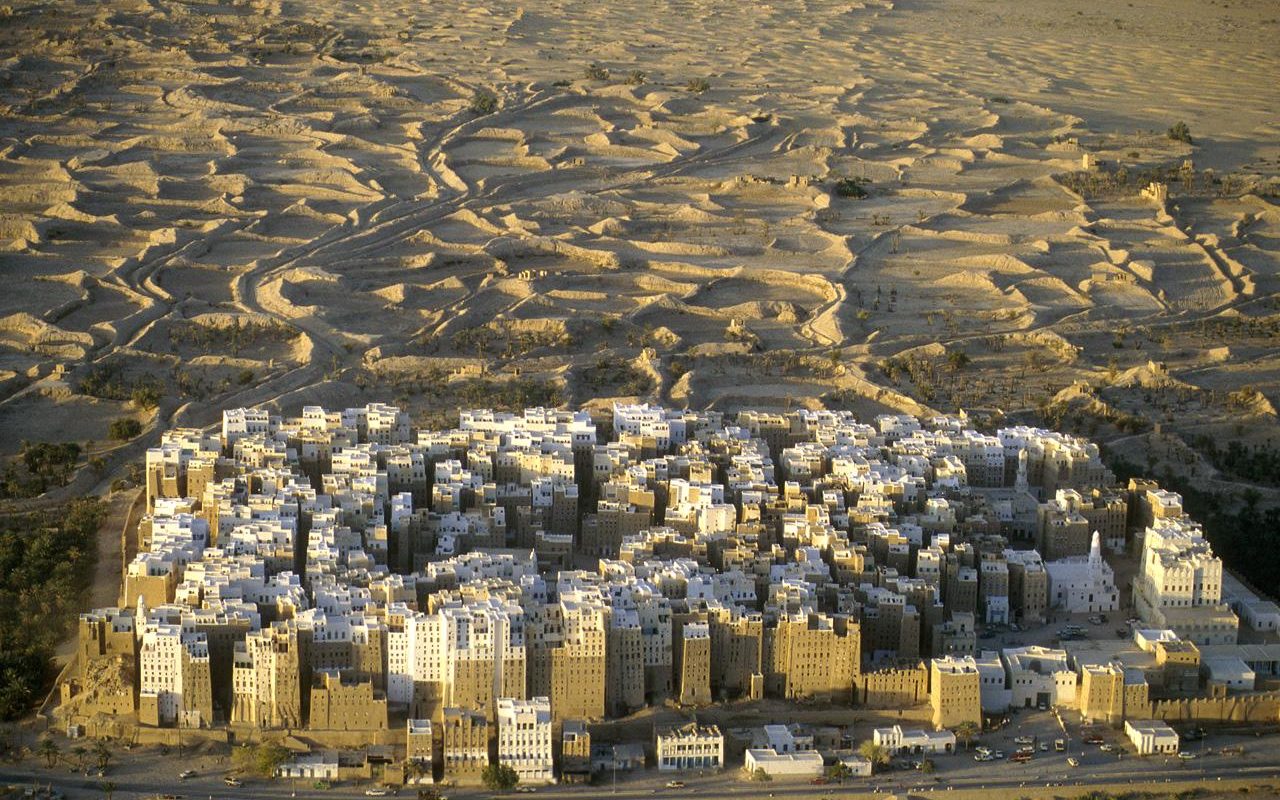
The ancient skyscraper city of Shiban in Yemen. Towers up to 40 metres/130 feet built with mud and still standing.
As I delved into the history of ancient civilizations, I stumbled upon a fascinating tale of a skyscraper city that has left me in awe. Imagine a city with towering structures that rival the heights of modern-day buildings, but with a twist – they’re made of mud. Welcome to the ancient city of Shibam in Yemen, a marvel of engineering that has stood the test of time. The city’s skyline is dominated by mud-brick towers that stretch up to 40 metres or 130 feet into the air, a testament to the ingenuity and skill of its ancient inhabitants. As I explored the story behind this incredible city, I couldn’t help but wonder – how did they manage to build such towering structures with mud, and what’s the secret to their enduring presence?
The History of Shibam
Shibam, also known as the “Manhattan of the Desert”, has a rich history that dates back to the 2nd century AD. The city was an important stopover on the ancient trade route between the Mediterranean and India, and its strategic location made it a hub of commerce and culture. The city’s unique architecture is a result of its location in a valley, where the surrounding mountains made it vulnerable to floods. To protect themselves from the raging waters, the inhabitants of Shibam built their homes on higher ground, using mud and straw to construct towering buildings that would become the hallmark of the city. Over time, the city grew and prospered, with its mud-brick towers becoming a symbol of its resilience and determination.
The Science Behind the Mud-Brick Towers
So, how did the ancient inhabitants of Shibam manage to build such towering structures with mud? The secret lies in the unique properties of the mud used in the construction process. The mud, which is rich in clay and silt, is mixed with straw and water to create a strong and durable building material. The mixture is then shaped into bricks, which are dried in the sun to create a hard and resistant material. The towers are built using a combination of mud-bricks and wooden beams, with the mud-bricks providing the structural support and the wooden beams adding additional strength and stability. The result is a building material that is not only strong and durable but also resistant to earthquakes and other natural disasters.
Preservation and Legacy
Today, Shibam is a UNESCO World Heritage Site, and its mud-brick towers continue to inspire wonder and awe in all who visit. Despite being built over 1,000 years ago, the towers remain standing, a testament to the ingenuity and skill of their ancient builders. The city’s preservation is a result of the efforts of local authorities and international organizations, who have worked tirelessly to protect the site from damage and erosion. As we marvel at the towering mud-brick structures of Shibam, we are reminded of the importance of preserving our cultural heritage and the incredible achievements of our ancestors. The city’s legacy is a powerful reminder of the ingenuity and creativity of human beings, and the incredible things that can be achieved with determination and hard work.
As I concluded my journey through the ancient city of Shibam, I couldn’t help but feel a sense of reverence for the people who built this incredible place. The mud-brick towers of Shibam are more than just a testament to the ingenuity of its ancient inhabitants – they are a reminder of the power of human creativity and the importance of preserving our cultural heritage for future generations. As we continue to push the boundaries of what is possible with modern technology and materials, the ancient city of Shibam stands as a powerful reminder of the incredible things that can be achieved with determination, hard work, and a little bit of mud.