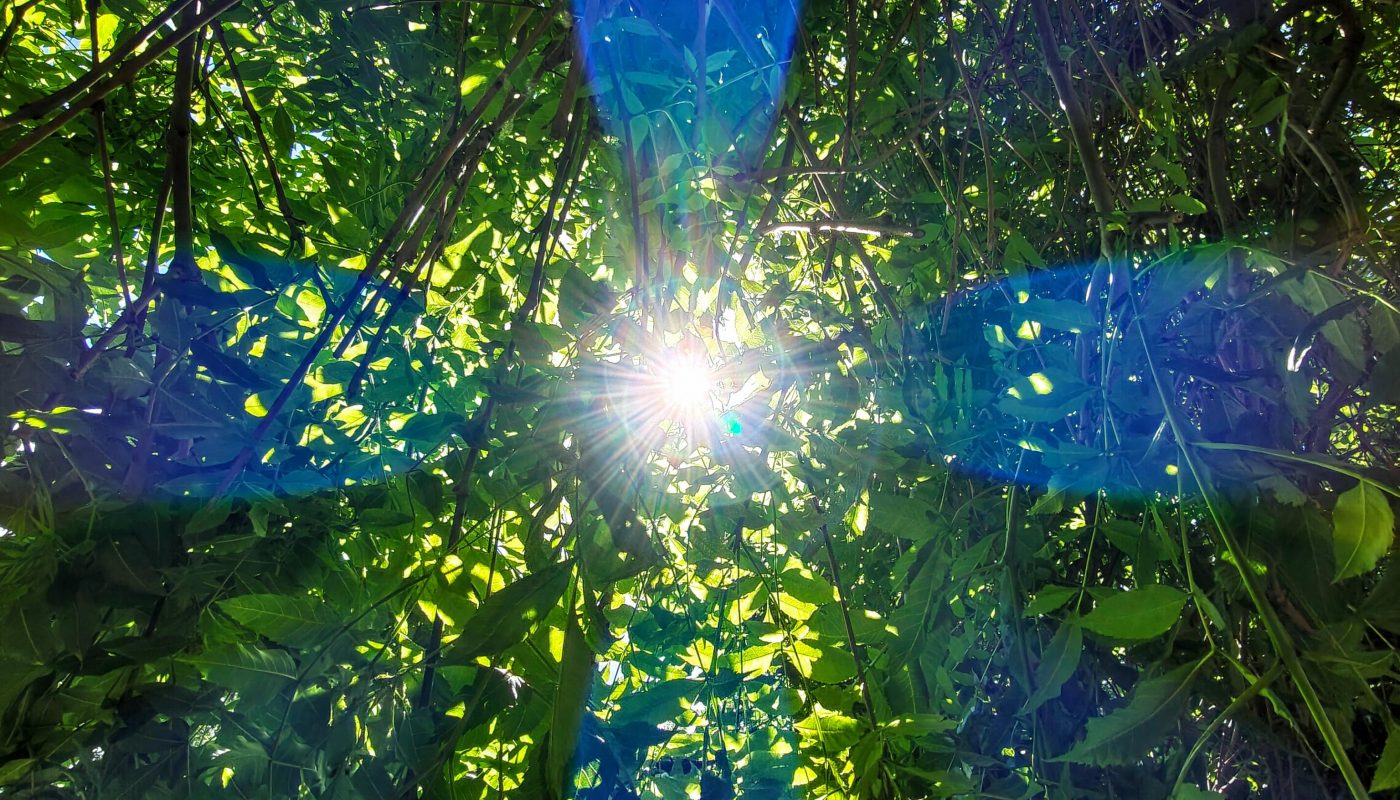
The blue aberrations in my tree photo
I still remember the day I took that stunning photo of my tree – the sunlight was filtering through the leaves, casting dappled shadows on the ground, and the branches were swaying gently in the breeze. But when I looked closer at the photo, I noticed something strange – tiny blue aberrations scattered throughout the image. At first, I thought it was just a glitch or a problem with my camera, but as I delved deeper, I discovered a fascinating story behind these mysterious blue dots.
The Science of Chromatic Aberration
It turns out that the blue aberrations in my photo are a result of a phenomenon called chromatic aberration. This occurs when light passes through a lens and is split into its individual colors, causing the different wavelengths to bend at slightly different angles. As a result, the colors don’t quite line up, creating a distorted image with colorful fringes or dots. In my case, the blue dots are likely a result of the lens struggling to focus the shorter, blue wavelengths of light. It’s a common issue in photography, but one that can be minimized with the right equipment and techniques.
A Closer Look at the Camera’s Lens
As I learned more about chromatic aberration, I became curious about the camera’s lens and how it contributes to this effect. It turns out that the lens is made up of multiple elements, each with its own refractive index and dispersion characteristics. When light passes through these elements, it’s split and bent in different ways, causing the colors to separate and create the aberrations. The type of lens, its quality, and even the aperture setting can all impact the severity of chromatic aberration. In my case, I was using a mid-range camera with a decent lens, but it’s clear that there’s room for improvement.
Uncovering the Artistic Potential
Despite the initial disappointment of seeing blue dots in my photo, I’ve come to appreciate the unique artistic quality they bring. In fact, some photographers deliberately introduce chromatic aberration into their images to create a dreamy, ethereal effect. By embracing the imperfections of the lens, they can add a touch of magic to their photos and create something truly distinctive. As I look at my tree photo again, I see the blue aberrations not as flaws, but as a reminder of the complex interplay between light, lens, and image.
As I reflect on my journey to understand the blue aberrations in my tree photo, I’m reminded of the beauty of imperfection and the fascinating science that underlies the art of photography. Whether you’re a seasoned photographer or just a curious observer, there’s always more to discover and appreciate in the world of images. And who knows – maybe those blue dots will become a signature element in my photography, a reminder to always look beyond the surface and uncover the hidden stories behind the scenes.