The chameleon’s eyes provide 360-degree vision due to their unique anatomy and the ability to switch between monocular and binocular vision
Have you ever wondered how some animals can seemingly see everything around them, as if they have eyes in the back of their head? Well, the chameleon is one such creature that has fascinated humans for centuries with its incredible ability to see its surroundings in a way that’s almost like having a built-in surveillance system. The secret to this amazing ability lies in the chameleon’s eyes, which are capable of providing a stunning 360-degree vision. But how do they do it? Let’s dive into the fascinating world of chameleon vision and explore the unique anatomy and abilities that make it all possible.
The Unique Anatomy of Chameleon Eyes
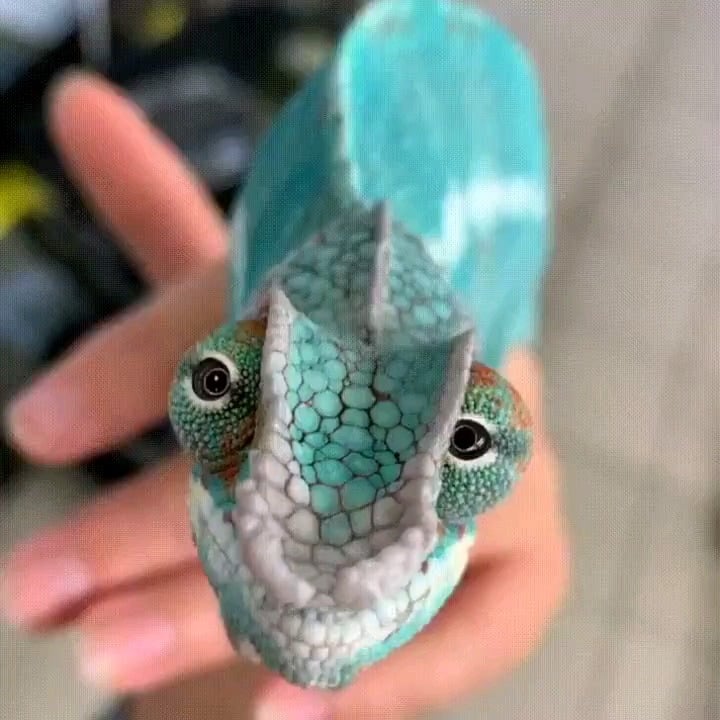
The chameleon’s eyes are unlike any other animal’s, with a unique anatomy that allows them to move independently of each other. Each eye is capable of rotating a full 180 degrees, giving the chameleon an almost limitless field of vision. But that’s not all – the eyes are also capable of focusing on different objects at the same time, allowing the chameleon to see both near and far objects with incredible clarity. This is made possible by the shape of the eye itself, which is more tubular than spherical, allowing for a wider field of vision and greater flexibility.
Switching Between Monocular and Binocular Vision
But what really sets the chameleon’s eyes apart is their ability to switch between monocular and binocular vision. When the chameleon is scanning its surroundings for potential threats or prey, it uses monocular vision, where each eye is focused on a different object. This allows the chameleon to take in a wide field of vision and detect even the slightest movements. But when the chameleon is focusing on a specific object, such as a tasty insect, it switches to binocular vision, where both eyes are focused on the same object. This allows the chameleon to judge distances and depths with incredible accuracy, making it a formidable hunter.
The Benefits of 360-Degree Vision
So what are the benefits of having 360-degree vision? For the chameleon, it’s a matter of survival. With its ability to see its surroundings in stunning detail, the chameleon can detect potential threats from all angles, making it a difficult prey for predators. It can also use its incredible vision to hunt for food, snatching insects from the air with lightning-fast speed and accuracy. But the chameleon’s 360-degree vision also allows it to navigate its environment with ease, making it a highly adaptable and successful species.
In conclusion, the chameleon’s eyes are truly one of the most fascinating and unique features in the animal kingdom. With their ability to provide 360-degree vision, switch between monocular and binocular vision, and focus on objects with incredible clarity, it’s no wonder that the chameleon has been able to thrive in its environment. Whether you’re a scientist, a nature lover, or simply someone who appreciates the amazing diversity of life on Earth, the chameleon’s eyes are sure to captivate and inspire. So next time you see a chameleon, take a closer look at those incredible eyes – you might just learn something new and amazing!