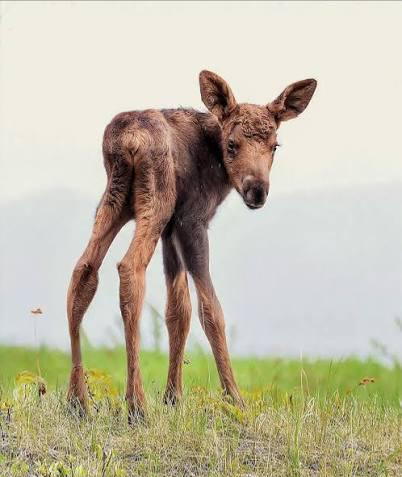
The incredibly long legs of a baby moose
I still remember the first time I saw a picture of a baby moose – I couldn’t believe my eyes! Those incredibly long legs looked like they belonged on a different animal altogether. It was as if this little creature was all legs and no body, like a gangly, adorable stick insect. But what really caught my attention was the fact that these long legs are not just a cute quirk – they’re actually a vital part of a baby moose’s survival strategy. As I delved deeper into the world of these amazing animals, I discovered that their legs are just one of the many fascinating features that make them so well adapted to their environment.
The Science Behind the Legs
Baby moose, also known as calves, are born with their famous long legs, which can be up to 30 inches long. But why do they need such long legs? The answer lies in their habitat – the dense, wet forests of North America. You see, baby moose are born in the spring, when the snow is still melting and the ground is soggy and uneven. Their long legs allow them to navigate this treacherous terrain with ease, keeping them safe from predators and helping them to reach the best feeding grounds. It’s also worth noting that baby moose are able to walk within the first hour of birth, which is pretty impressive considering their spindly legs. This ability to get up and moving quickly is crucial for their survival, as it allows them to follow their mothers to safety and start feeding on milk and plants as soon as possible.
Growing Up Moose
As baby moose grow and develop, their legs continue to play a vital role in their lives. They use them to run from predators, jump over obstacles, and even swim across rivers. In fact, moose are excellent swimmers, and their long legs help them to propel themselves through the water with ease. But it’s not just about the physical benefits – the long legs of a baby moose also have a profound impact on their social development. You see, moose are very social animals, and they use their legs to communicate with each other. They will often use body language, such as leg positions and movements, to convey messages and express emotions. It’s a complex and fascinating language that is still not fully understood by humans.
A Symbol of Resilience
Despite their many adaptations, baby moose still face many challenges in the wild. They are vulnerable to predators, harsh weather conditions, and human activities such as hunting and habitat destruction. However, their incredibly long legs are a testament to their resilience and ability to thrive in difficult environments. As we learn more about these amazing animals, we are reminded of the importance of preserving their habitats and protecting their populations. By studying the unique features of baby moose, such as their long legs, we can gain a deeper appreciation for the natural world and our place within it.
In the end, the incredibly long legs of a baby moose are more than just a curious feature – they’re a reminder of the amazing diversity and complexity of the natural world. Whether you’re a seasoned wildlife enthusiast or just someone who loves animals, it’s hard not to be charmed by these gangly, adorable creatures. So next time you’re out in the woods, keep an eye out for these amazing animals, and remember the important role that their long legs play in their survival and success.