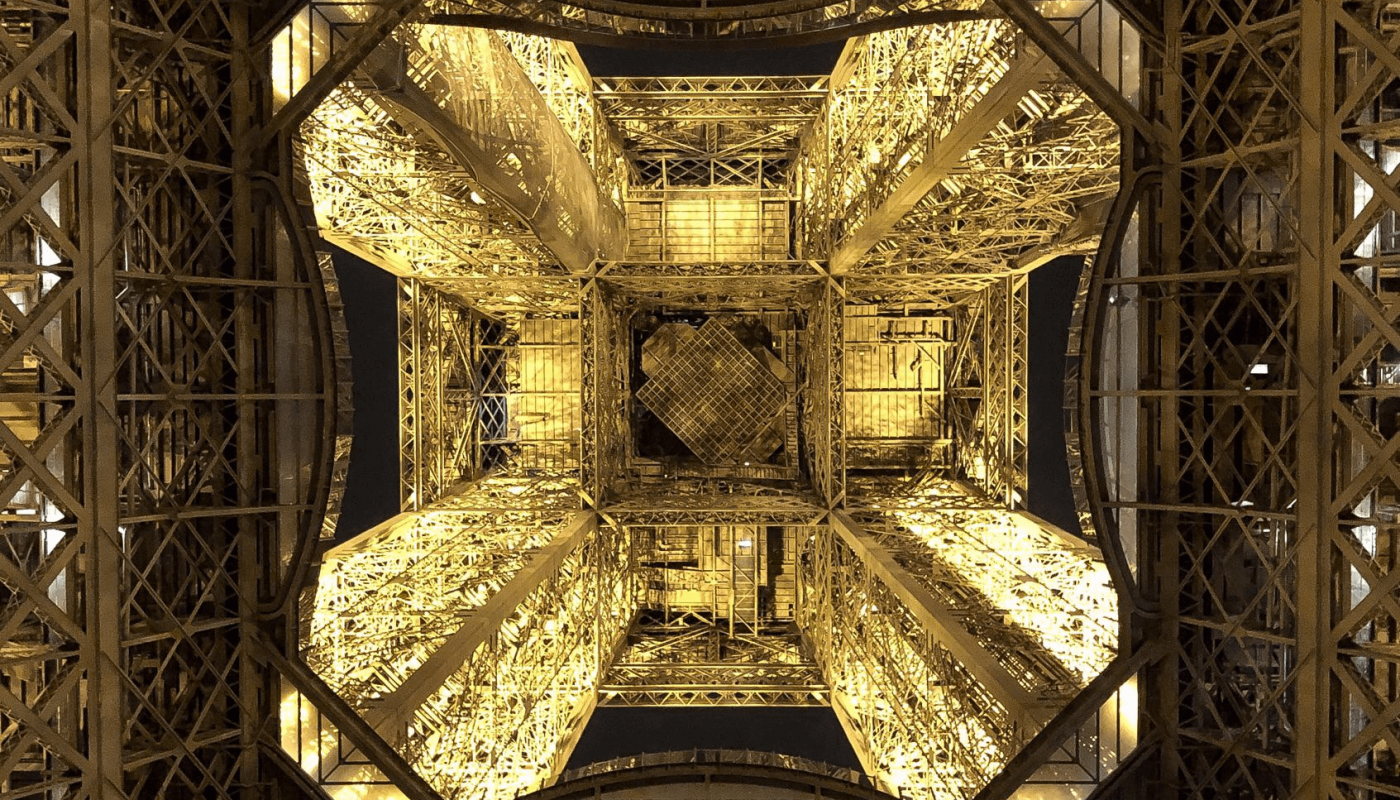
The kaleidoscopic geometry of the Eiffel Tower.
As I stood before the Eiffel Tower, I couldn’t help but be mesmerized by its intricate latticework design, a symphony of interlocking girders that seemed to dance in the fading light of day. The tower’s beauty is more than skin deep, for beneath its elegant curves and lines lies a fascinating tale of mathematical precision and innovative engineering. The Eiffel Tower’s kaleidoscopic geometry is a testament to human ingenuity, a masterclass in the art of combining form and function to create something truly sublime. As we delve into the tower’s fascinating backstory, we begin to appreciate the intricate web of science, art, and history that underpins this beloved landmark.
The Birth of a Icon
The Eiffel Tower was born out of a desire to create a centerpiece for the 1889 World’s Fair, a celebration of French culture and innovation that would showcase the country’s engineering prowess to the world. Gustave Eiffel, the tower’s namesake designer, was tasked with creating a structure that would not only be an iconic symbol of French pride but also a marvel of modern engineering. Eiffel’s solution was to use a lattice-like design, comprising over 18,000 pieces of wrought iron, to create a tower that was both strong and lightweight. This innovative approach allowed the tower to reach unprecedented heights, a staggering 324 meters into the air, and paved the way for the development of modern skyscrapers.
Mathematical Marvel
The Eiffel Tower’s geometry is a masterclass in mathematical precision, with each girder and beam carefully calibrated to distribute the tower’s weight evenly. The tower’s four main pillars are anchored to the ground, supporting a complex network of interlocking girders that provide exceptional strength and stability. As the tower rises, the latticework design becomes increasingly intricate, with each level featuring a series of curved and angled beams that add to the structure’s overall sense of dynamism. This symphony of shapes and lines is not just aesthetically pleasing; it also plays a crucial role in the tower’s ability to withstand strong winds and other external forces.
A Lasting Legacy
Today, the Eiffel Tower stands as one of the most recognizable landmarks in the world, a testament to the power of human ingenuity and creativity. As we gaze upon its towering form, we are reminded of the incredible story behind its creation, a story that involves a perfect blend of art, science, and engineering. The Eiffel Tower’s kaleidoscopic geometry continues to inspire wonder and awe in all who see it, a lasting legacy that will endure for generations to come. Whether you’re an engineer, an artist, or simply a curious observer, the Eiffel Tower is a reminder that even the most complex and ambitious projects can be achieved with determination, creativity, and a passion for innovation.
As I stood before the Eiffel Tower, now bathed in the golden light of sunset, I felt a deep sense of appreciation for the incredible story behind this beloved landmark. The tower’s kaleidoscopic geometry is more than just a pretty face; it’s a reflection of the human spirit’s boundless capacity for creativity, innovation, and progress. As the stars begin to twinkle in the night sky, the Eiffel Tower stands tall, a shining beacon of inspiration that will continue to captivate and inspire us for generations to come.