The way these seeds are dyed
I still remember the first time I stumbled upon a packet of beautifully colored seeds – I was immediately captivated by the vibrant hues and couldn’t help but wonder, how on earth did they manage to dye these tiny seeds so perfectly? It turns out, the process of dyeing seeds is a fascinating blend of art, science, and patience. From the type of dye used to the intricate steps involved, every detail plays a crucial role in achieving those stunning colors. As I delved deeper into the world of seed dyeing, I discovered that it’s not just about aesthetics – the dyeing process can also affect the seed’s viability and overall quality.
The Art of Seed Dyeing
The journey of dyeing seeds begins with selecting the right type of dye. There are two main categories: natural and synthetic dyes. Natural dyes, derived from plants and minerals, are often preferred for their eco-friendly and non-toxic properties. However, they can be more unpredictable and may not produce consistent results. Synthetic dyes, on the other hand, offer a wider range of colors and are generally more lightfast, but they can be harmful to the environment and human health. The choice of dye ultimately depends on the intended use of the seeds – whether it’s for crafting, gardening, or scientific research.
The Science Behind the Colors
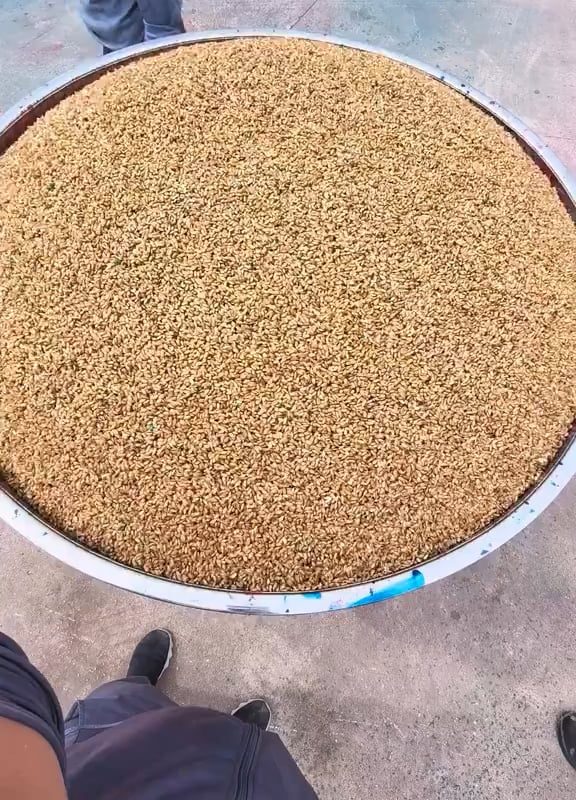
Once the dye is selected, the seeds are prepared for the dyeing process. This involves cleaning and sorting the seeds to ensure they are free of debris and uniform in size. The seeds are then soaked in a solution of water and dye, where they absorb the color. The length of time the seeds are soaked, as well as the temperature and pH of the solution, all impact the final color. It’s a delicate balance – too little dye and the color may not be vibrant enough, while too much can damage the seed’s viability. The science behind seed dyeing is intricate, and even small variations can affect the outcome.
A Labor of Love
Despite the challenges, many seed dyers are passionate about their craft, and the process can be incredibly rewarding. From experimenting with new dye combinations to carefully monitoring the seeds as they absorb the color, every step requires attention to detail and a willingness to learn. Whether it’s a small-scale operation or a large commercial venture, the art of seed dyeing is a labor of love that requires patience, dedication, and a deep appreciation for the beauty of nature. As I continue to explore the world of colored seeds, I’m reminded that even the smallest details can hold the greatest wonders – and sometimes, it’s the journey, not the destination, that’s the most fascinating part.
As I reflect on my journey into the world of seed dyeing, I’m struck by the complexity and beauty of this often-overlooked process. From the careful selection of dyes to the meticulous steps involved in achieving the perfect color, every aspect of seed dyeing is a testament to human ingenuity and creativity. Whether you’re a gardener, a crafter, or simply someone who appreciates the beauty of nature, the story of colored seeds is sure to captivate and inspire – and who knows, you may just find yourself enchanted by the tiny, vibrant world of dyed seeds.