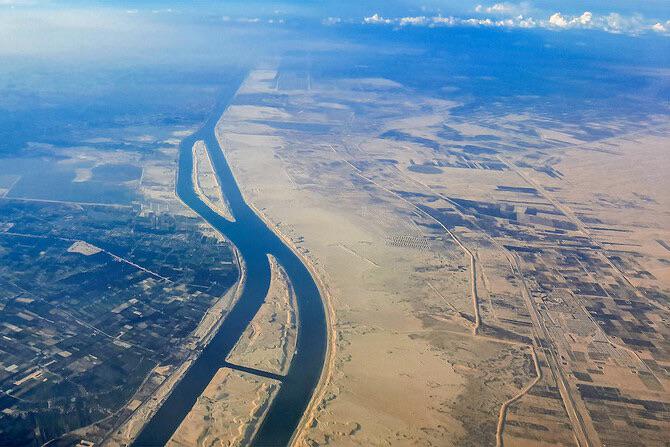
This 200 meter wide canal, known as the Suez Canal, is what Seperates Africa From Asia.
I still remember the first time I heard about the Suez Canal – I was amazed that a tiny strip of water, just 200 meters wide, could be the dividing line between two massive continents, Africa and Asia. It’s hard to wrap your head around the fact that this narrow canal, which stretches for 193 kilometers, has been a crucial passage for international trade and commerce for over a century. As I delved deeper into the story of the Suez Canal, I discovered a fascinating history that’s full of intrigue, innovation, and global significance.
A Man-Made Marvel
The Suez Canal is an incredible feat of engineering that was first opened in 1869. The idea of building a canal to connect the Mediterranean Sea to the Red Sea had been around for thousands of years, but it wasn’t until the 19th century that the technology and resources were available to make it a reality. The construction of the canal was a massive undertaking that required the labor of thousands of workers, who had to dig and excavate the canal by hand. The end result was a waterway that allowed ships to travel between Europe and Asia without having to navigate around Africa, saving time, fuel, and lives.
A Global Crossroads
Today, the Suez Canal is one of the busiest shipping lanes in the world, with over 17,000 vessels passing through it every year. The canal is a vital artery of international trade, with goods such as oil, natural gas, and containers full of electronics and clothing making their way through it. The Suez Canal is also an important symbol of global connectivity, representing the flow of ideas, cultures, and economies between different regions of the world. As you stand on the banks of the canal, watching the giant ships glide effortlessly through the water, you can’t help but feel a sense of awe at the sheer scale and complexity of the global economy.
A Natural Wonder
Despite being a man-made structure, the Suez Canal is also a natural wonder that has had a profound impact on the environment and ecosystem of the region. The canal has allowed species of fish and other marine life to migrate between the Mediterranean and the Red Sea, creating a unique and diverse ecosystem that is found nowhere else on Earth. The Suez Canal has also played a crucial role in shaping the geology and geography of the region, with the constant flow of water and sediment creating a dynamic and ever-changing landscape. As we continue to navigate the complexities of the modern world, the Suez Canal remains an important reminder of the power and beauty of human ingenuity and the natural world.
As I reflect on the Suez Canal, I’m struck by the realization that this tiny strip of water has had a profound impact on the course of human history. From its humble beginnings as a dusty, excavated trench to its current status as a global superhighway, the Suez Canal is a testament to the power of human creativity, perseverance, and innovation. Whether you’re an engineer, a historian, or simply someone who’s curious about the world, the Suez Canal is a fascinating topic that’s sure to captivate and inspire.