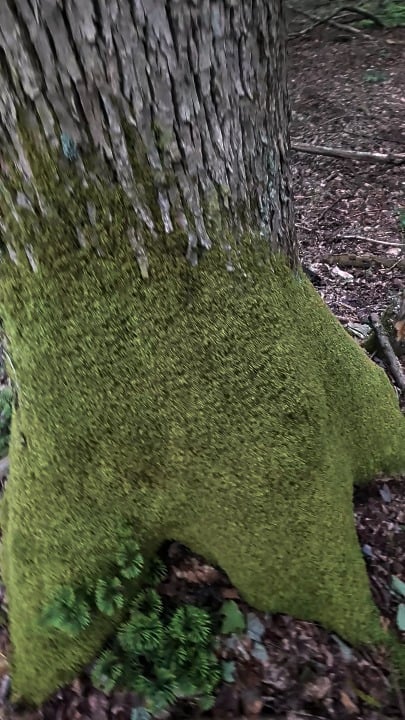
This spongy moss I just had to touch!
As I wandered through the forest, my fingers trailed along the trees, taking in the intricate patterns of the bark and the softness of the leaves. But then, I saw it – a vibrant green carpet of spongy moss, inviting me to touch its plush texture. I couldn’t resist the urge to reach out and feel its softness, and as my fingers made contact, I felt a sense of wonder and curiosity. What was this magical moss, and how did it come to be so soft and squishy? I delved deeper into the world of moss, and what I discovered was fascinating.
The Ancient History of Moss
Moss has been around for over 470 million years, with fossil records showing that it was one of the first plants to colonize the land. These tiny, non-vascular plants played a crucial role in shaping our planet’s ecosystem, providing a habitat for early insects and animals. Over time, moss has evolved into thousands of different species, each with its unique characteristics and adaptations. The spongy moss I touched was likely a type of sphagnum moss, which is known for its ability to hold large amounts of water and create a humid microclimate. This unique property allows sphagnum moss to thrive in damp environments, such as bogs and forests, where other plants would struggle to survive.
The Science Behind the Softness
So, what makes moss so soft and spongy? The answer lies in its unique cellular structure. Moss leaves are made up of tiny, delicate cells that are filled with water. These cells are arranged in a way that creates a network of tiny air pockets, which gives moss its spongy texture. When I touched the moss, the cells compressed slightly, releasing some of the water and creating a sense of softness. This property also allows moss to act as a natural sponge, absorbing and storing water, which is then released slowly, providing a steady supply of moisture to the surrounding environment.
Moss in the Modern World
Despite its ancient history, moss is still an important part of our modern world. It plays a crucial role in many ecosystems, providing a habitat for insects and animals, and helping to regulate the water cycle. Moss is also used in a variety of applications, from gardening and landscaping to art and design. Some species of moss are even used in the production of medicines and cosmetics, due to their unique properties and compounds. As I stood there, touching the soft moss, I felt a sense of connection to the natural world and a deeper appreciation for the tiny, often-overlooked plants that surround us.
As I continued on my journey, I couldn’t help but feel grateful for the chance encounter with the spongy moss. It had opened my eyes to a whole new world of fascinating plants and ecosystems, and reminded me of the importance of slowing down and appreciating the small wonders that surround us. The next time you’re out in nature, take a moment to touch the moss – you never know what secrets it might hold, or what wonders it might inspire.