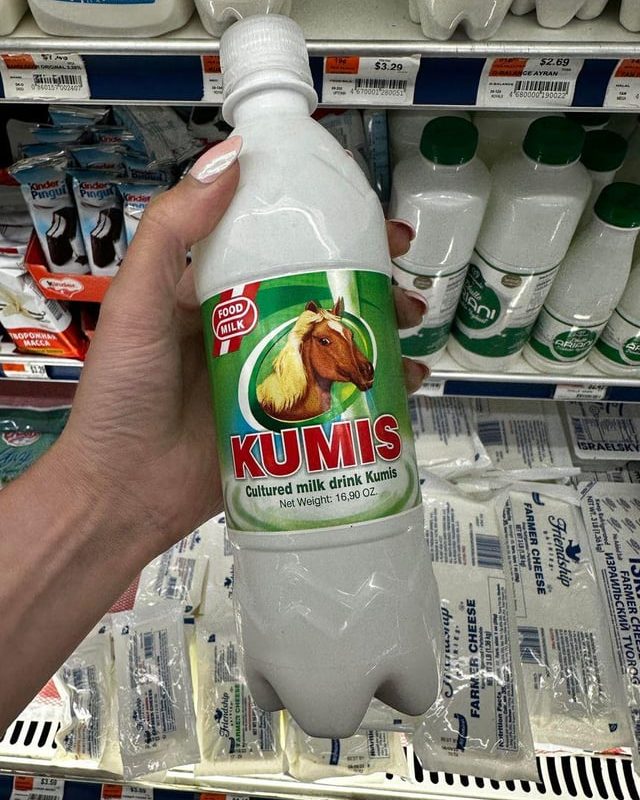
This traditional Central Asian drink called Kumis is made from fermented horse’s milk and has tangy taste with a light, champagne-like fizziness and a subtle nutty or almond-like finish and is a mildly alcoholic.
As I delved into the world of traditional Central Asian drinks, I stumbled upon a fascinating beverage that has been a staple in the region for centuries – Kumis. This ancient drink is made from fermented horse’s milk, which may sound unusual to some, but trust me, its unique taste and properties are definitely worth exploring. With a tangy taste, a light, champagne-like fizziness, and a subtle nutty or almond-like finish, Kumis is a mildly alcoholic drink that will leave you wanting more. But what’s even more intriguing is the rich history and cultural significance behind this traditional drink.
The Origins of Kumis
Kumis has been a part of Central Asian culture for thousands of years, with its origins dating back to the nomadic tribes of the region. The drink was initially consumed by the Mongols and other nomadic groups, who valued its nutritional and medicinal properties. The fermentation process involved in making Kumis was also believed to have spiritual significance, with the drink being offered to guests as a sign of hospitality and respect. Today, Kumis is still an important part of Central Asian traditions, with many families continuing to make the drink at home using traditional methods and recipes.
The Science Behind Kumis
So, what makes Kumis so unique? The answer lies in the fermentation process, which involves the action of bacteria and yeast on the horse’s milk. The lactose in the milk is converted into lactic acid, carbon dioxide, and ethanol, giving Kumis its distinctive tangy taste and fizzy texture. The type of bacteria and yeast used in the fermentation process can also affect the flavor and nutritional content of the drink, with some varieties containing probiotics and other beneficial compounds. Additionally, the horse’s milk used to make Kumis is rich in nutrients, including protein, calcium, and vitamins, making it a nutritious and refreshing beverage.
Experiencing Kumis
For those who are adventurous enough to try Kumis, the experience can be truly unforgettable. The drink is often served chilled, with a foamy head and a refreshing fizziness that’s similar to champagne. The tangy taste can be a bit of an acquired taste, but the subtle nutty or almond-like finish adds a depth and complexity to the drink that’s hard to resist. Whether you’re trying Kumis for the first time or are a seasoned fan, the drink is sure to leave a lasting impression. With its rich history, unique flavor, and cultural significance, Kumis is a true gem of Central Asian cuisine that’s waiting to be discovered.
As I concluded my journey into the world of Kumis, I couldn’t help but feel a sense of awe and appreciation for this traditional Central Asian drink. With its rich history, unique flavor, and cultural significance, Kumis is a true treasure that’s worth exploring. Whether you’re a foodie, a history buff, or simply someone who loves trying new things, Kumis is definitely a drink that’s worth experiencing. So, if you ever find yourself in Central Asia or come across a bottle of Kumis at your local store, be sure to give it a try – you never know, you might just discover a new favorite drink!