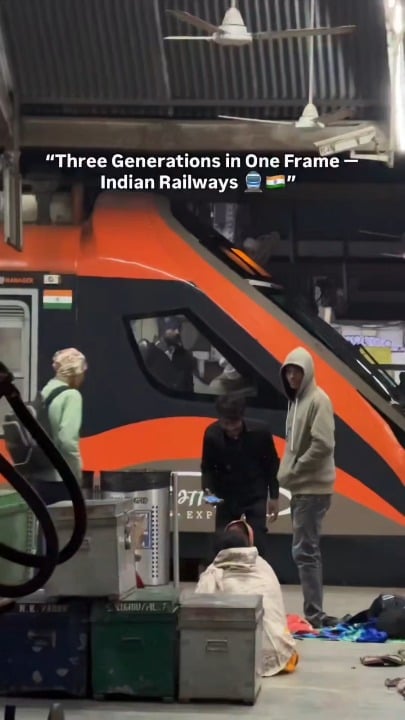
Three generations of Indian Trains lined up.
As I stood on the platform, I couldn’t help but feel a sense of awe at the sight before me – three generations of Indian trains lined up, each one a testament to the country’s rich railway history. From the vintage steam engines to the sleek, modern electric trains, it was like witnessing a timeline of innovation and progress unfold before my eyes. I wondered about the stories these trains could tell, the journeys they had undertaken, and the people they had connected over the years. As I delved deeper into the history of Indian trains, I discovered a fascinating tale of perseverance, adaptation, and transformation.
A Legacy of Steam
The earliest trains in India were steam-powered, introduced by the British in the mid-19th century. These trains were the backbone of the country’s transportation system, connecting major cities and towns, and facilitating the growth of trade and commerce. The steam engines were massive, with intricate mechanisms and a distinctive chugging sound that still evokes a sense of nostalgia in many Indians. As I looked at the vintage train before me, I marveled at the craftsmanship and attention to detail that had gone into its construction. The steam engine was a marvel of its time, a testament to human ingenuity and the desire to connect people and places.
The Diesel Era
The next generation of trains was powered by diesel, a significant improvement over steam in terms of efficiency and speed. The diesel trains were introduced in the mid-20th century and quickly became the workhorses of the Indian railway system. They were faster, more reliable, and required less maintenance than their steam-powered predecessors. As I examined the diesel train, I noticed the sleeker design and the more modern features that had been incorporated into its construction. The diesel era marked a significant shift in the way people traveled, with faster journey times and increased comfort becoming the norm.
The Electric Age
The latest generation of trains is electric, a testament to India’s commitment to modernization and sustainability. The electric trains are faster, cleaner, and more efficient than their predecessors, with advanced features like air conditioning and comfortable seating. As I looked at the electric train, I was struck by its sleek, aerodynamic design and the sophisticated technology that powered it. The electric age has revolutionized the way people travel in India, with high-speed trains connecting major cities and reducing journey times significantly. As I stood on the platform, watching the three generations of trains lined up before me, I felt a sense of pride and wonder at the incredible journey that Indian railways had undertaken.
As I walked away from the platform, I couldn’t help but feel grateful for the opportunity to witness this incredible spectacle. The three generations of Indian trains lined up before me were more than just machines – they were a testament to the country’s rich history, its people’s perseverance, and its commitment to progress and innovation. Each train had a story to tell, a journey to share, and a legacy to leave behind. As I disappeared into the crowd, I knew that I would never forget this experience, and the sense of awe and wonder that it had inspired in me.