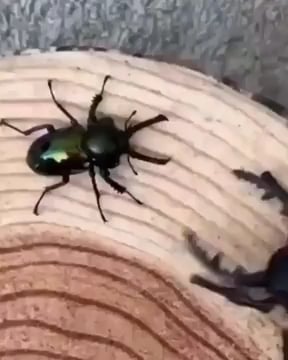
When a robot bug encounters a real bug
Imagine a world where robots and insects coexist, and a chance encounter between a robotic bug and a real one sparks a fascinating interaction. This might sound like the plot of a sci-fi movie, but it’s actually a scenario that’s being explored in the field of robotics and entomology. As we continue to develop robots that can mimic the movements and behaviors of insects, we’re also learning more about the intricate social dynamics of the bug world. What happens when a robot bug, designed to blend in with its natural counterparts, meets a real bug? Do they communicate, interact, or simply ignore each other?
Robotic Insects: The Imitation Game
Robotics engineers have been working tirelessly to create robots that can mimic the movements and behaviors of insects. These robotic bugs are designed to be incredibly lifelike, with some models even featuring delicate wings and agile legs. But why go to such great lengths to create robots that can impersonate insects? The answer lies in the potential applications of these robots. For example, robotic bugs could be used to pollinate plants, inspect crops, or even search for survivors in disaster scenarios. By studying the behaviors of real insects, engineers can develop robots that are better equipped to navigate complex environments and interact with their surroundings.
The Science of Bug Interactions
When a robot bug encounters a real bug, the interaction is often surprising and unpredictable. Scientists have observed that some insects will actively interact with robotic bugs, while others will ignore them or even become aggressive. This variability in response is due to the complex social dynamics of the insect world. You see, insects use a range of cues to communicate with each other, including chemical signals, visual cues, and even vibrations. Robotic bugs can be designed to mimic these cues, allowing them to interact with real insects in a more natural way. But what does this mean for our understanding of insect behavior, and how can we use this knowledge to develop more effective robotic bugs?
Implications and Future Directions
The study of robot bug interactions with real bugs has significant implications for the field of robotics and beyond. By developing robots that can seamlessly interact with insects, we may be able to unlock new secrets of the natural world. For example, robotic bugs could be used to study the behavior of endangered insect species, or to develop more effective methods for controlling pest populations. As we continue to push the boundaries of what’s possible with robotic bugs, we’re also forced to confront the ethics of creating machines that can interact with and potentially influence the natural world. It’s a fascinating and complex topic, and one that’s sure to continue to evolve in the coming years.
As we consider the possibilities and implications of robot bug interactions, we’re reminded of the incredible complexity and beauty of the natural world. The encounter between a robot bug and a real bug may seem like a simple event, but it holds within it a wealth of fascinating science and potential applications. As we continue to explore this fascinating topic, we may uncover new secrets of the insect world, and develop innovative solutions to some of the world’s most pressing problems. The future of robotics and entomology is looking brighter than ever, and it’s an exciting time to be a part of this rapidly evolving field.