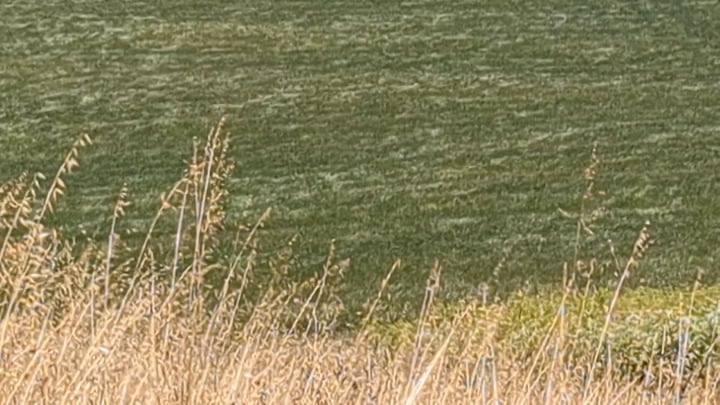
Wind blowing over a field of silage
As I stood at the edge of the field, I couldn’t help but feel a sense of awe at the sight before me. The wind was blowing gently over a sea of silage, the tall green plants swaying softly in the breeze. It was a peaceful, serene scene, but one that also held a deep fascination for me. I had always been curious about the process of creating silage, and the important role it plays in feeding our livestock. So, let’s dive in and explore the fascinating world of silage, and the science behind this incredible process.
The Art of Silage Making
Silage is a type of fermented feed made from grasses, legumes, or other crops, and is a crucial part of many farming operations. The process of making silage is a delicate one, requiring a deep understanding of the complex interactions between the plants, microorganisms, and environment. Farmers must carefully balance factors such as moisture levels, temperature, and oxygen levels to create the perfect conditions for fermentation to occur. It’s a bit like baking a cake, except instead of flour, sugar, and eggs, you’re working with tons of green plant material and a dash of microbial magic.
The Science of Fermentation
So, what exactly happens during the fermentation process? Well, it all starts with the plants themselves, which are rich in sugars and other nutrients. As the plants are chopped and compacted, they begin to break down, releasing their sugars and other compounds. This creates a perfect environment for microorganisms such as bacteria and yeast to thrive, feeding on the plant material and producing acids and other compounds as byproducts. It’s a natural process that’s been happening for thousands of years, and one that’s essential for preserving the nutritional value of the plants and making them palatable for livestock.
The Importance of Silage in Agriculture
Silage plays a vital role in many agricultural systems, providing a nutritious and reliable source of feed for livestock. It’s particularly important in regions where the growing season is short, or where droughts and other weather events can impact crop yields. By preserving crops as silage, farmers can ensure a steady supply of feed for their animals, even during times of scarcity. And it’s not just about food security – silage also helps to reduce waste and support more sustainable farming practices. As I stood there, watching the wind blow over the field of silage, I felt a deep appreciation for the hard work and dedication of farmers, and the incredible importance of this humble crop in our food system.
As I walked away from the field, the sound of the wind rustling through the silage still echoing in my ears, I couldn’t help but feel grateful for the opportunity to learn about this fascinating topic. The world of silage may seem mundane at first glance, but it’s a complex and fascinating realm that’s full of science, history, and importance. Whether you’re a farmer, a scientist, or simply someone who appreciates the beauty of the natural world, there’s no denying the allure of a field of silage, gently swaying in the breeze.