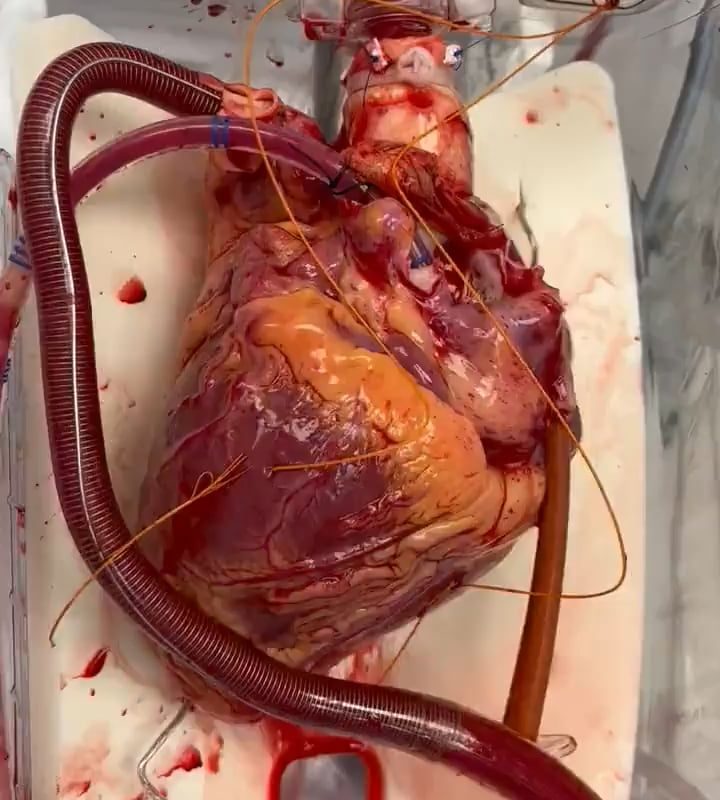
your human heart is awaiting transplant this is how it beats inside our body normally, 24/7
Imagine your heart, a vital organ that beats tirelessly inside your chest, pumping life-giving blood to every corner of your body. It’s a remarkable machine, really – one that works around the clock, never taking a break, and asking for nothing in return except a steady supply of oxygen and nutrients. But have you ever stopped to think about how it actually works? The intricate dance of muscles, valves, and electrical impulses that keep your heart beating, 24 hours a day, 7 days a week? It’s a fascinating story, and one that’s essential to understanding the incredible organ that keeps you alive.
The Beat Goes On
Your heart beats around 100,000 times per day, pumping over 2,000 gallons of blood through your body. That’s equivalent to filling a small swimming pool! But what’s even more amazing is the way it does it – with a rhythmic precision that’s almost musical. The heartbeat is triggered by an electrical impulse that originates in the sinoatrial node, a small group of cells in the right atrium. This impulse travels through the atria, causing them to contract, and then on to the ventricles, which pump blood out to the rest of the body. It’s an incredibly complex process, but one that happens so smoothly and efficiently that we rarely even notice it’s happening.
A Delicate Balance
But the heart is more than just a pump – it’s a highly sensitive and responsive organ that’s capable of adapting to changing conditions in the body. When you’re exercising, for example, your heart rate increases to deliver more oxygen and nutrients to your muscles. And when you’re resting, it slows down to conserve energy. This delicate balance is maintained by a complex interplay of hormones, nerves, and other signals that help to regulate the heart’s function. It’s a truly remarkable system, and one that’s essential to maintaining good health and wellbeing.
A Lifesaving Transplant
For some people, however, the heart’s incredible abilities are not enough. Heart disease, injury, or congenital conditions can all lead to heart failure, where the organ is no longer able to pump enough blood to meet the body’s needs. In these cases, a heart transplant may be the only option – a lifesaving procedure that involves replacing the diseased heart with a healthy one from a donor. It’s a remarkable medical achievement, and one that’s made possible by our growing understanding of the heart and its many functions. And yet, despite these advances, there’s still so much we don’t know about the heart – and so much more to discover.
As we go about our daily lives, it’s easy to take our hearts for granted – to assume that they’ll just keep on beating, without any effort or attention from us. But the truth is, our hearts are remarkable organs that deserve our appreciation and respect. So next time you feel your heart beating in your chest, take a moment to appreciate the incredible machinery that’s at work – and the amazing story of how it keeps you alive, 24 hours a day, 7 days a week.