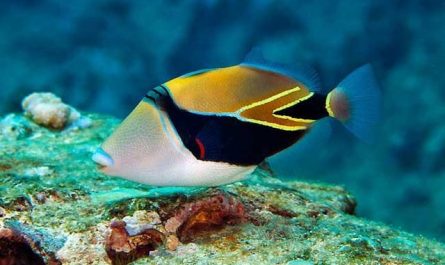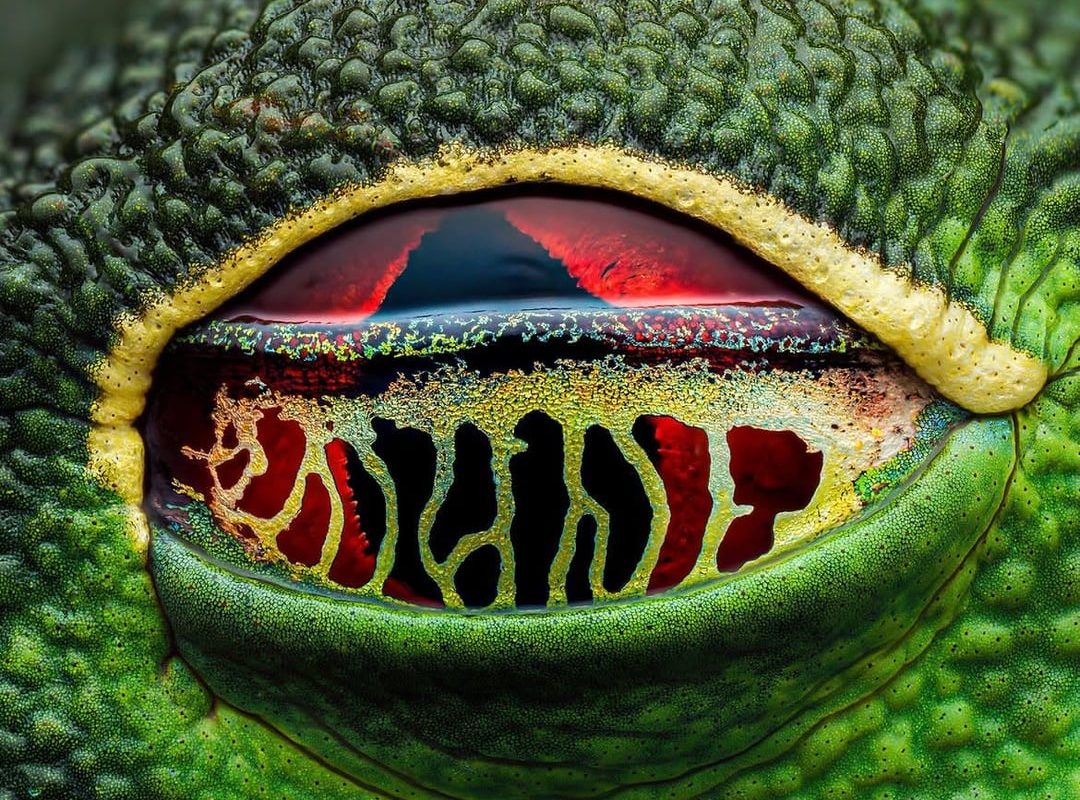
The most unreal eyes in the animal kingdom
Have you ever stopped to think about the incredible diversity of eyes in the animal kingdom? From the tiniest insects to the largest mammals, eyes come in all shapes and sizes, each with their own unique features and adaptations. But some eyes are truly one-of-a-kind, defying explanation and leaving us in awe of their sheer strangeness. Take, for example, the peacock mantis shrimp, whose eyes are said to be the most advanced in the animal kingdom, with the ability to see up to 12 different colors and perceive polarized light. Or the box jellyfish, whose eyes are made up of 24 individual lenses, giving it almost 360-degree vision. These are just a few examples of the many unreal eyes that can be found in nature.
The Eyes of the Deep
The deep sea is home to some of the most bizarre and fascinating eyes in the animal kingdom. The anglerfish, for example, has a fleshy growth on its head that is used as a lure to attract prey, and is covered in tiny, glowing spots that are actually highly sensitive eyes. The viperfish, on the other hand, has huge, telescope-like eyes that are sensitive to the faint glow of bioluminescent organisms in the dark depths of the ocean. And then there’s the colossal squid, whose eyes are said to be the largest of any animal, with some specimens having eyes that are up to 10 inches in diameter. These eyes are thought to be sensitive enough to detect the faint glow of a distant bioluminescent organism, allowing the squid to navigate and hunt in the dark depths of the ocean.
Eyes That See Beyond Our Own
Some animals have eyes that can see beyond the range of human vision, perceiving ultraviolet or infrared light that is invisible to us. The mantis shrimp, for example, has eyes that can see up to 12 different colors, including ultraviolet and polarized light. The bee, on the other hand, has eyes that are sensitive to ultraviolet light, which helps it to navigate and find nectar-rich flowers. And some species of snake have eyes that can detect the infrared radiation emitted by warm-blooded prey, allowing them to hunt and track their quarry with ease. These eyes are a reminder that there is more to the world than what we can see with our own eyes, and that other animals experience reality in ways that are completely foreign to us.
The Evolution of Eyes
So how did these incredible eyes evolve? The answer lies in the unique environments and ecosystems that each species inhabits. The deep sea, for example, is a dark and food-scarce environment, where the ability to detect faint glows or perceive polarized light can be a matter of life and death. The mantis shrimp’s advanced eyes, on the other hand, are thought to have evolved as a result of its highly competitive and visually-oriented lifestyle, where the ability to see and respond to complex visual cues is essential for survival. By studying the eyes of different animals, we can gain a glimpse into the incredible diversity and complexity of life on Earth, and appreciate the amazing adaptations that have evolved in response to different environments and ecosystems.
As we explore the natural world and discover more about the incredible diversity of eyes that exist, we are reminded of the awe-inspiring complexity and beauty of life on Earth. From the deep sea to the forest floor, eyes come in all shapes and sizes, each with their own unique features and adaptations. Whether it’s the peacock mantis shrimp’s advanced color vision or the colossal squid’s enormous, sensitive eyes, each species has evolved its own unique visual system, tailored to its specific environment and lifestyle. By marveling at these incredible eyes, we can gain a deeper appreciation for the natural world and the incredible diversity of life that it supports.