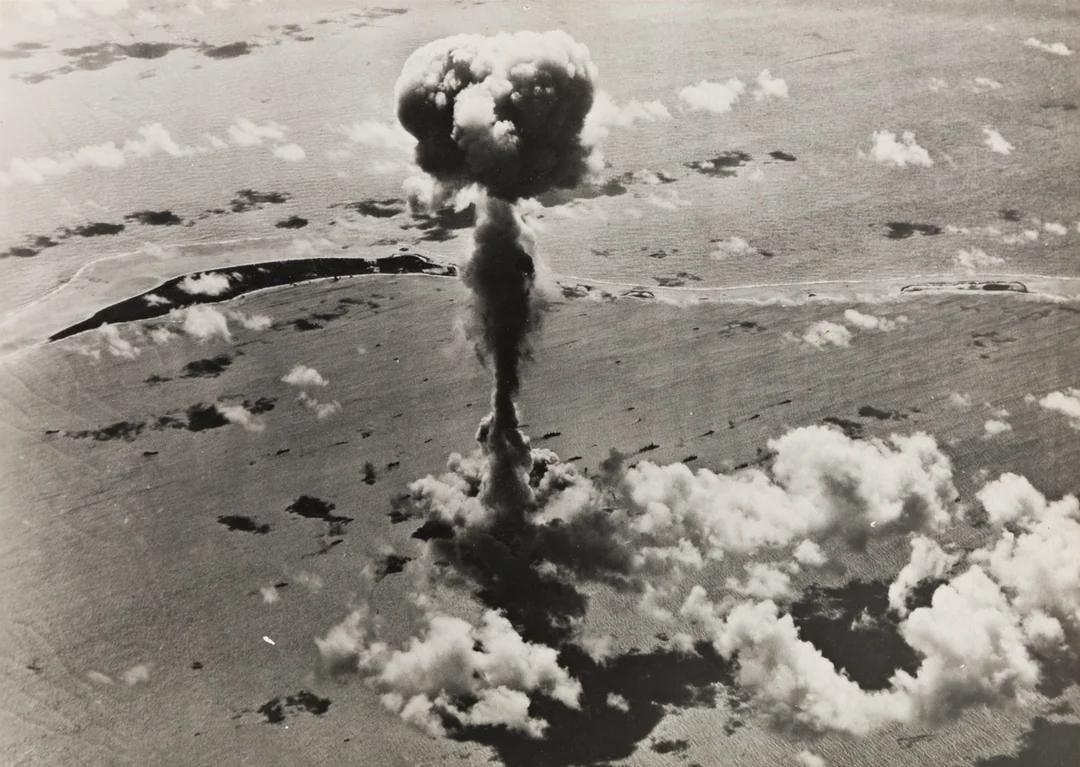
The same week the world watched atomic bomb tests at Bikini Atoll, a French designer borrowed the name for his daring new swimsuit.
The summer of 1946 was a pivotal moment in history, marked by a series of atomic bomb tests at Bikini Atoll that would change the world forever. But little did we know, amidst the chaos and destruction, a French designer was quietly working on a revolutionary new swimsuit that would soon take the fashion world by storm. The same week the world watched in awe as the atomic bombs detonated, Louis Réard, a French mechanical engineer turned fashion designer, borrowed the name “Bikini” for his daring new creation, and the rest, as they say, is history.
The Birth of the Bikini
On July 5, 1946, Louis Réard unveiled his new swimsuit design at a Paris fashion show, and it was an instant sensation. The bikini, as it came to be known, was a tiny, two-piece swimsuit that exposed the midriff and was considered scandalous at the time. Réard’s design was inspired by the women’s swimwear of the time, which was typically more modest and covered up. He wanted to create a swimsuit that was not only functional but also fashionable and liberating. The name “Bikini” was chosen to evoke the idea of a explosive and daring new fashion trend, much like the atomic bomb tests that were making headlines at the time.
A Cultural Phenomenon
The bikini quickly became a cultural phenomenon, with women around the world embracing the new fashion trend. The swimsuit’s popularity was fueled by the post-war era’s emphasis on freedom and liberation, as well as the rise of beach culture and the growing popularity of swimwear as a fashion statement. The bikini’s impact went beyond the fashion world, too – it played a significant role in shaping the way women thought about their bodies and their place in society. The bikini represented a newfound sense of confidence and independence, and it paved the way for future generations of women to express themselves through fashion.
A Lasting Legacy
Today, the bikini is a staple of summer fashion, with designers around the world creating their own versions of the iconic swimsuit. But the bikini’s legacy goes beyond the fashion world – it represents a moment in time when the world was changing rapidly, and people were looking for new ways to express themselves. The bikini’s story is a fascinating one, full of twists and turns that reflect the complex and often surprising nature of history. As we look back on the summer of 1946, we are reminded that even in the darkest of times, there is always room for creativity, innovation, and a little bit of daring fashion sense.
The story of the bikini is a testament to the power of fashion to shape our culture and our perceptions of ourselves. From its humble beginnings as a daring new swimsuit design to its current status as a fashion icon, the bikini has come a long way, and its impact will be felt for generations to come. As we continue to push the boundaries of fashion and challenge societal norms, we would do well to remember the pioneering spirit of Louis Réard and the women who first dared to wear the bikini, and to celebrate the enduring legacy of this tiny, two-piece swimsuit that changed the world forever.