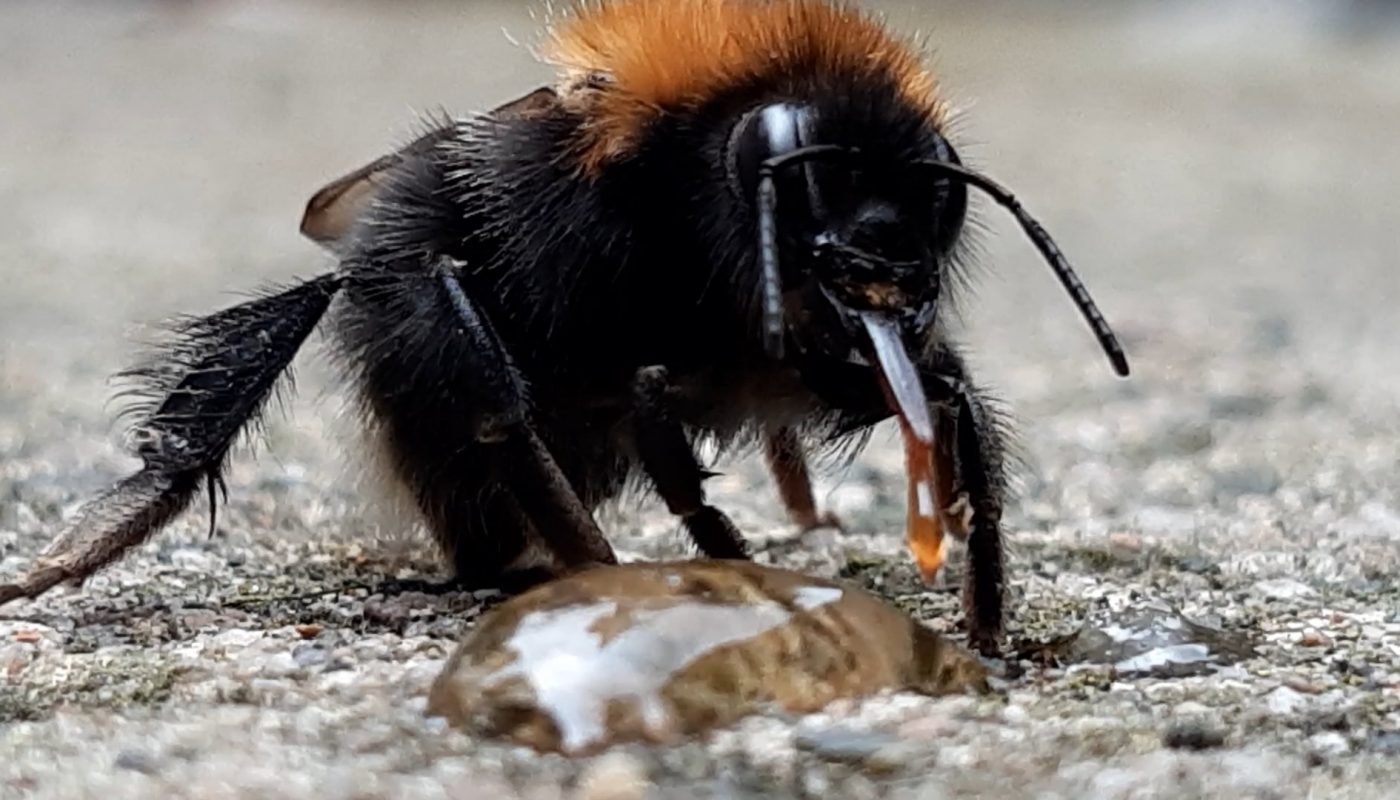
A Bee Eating Honey
Imagine a warm summer day, surrounded by vibrant flowers swaying gently in the breeze, and the sweet, soothing hum of bees as they flit from bloom to bloom. It’s a serene scene, but have you ever stopped to think about what happens when a bee returns to its hive, laden with nectar and pollen? One of the most fascinating moments in the life of a bee is when it gets to enjoy the fruits of its labor – literally. A bee eating honey is a moment of pure bliss, but it’s also a complex process that involves incredible teamwork, clever communication, and a deep understanding of the intricate social hierarchy within the hive.
The Honey Making Process
So, how do bees make this sweet, golden nectar that they love to eat? It all starts with the collection of nectar from flowers, which is then stored in the bee’s honey stomach. This special compartment is specifically designed for this purpose, and is separate from the bee’s regular stomach. Once the bee returns to the hive, it regurgitates the nectar and shares it with other bees in the hive. These bees then store the regurgitated nectar in cells within the honeycomb, which is made up of hexagonal wax cells. As the water content of the nectar is reduced through evaporation, the sugars become more concentrated, eventually forming honey. It’s a remarkable process that requires precision, patience, and a lot of hard work.
The Science of Honey Consumption
But what happens when a bee actually eats honey? It’s not just a matter of dipping into the honey pot and indulging in a sweet treat. Bees eat honey for energy, and it plays a crucial role in their survival, particularly during times of scarcity. The honey is consumed by regurgitating it from the honeycomb cells, and then eating it. This process is carefully regulated within the hive, with different bees taking on different roles. For example, nurse bees are responsible for feeding honey to the larvae, while forager bees use honey as a source of energy for their flights. It’s a complex system that is carefully balanced to ensure the survival of the hive.
The Social Significance of Honey
Beyond its importance as a source of energy, honey also plays a significant role in the social hierarchy of the hive. The production and consumption of honey is a collective effort, with different bees working together to create this precious resource. The queen bee, for example, is fed a special diet of royal jelly, which is made from honey and other nutrients. This diet helps to extend her lifespan and ensure her fertility, which is essential for the survival of the hive. The consumption of honey is also closely tied to the communication and cooperation within the hive, with bees using complex dances and pheromones to coordinate their activities and ensure the efficient production and distribution of honey.
As we watch a bee eating honey, we’re witnessing a moment of pure joy, but also a testament to the incredible complexity and social sophistication of these tiny creatures. The next time you drizzle honey into your tea or onto your toast, remember the incredible journey it took to get there, and the tiny, busy bees who worked tirelessly to create this sweet, golden nectar. It’s a truly fascinating world, and one that is full of wonder and awe – and a reminder of the beauty and complexity of the natural world, and the incredible creatures that inhabit it.