A Mino, the Traditional Straw Raincoat of East Asia — Nagoya, Japan
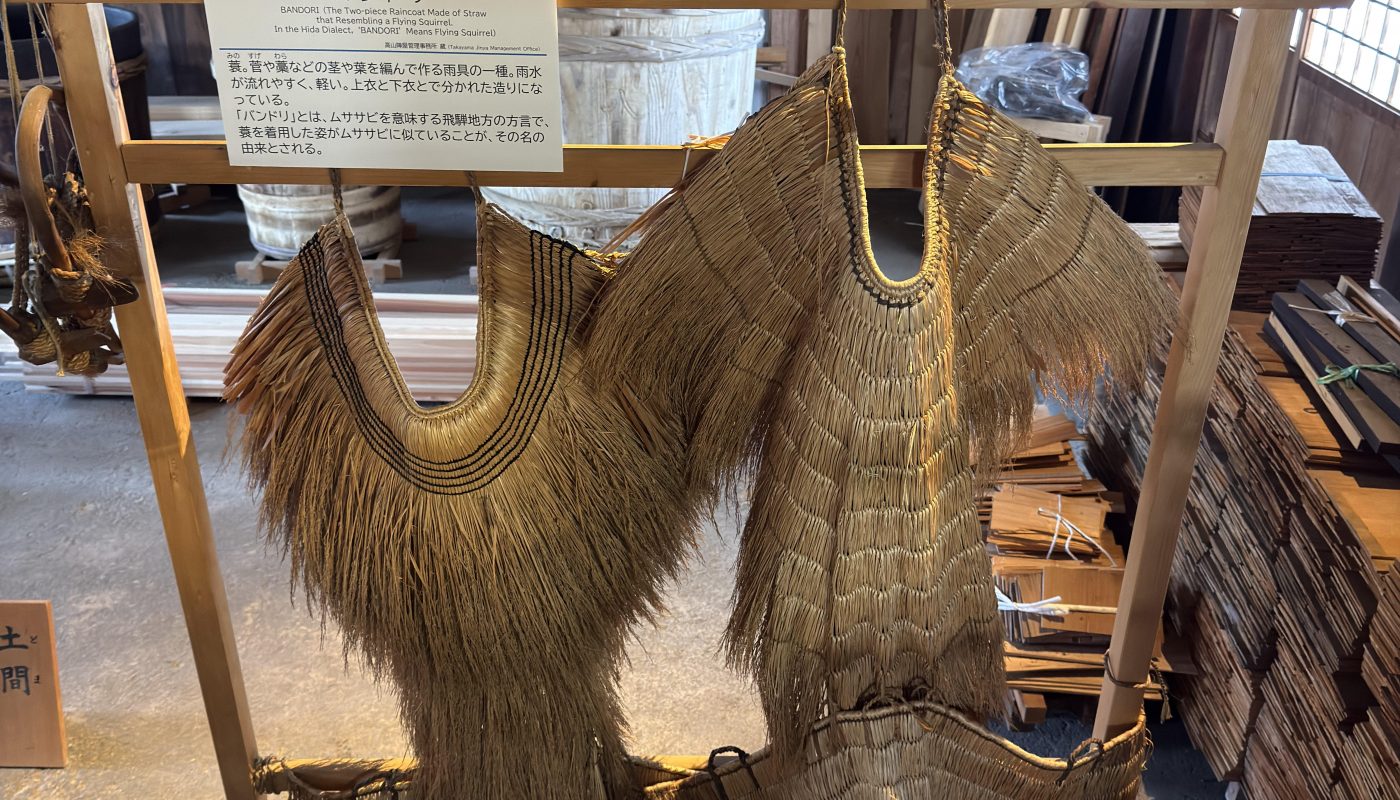
As I wandered through the streets of Nagoya, Japan, I stumbled upon a fascinating piece of traditional clothing that not only caught my eye but also sparked my curiosity – the Mino, a straw raincoat that has been a staple in East Asian cultures for centuries. Made from woven straw or bamboo, this unique garment has been used for generations to keep people dry in rainy weather, and its story is a testament to the resourcefulness and ingenuity of our ancestors. From its humble beginnings as a practical tool to its current status as a cultural icon, the Mino is a true marvel of traditional craftsmanship.
The History of the Mino
The Mino has a rich history that dates back to the Edo period in Japan, where it was used by farmers and travelers to protect themselves from the elements. The straw raincoat was made by weaving together long strands of straw or bamboo, which provided excellent waterproofing and insulation. The Mino was not only functional but also affordable, making it a staple in many rural households. As time passed, the Mino became an integral part of Japanese culture, with different regions developing their own unique designs and weaving techniques. Today, the Mino is still worn during traditional festivals and ceremonies, serving as a reminder of Japan’s rich cultural heritage.
The Science Behind the Mino
So, what makes the Mino so effective at keeping people dry? The answer lies in the unique properties of the straw or bamboo used to make it. The natural fibers are woven together in a way that creates a waterproof barrier, allowing water to run off the surface of the coat rather than penetrating it. Additionally, the straw or bamboo provides excellent insulation, keeping the wearer warm in cold weather and cool in warm weather. The Mino is also incredibly lightweight and breathable, making it a comfortable choice for people of all ages. Whether you’re a farmer working in the fields or a traveler exploring the city, the Mino is a reliable and practical choice for any occasion.
Preserving a Cultural Tradition
Despite the rise of modern waterproof materials, the Mino remains a beloved cultural icon in Japan and other East Asian countries. Efforts are being made to preserve the traditional craftsmanship and techniques used to make the Mino, with many artisans and designers working to create modern versions of the raincoat that still honor its heritage. From fashion designers incorporating Mino-inspired elements into their collections to artisans teaching traditional weaving techniques to a new generation, the Mino is experiencing a resurgence in popularity. As I continued to explore Nagoya, I couldn’t help but feel a sense of admiration for this humble yet remarkable piece of traditional clothing, and I look forward to seeing how it will continue to evolve and thrive in the years to come.
As I reflect on my encounter with the Mino, I am reminded of the importance of preserving our cultural heritage and the ingenuity of our ancestors. The Mino is more than just a piece of clothing – it’s a symbol of tradition, community, and resourcefulness. Whether you’re interested in history, culture, or simply unique and practical clothing, the Mino is definitely worth learning more about. With its rich history, scientific ingenuity, and cultural significance, the Mino is a true treasure of East Asian tradition, and I feel grateful to have had the opportunity to experience it firsthand.