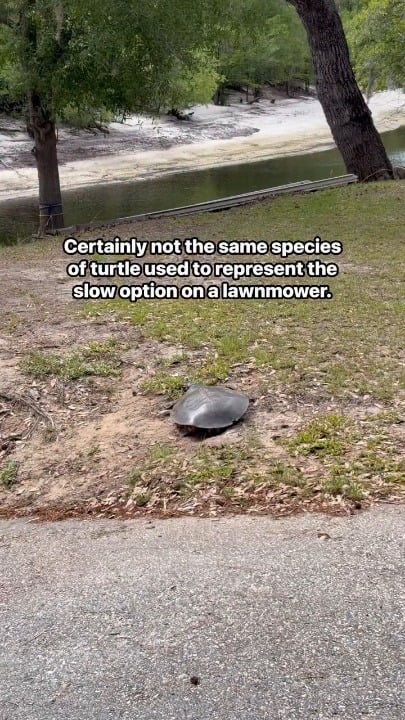
A soft shell turtle runs to the water
As I stood by the riverbank, I witnessed a sight that left me utterly mesmerized – a soft shell turtle making a frantic dash for the water. Its little legs moved at an incredible pace, and before I could even process what was happening, it had slipped into the river and disappeared beneath the surface. It was as if the turtle had been waiting for this moment its entire life, and I couldn’t help but wonder what drove it to make such a hurried escape. What was it about the water that made it so alluring to this tiny creature, and what secrets lay hidden beneath the surface that made it so eager to return?
The Ancient Lineage of Soft Shell Turtles
Soft shell turtles have been on our planet for over 200 million years, with fossil records showing that they existed even during the time of the dinosaurs. These incredible creatures have survived through the ages, adapting to their environments and evolving into the 25 species we see today. One of the most fascinating things about soft shell turtles is their unique shell, which is made of a soft, pliable material that allows them to move and flex with ease. This shell is made up of bony plates called scutes, which are covered in a thick layer of skin and other tissues. Despite their soft shells, these turtles are incredibly resilient and can withstand a significant amount of pressure and stress.
The Science Behind the Turtle’s Rush to the Water
So, what drives a soft shell turtle to make such a frantic dash for the water? The answer lies in their biology and behavior. Soft shell turtles are semi-aquatic, meaning they spend a significant amount of time on land, but they are also excellent swimmers and need to be in the water to survive. They are attracted to the water because it provides them with a source of food, shelter, and protection from predators. When a turtle is on land, it is vulnerable to predators and dehydration, so it needs to get back to the water as quickly as possible to survive. Additionally, the water helps to regulate the turtle’s body temperature, which is essential for its metabolism and overall health.
Conservation Efforts and the Future of Soft Shell Turtles
Unfortunately, soft shell turtles are facing numerous threats in the wild, including habitat loss, pollution, and hunting. Many species of soft shell turtles are endangered, and conservation efforts are necessary to protect these incredible creatures. By studying the behavior and biology of soft shell turtles, scientists can gain a better understanding of their needs and develop effective conservation strategies. This can include protecting their habitats, reducing pollution, and educating people about the importance of preserving these amazing animals. As I watched the turtle disappear into the river, I couldn’t help but feel a sense of awe and respect for these incredible creatures, and I hope that by sharing their story, I can inspire others to join the effort to protect and conserve them.
As I stood there, gazing out at the river, I felt grateful to have witnessed the turtle’s incredible journey. It was a reminder that even in the most unexpected moments, we can discover something truly remarkable. The soft shell turtle’s rush to the water was more than just a fleeting glimpse of wildlife – it was a window into a fascinating world of science, history, and conservation. And as I walked away from the riverbank, I couldn’t help but feel a sense of wonder and curiosity about the natural world, and the incredible creatures that call it home.