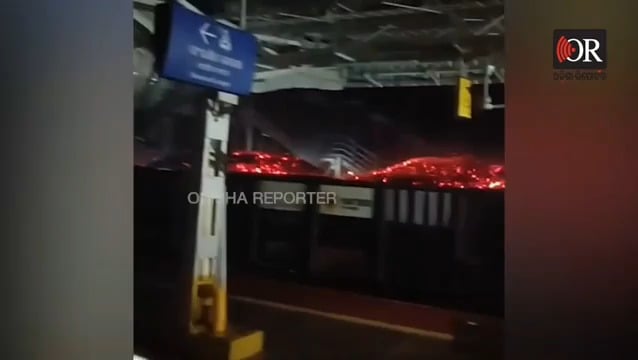
Coal catching fire while being transported on a goods train.
Imagine being on a train, watching the countryside roll by, when suddenly you notice a plume of smoke rising from one of the cars. At first, you might think it’s just the engine, but as the smoke grows thicker and darker, you realize something is terribly wrong. This is exactly what happened on a goods train not so long ago, when a load of coal caught fire while being transported to a power plant. The incident raised a lot of questions – how does coal catch fire in the first place, and what are the risks of transporting such a volatile material?
The Science of Spontaneous Combustion
Coal, like many other carbon-based materials, is prone to spontaneous combustion. This means that it can catch fire without any external heat source, simply by reacting with oxygen in the air. This process is called oxidation, and it can happen when coal is exposed to air, especially if it’s been crushed or powdered. The smaller the coal particles, the more surface area they have, and the faster they can react with oxygen. As the coal oxidizes, it releases heat, which can build up and eventually ignite the coal. It’s a bit like a slow-burning fire that can smolder for hours or even days before suddenly flaring up.
Risks and Consequences
When coal catches fire on a train, the consequences can be severe. Not only is there a risk of the fire spreading to other cars or even the engine, but the smoke and toxic fumes can also pose a hazard to people living nearby. In addition, the loss of the coal cargo can be significant, not to mention the damage to the train itself. The incident highlights the importance of proper safety protocols when transporting coal and other hazardous materials. This includes ensuring that the coal is stored and handled properly, and that the train is equipped with fire suppression systems and other safety measures.
Prevention and Safety Measures
So, how can we prevent coal from catching fire on trains in the future? One key step is to monitor the coal’s temperature and moisture levels closely, as these can be indicators of oxidation and potential combustion. Train operators can also use specialized equipment, such as thermal imaging cameras, to detect hot spots and potential fires. Additionally, coal can be treated with fire retardants or other chemicals to reduce the risk of spontaneous combustion. By taking these precautions, we can minimize the risks associated with transporting coal and other hazardous materials, and ensure that our trains and communities remain safe.
As the investigation into the coal fire on the goods train continues, it’s a reminder of the importance of safety and vigilance when it comes to transporting hazardous materials. While the incident was certainly alarming, it’s also a fascinating glimpse into the science and complexities of coal combustion. By understanding how coal can catch fire, and taking steps to prevent it, we can reduce the risks and ensure that our trains and communities remain safe and secure.