Source: Power Hot Ball
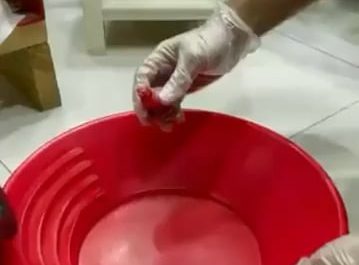
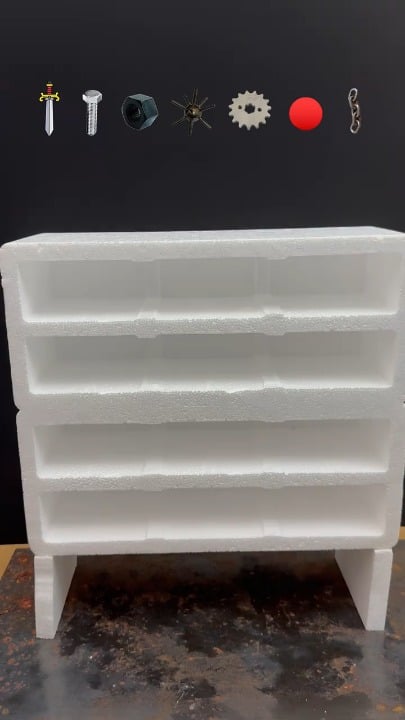
Have you ever stumbled upon a video that’s so mesmerizing, you can’t help but watch it over and over again? For me, that video is the one where red hot metal shapes are dropped through a polystyrene foam shelf. It’s like a beautifully choreographed dance, with the metal shapes sinking slowly into the foam, leaving behind a trail of melted goodness. But what makes this phenomenon so fascinating? Let’s dive deeper into the world of thermodynamics and materials science to find out.
The Science Behind the Sizzle
The reason why the red hot metal shapes can melt through the polystyrene foam so effortlessly is due to the huge temperature difference between the two materials. When the metal shapes are heated to a high temperature, they become incredibly energetic, with their molecules moving rapidly and transferring heat to their surroundings. The polystyrene foam, on the other hand, has a relatively low melting point, which makes it prone to deformation and melting when exposed to high temperatures. As the metal shapes sink into the foam, they transfer their heat energy to the surrounding material, causing it to melt and change shape.
A Brief History of Polystyrene Foam
Polystyrene foam has been around for decades, and its discovery is a fascinating story. The material was first developed in the 1940s by a scientist named Ray McIntire, who was working for the Dow Chemical Company. McIntire discovered that by injecting air into a mixture of polystyrene and a blowing agent, he could create a lightweight, yet rigid material that was perfect for packaging and insulation. Today, polystyrene foam is used in a wide range of applications, from disposable cups and containers to building insulation and craft materials. Its unique properties make it an ideal material for many uses, but also raise important questions about its environmental impact and sustainability.
Art and Education
The videos of red hot metal shapes being dropped through polystyrene foam shelves are not only mesmerizing, but also educational. They provide a unique visual representation of complex scientific concepts, such as thermodynamics and materials science. By watching these videos, we can gain a deeper understanding of the properties of different materials and how they interact with each other. Additionally, the artistic aspect of these videos should not be overlooked. The slow-motion footage and carefully choreographed sequences create a sense of beauty and wonder, making science feel more accessible and engaging. Whether you’re a science enthusiast or just someone who appreciates the beauty of melting plastic, these videos are sure to captivate and inspire.
As I finish writing this article, I find myself wanting to watch those videos again, mesmerized by the slow-motion footage of red hot metal shapes sinking into the polystyrene foam. There’s something undeniably captivating about this phenomenon, a combination of science, art, and curiosity that draws us in and refuses to let go. So the next time you stumble upon one of these videos, remember that there’s more to it than just a pretty visual effect – there’s a whole world of science and history waiting to be explored.